
Wild bird seed crops are an incredibly valuable tool for improving farmland biodiversity. At their simplest, they provide a dedicated source of seed and cover for farmland birds through the difficult winter months, but a well-designed crop can do considerably more than that.
The best mixes are designed to provide food, shelter and insects at different times of the year, creating a habitat that benefits an enormous range of farmland birds and wildlife.
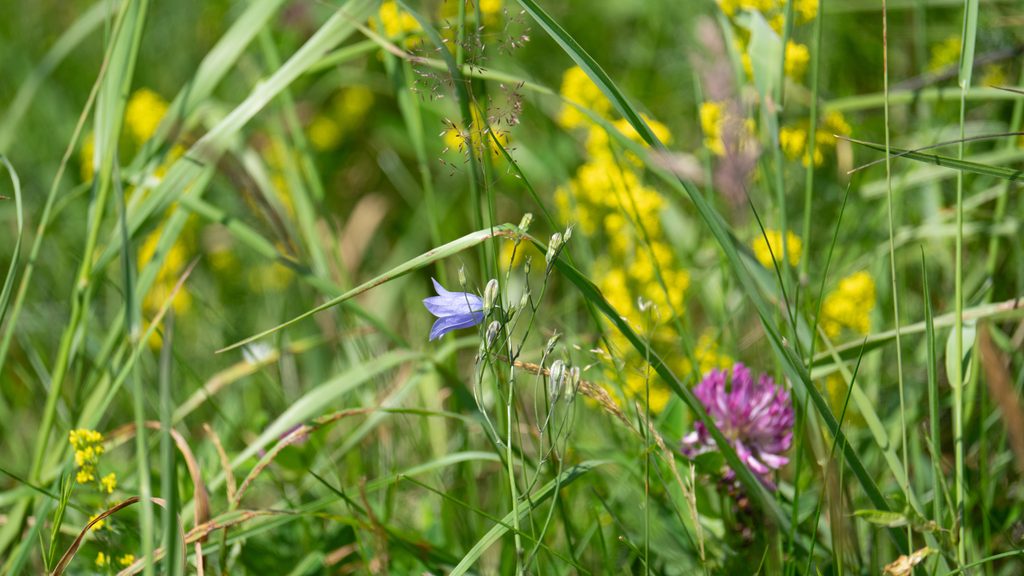
Food through the winter
Modern farming systems leave considerably less spilled grain, weed seed and crop residue in fields than traditional farming systems. Wild bird seed crops help replace some of this lost food supply by deliberately growing plants for birds.
Cereals such as triticale, together with seed-producing plants such as linseed and other small-seeded species, can provide valuable winter food for a wide range of farmland birds. Also simply leaving the so-called weeds to do their thing can produce excellent results for birds.
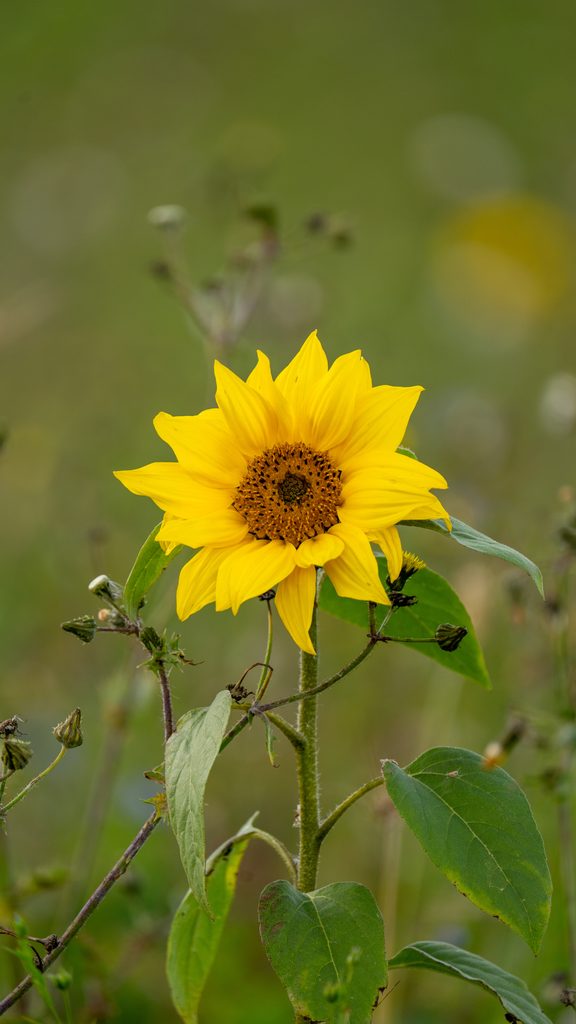
This is particularly important for the smaller seed-eating birds. Yellowhammers, linnets, goldfinches, greenfinches, tree sparrows, bramblings, chaffinch, reed buntings, can all make use of seed-rich habitats, but they do not necessarily all use them in the same way.
A yellowhammer, for example, is particularly associated with cereal seeds and can spend much of the winter exploiting seed-rich areas around the edges of fields. Linnets favour the small seeds of many broad-leaved plants, while goldfinches are well known for their ability to exploit tiny seeds from plants such as Thistles, Knapweed, and other composite flowers.
So clearly diversity is important. A crop containing several different seed-producing plants is effectively providing a wider menu throughout the winter, therefore delivering benefit to a wider range of species, compared against one particular seed source.
For small farmland birds, the value of these crops can also extend beyond the food itself.
At the same time, it provides them shelter from weather and predators and offers somewhere to feed without having to venture far into exposed open fields, it also cuts the time they have to spend foraging for their required daily intake, which in turn reduces their susceptibility to predation
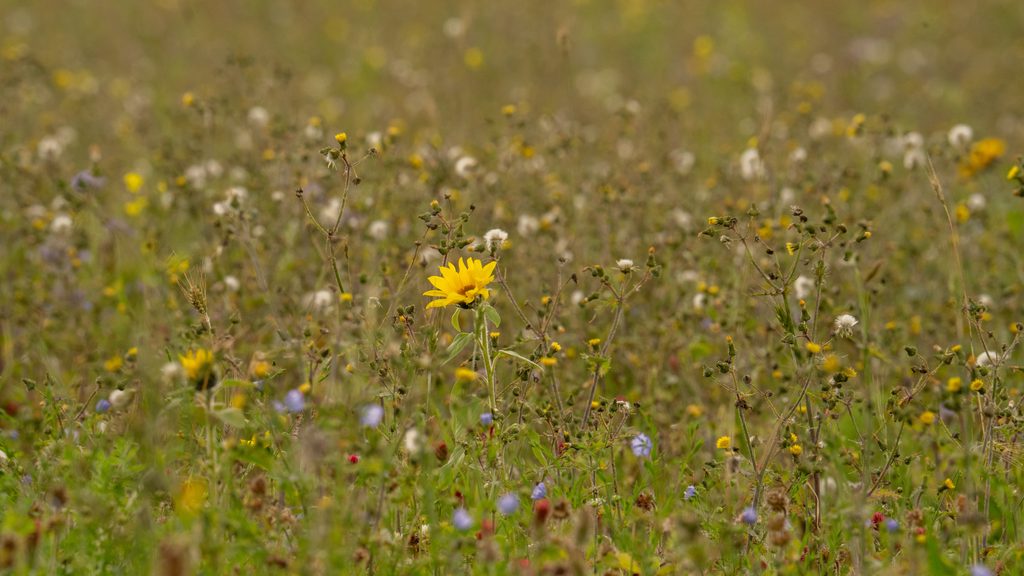
Why small birds need this habitat
Many of our familiar farmland birds have become increasingly dependent on finding food in relatively small pockets of suitable habitat.
A wild bird seed crop can therefore act as a winter larder within the wider farmed landscape and providing a habitat that changes with the seasons means the same area can support birds at different stages of their life cycle.
This is particularly important for the likes of our yellowhammers, linnets and tree sparrows amongst others, which rely on insects and other invertebrates to feed their young during the breeding season, before switching increasingly to seeds and cereal grains through autumn and winter.
They are all small birds with high energy demands, and a reliable source of accessible seed can be particularly valuable during periods of cold weather when other natural food is scarce or hard come by.
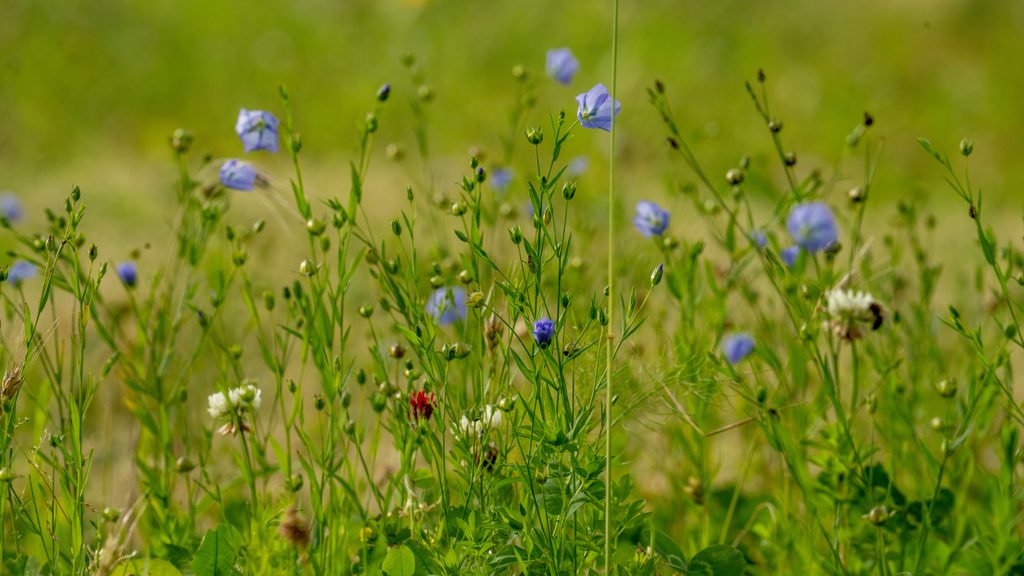
The hidden benefit – insects
Equally as valuable in a wild bird seed crop is what happens between the plants.
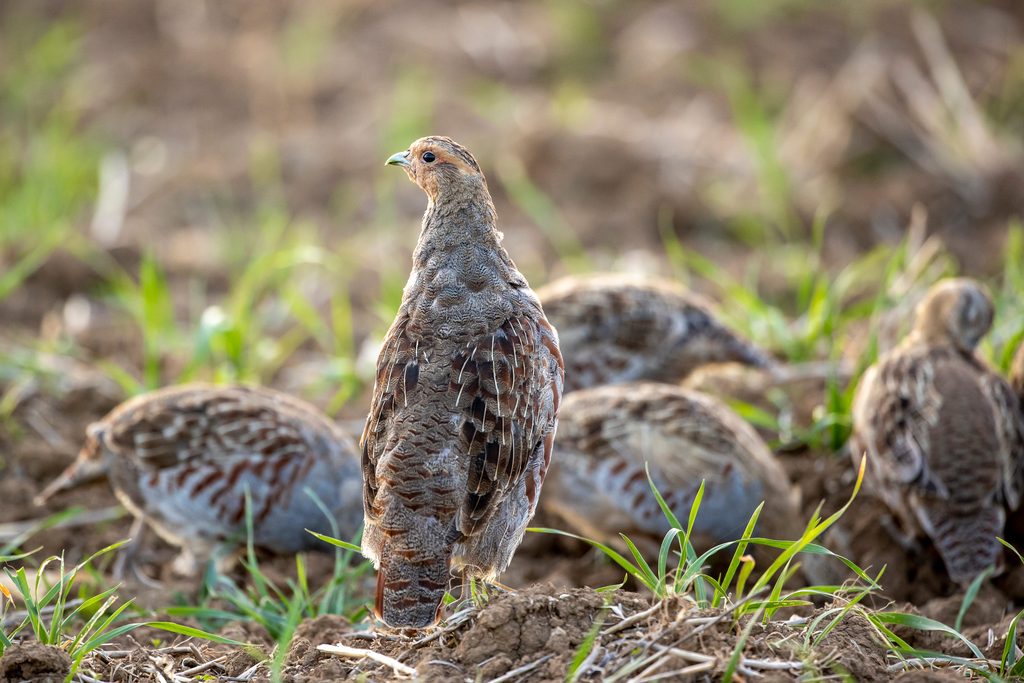
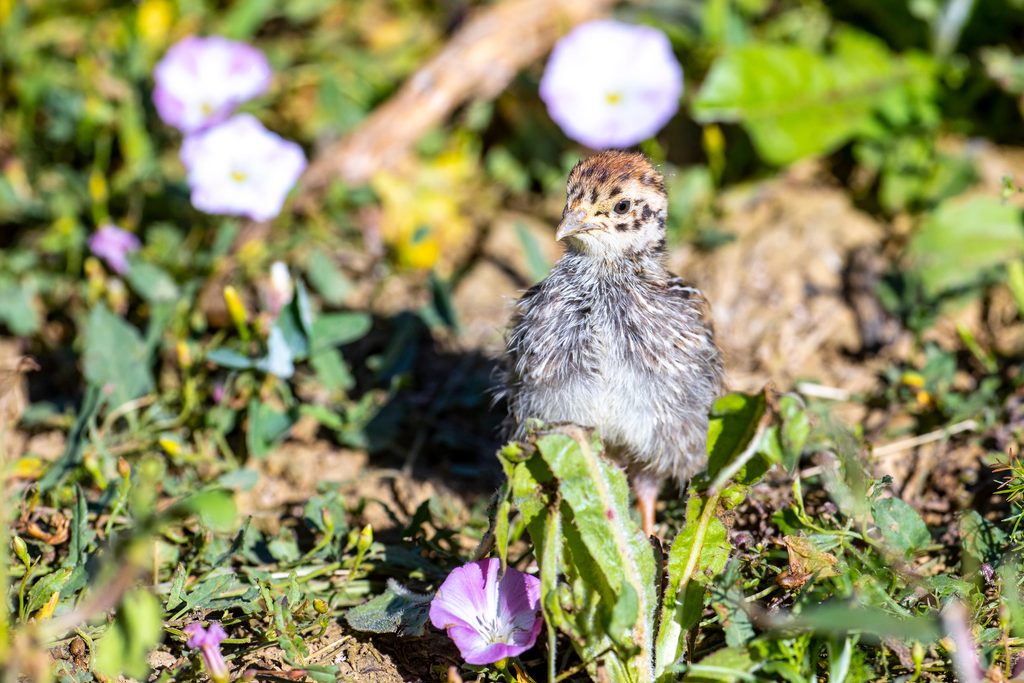
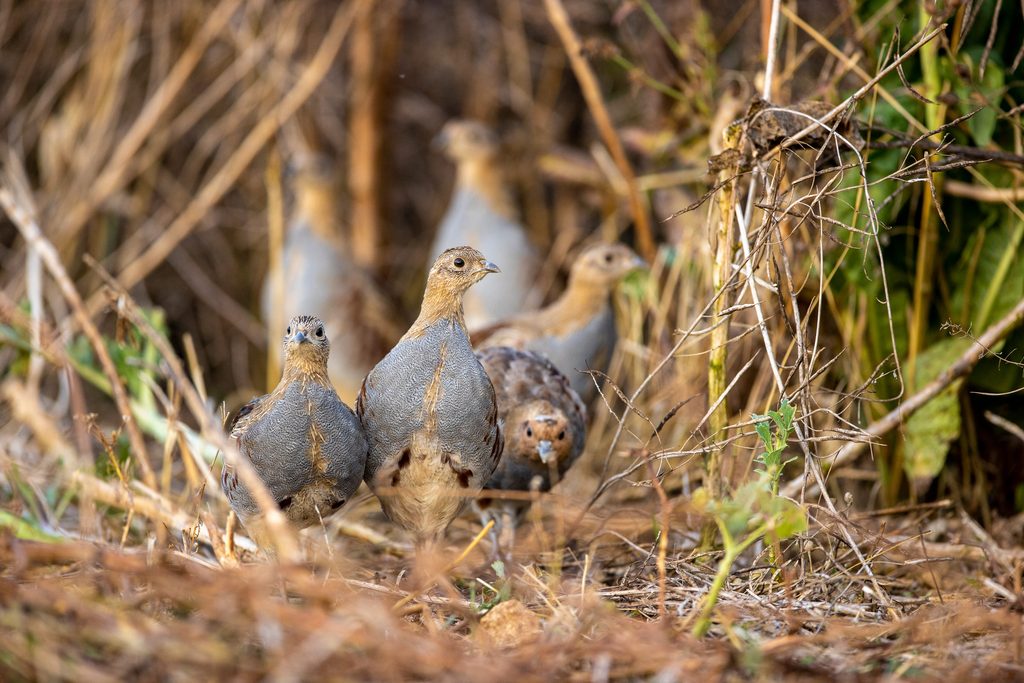
Grey partridge chicks depend heavily on insects during their first few weeks of life. They need an abundance of small, protein-rich invertebrates such as beetles, caterpillars, sawfly larvae and plant bugs.
This means that to deliver maximum benefits, a good wild bird seed crop should not simply be a dense stand of cereal. It should contain a range of broad-leaved plants that are favoured by insects, and crucially, have enough open structure at ground level for small chicks to move through the vegetation and find those insects. We know from GWCT research that the insect value of wild bird seed mixes can vary considerably depending on the species used and how the crop is managed.
The flowering plants can also provide nectar and pollen for bees, hoverflies, butterflies and other pollinating insects, while the plants themselves support herbivorous insects and the predators that feed on them
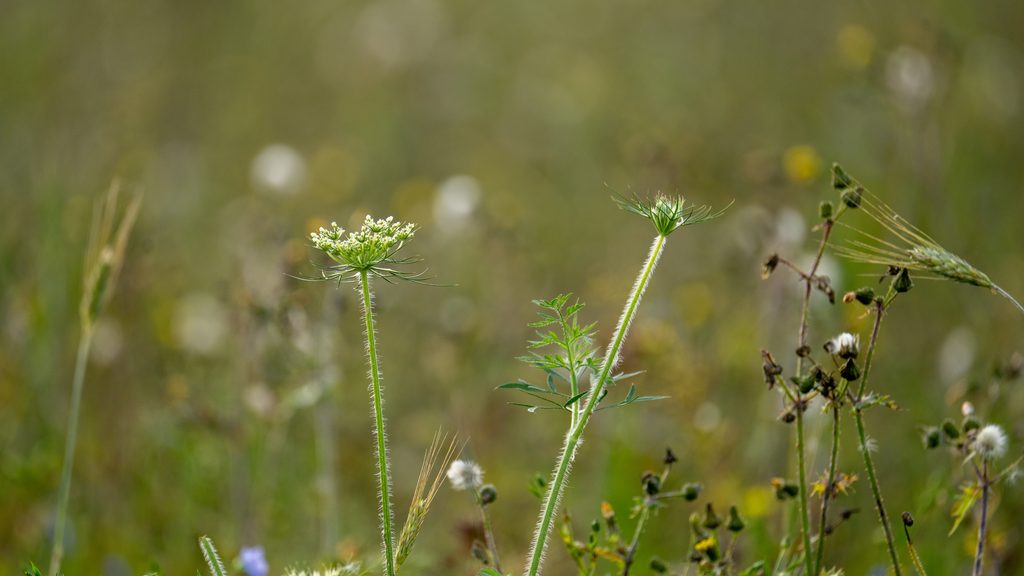
Grey partridge mixes
A couple of particularly interesting examples are the Balgonie grey partridge mix, developed through GWCT’s grey partridge research, and Oakbanks GWCT Advanced Partridge mix, both of which we grow here.
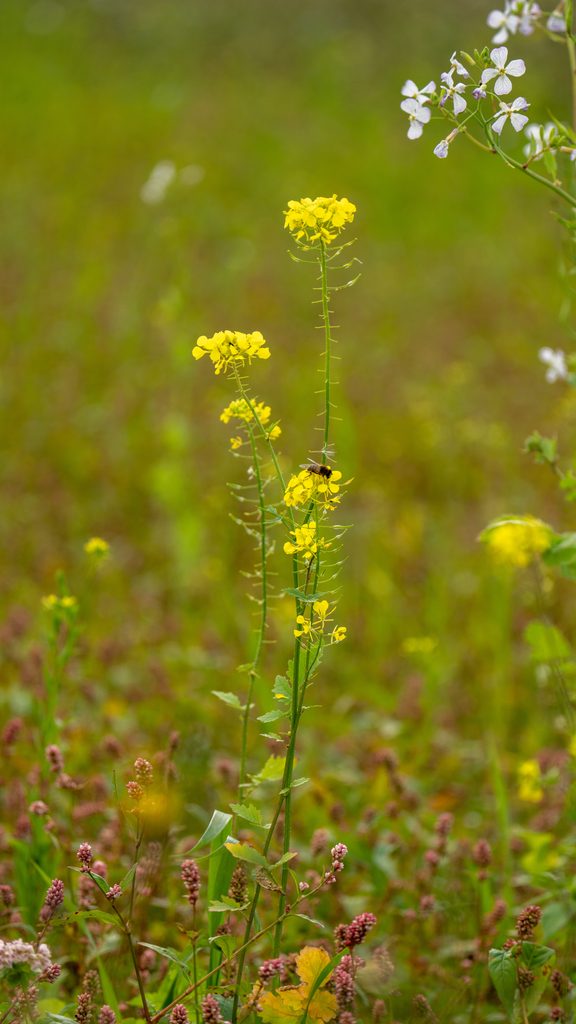
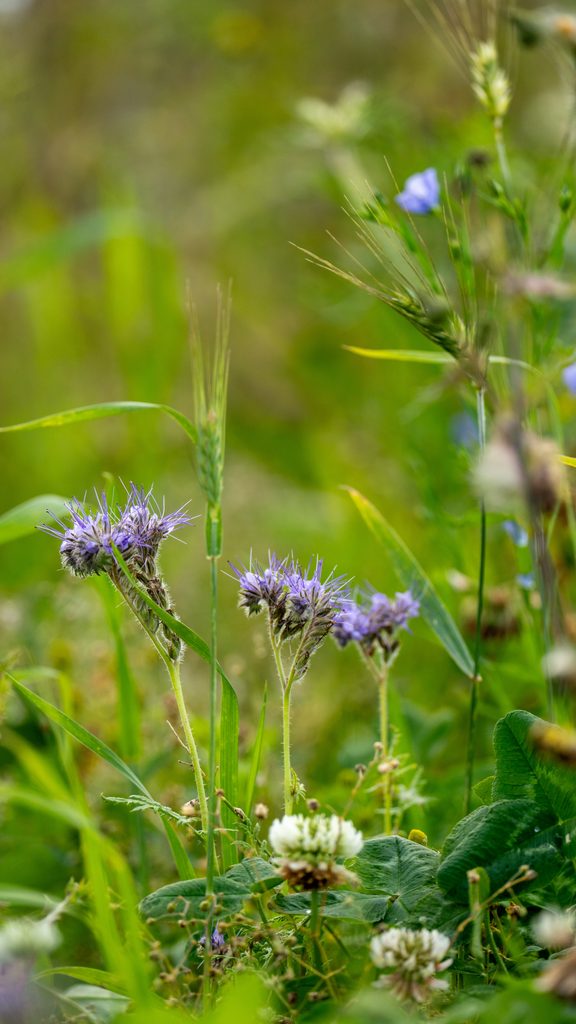
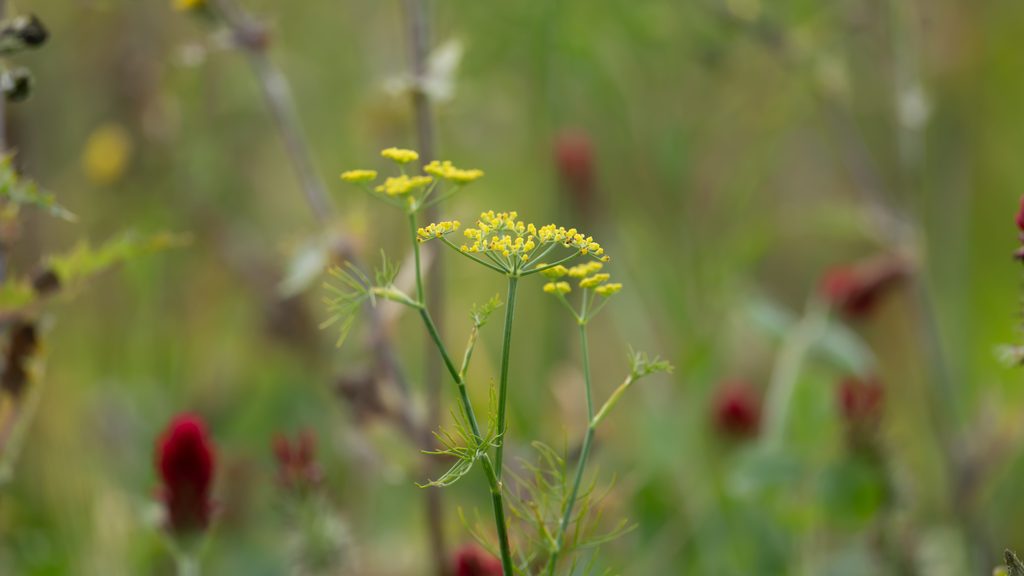
The mixes contain a combination of annual and perennial plants, including black knapweed, brown mustard, chicory, kale, fodder radish, gold of pleasure, linseed, perennial rye, phacelia, red clover, sweet clover, sweet fennel, triticale, oxeye daisy and wild carrot.
The important thing is not simply the number of species. It is the range of resources they provide.
Triticale, linseed and other seed-producing plants contribute food; kale and taller plants provide winter structure and shelter; while species such as knapweed, oxeye daisy, phacelia, clovers, wild carrot, chicory and sweet fennel provide flowers and habitat for insects.
That combination makes the crop useful to both birds that eat the seed directly and birds further up the food chain that depend on the insects living amongst the vegetation.
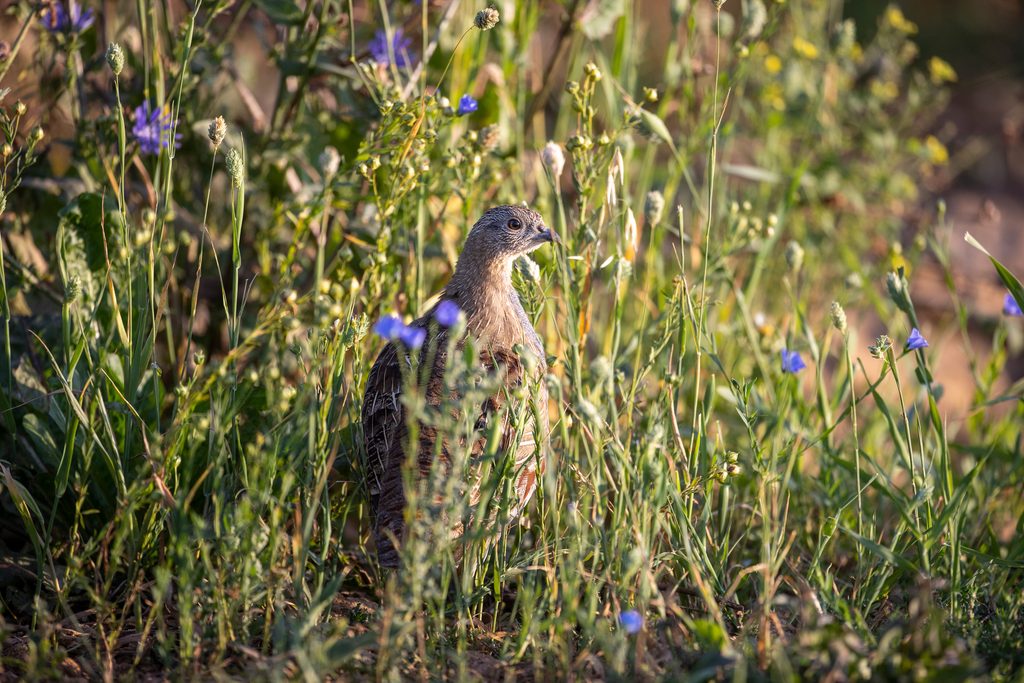
A habitat rather than simply a crop
Perhaps the best way of looking at wild bird seed crops is not simply as bird food, but as extra habitat that really delivers.
They should not be thought of simply as somewhere to grow a few tonnes of seed, they should be deliberately created wildlife habitats.
The key is diversity and structure. Different plants flower, seed and develop at different times, and their careful management can create areas of taller cover alongside more open ground.
A good wild bird seed crop therefore has the potential to become one of the most productive areas of wildlife habitat on a farm — providing something useful for wildlife in every season, rather than delivering a single benefit at one point in the year.
Supporting wild bird seed crops through agri-environment schemes
The expansion of wild bird seed crops across farmland has been helped enormously by agri-environment schemes, which compensate farmers for taking productive land out of normal cropping and managing it specifically for wildlife. Here in Scotland, options within the Agri-Environment Climate Scheme (AECS) have provided a mechanism for farmers to establish and maintain habitats like wild bird seed crops, margins, wetlands, and other biodiversity measures.
In England, the equivalent environmental funding is delivered through the Sustainable Farming Incentive (SFI). Under the current SFI26 offer, the Winter bird food on arable and horticultural land action pays £648 per hectare per year for three years. Farmers must establish a suitable mix containing at least six small seed-bearing plants, with the crop maintained to provide seed from late autumn through to late winter
These payments are important because wild bird seed crops occupy land that could otherwise be producing a commercial crop. The financial support helps bridge the gap, making it much more practical and appealing for farmers to dedicate areas of their farms to wildlife, and in many ways these schemes help de risk a farming enterprise to some degree.
As I’ve already outlined, the value of these crops extends well beyond feeding birds in winter, the same area can provide flowers and insects in summer, nesting cover for birds, and habitat for a wide range of invertebrates. In this way, agri-environment schemes have helped move wild bird seed crops from being a relatively specialist conservation measure, towards becoming a practical part of whole-farm biodiversity management.
I would strongly encourage any who can do so to get stuck in to creating a wild bird seed plot, there’s little more rewarding than seeing plants you’ve sown poking through the brown earth in spring, watching them grow, until eventually they create a sea of colour in summer, and then attract and feed any amount of beautiful farmland birds all winter. Go on, get stuck in.
By Josh Burton.
Subscribe Today
Join us on our Substack journey to educate, share and explore the countryside, its communities, wildlife and heritage.