
Lots of us have a dog that we love to bits, we get a great deal of pleasure from these canines that have been part of our lives for thousands of years, some trained, some not so well trained. It all started with friendly wolves hanging about human encampments and now they are our best friends often sharing our beds!
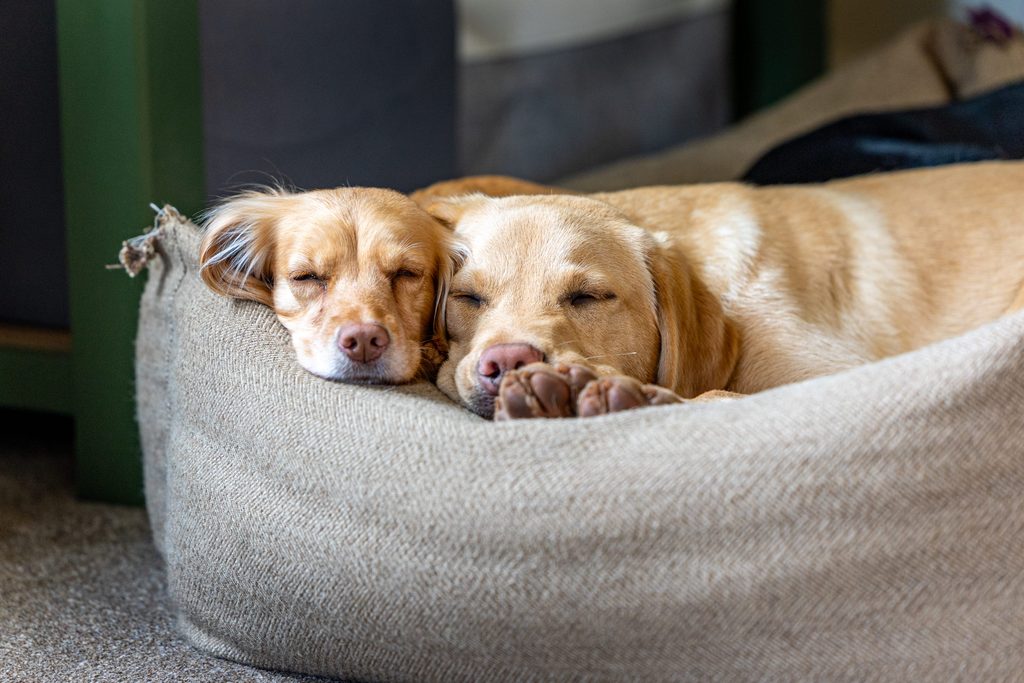
What we must remember is that they still retain the senses and the attributes of their ancestors. Dogs sense of smell is up to 100,000 times better than ours and they can hear four times farther away than humans. They can also hear higher pitched sound and can pinpoint where the sound is coming from. Hunting, chasing, killing etc is in their DNA, it is what they are programmed to do, despite how much love, food or pampering we give them. Training can curtail or enhance these characteristics, but they remain part of the animal’s behaviour, from a chihuahua to a great Dane.
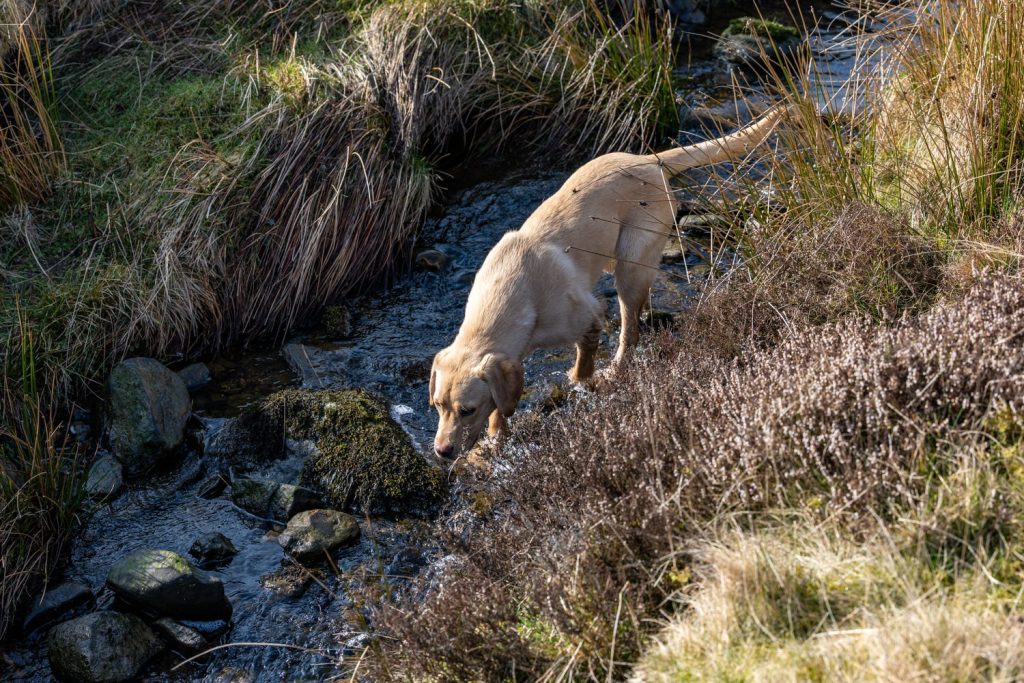
Dogs need exercise and so do we, so put the two things together and we get the enjoyable pastime of taking the dog for a walk, it may be a park, a country lane, fields, moorland, along a riverbank, a beach or just around our local roads. If there is traffic about, most of us keep our dogs on a lead for their own safety. Often, when we reach what we consider a safe space for the dog we let them of the lead and off they go.
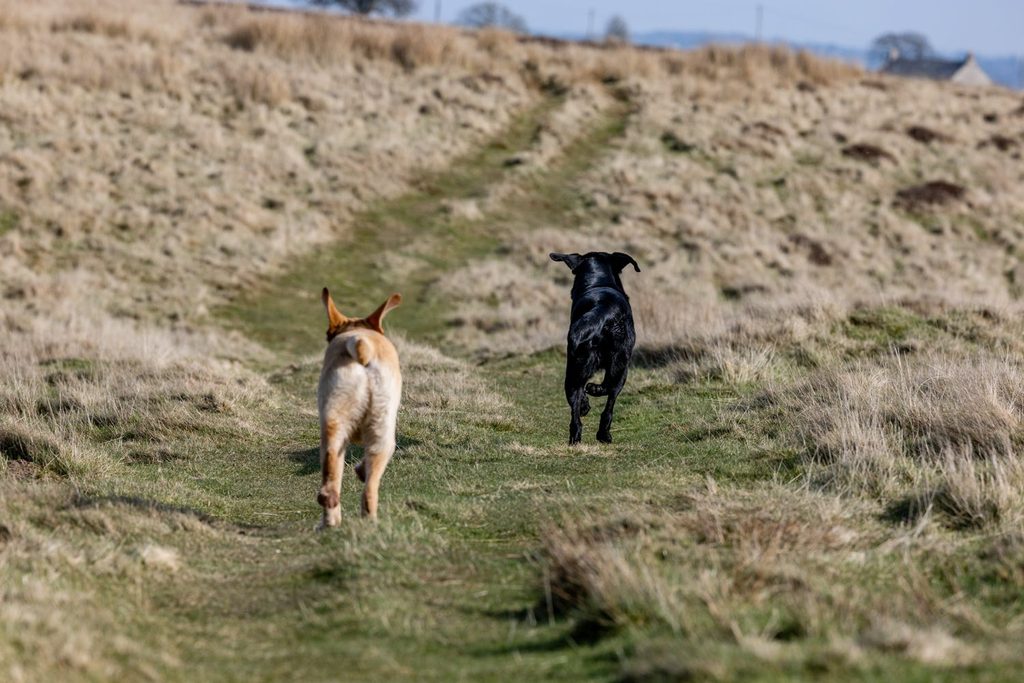
We are a nation of dog lovers and a nation of nature lovers but sometimes these two passions are in conflict. It is a human conflict; the dog is doing what comes naturally but at a what cost to nature?
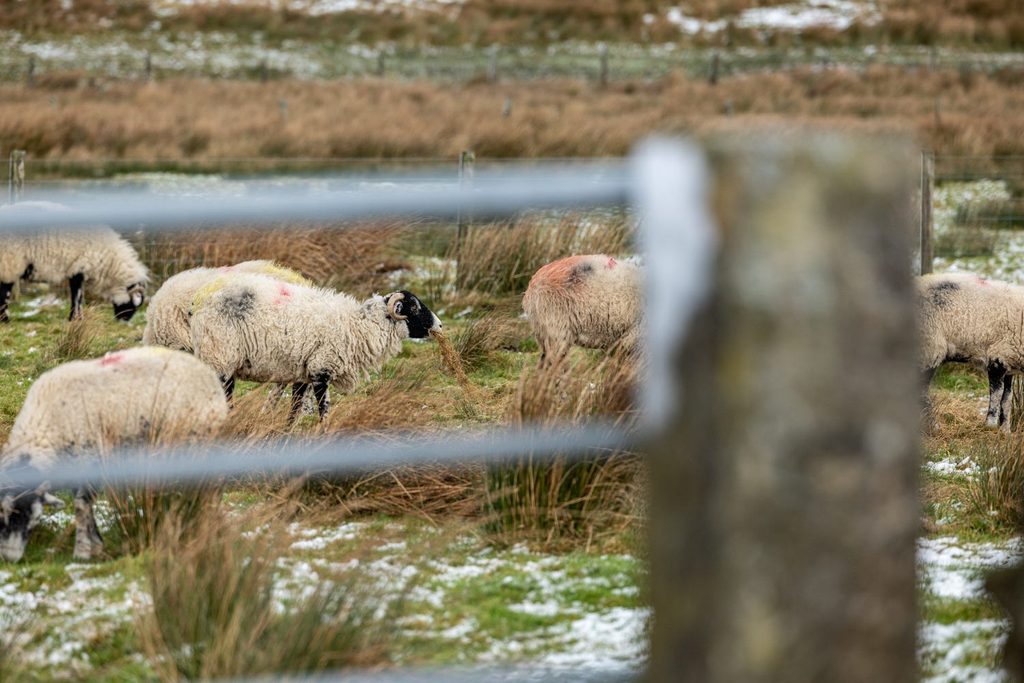
There has been changes in the law recently about dogs worrying livestock and the effects it has on the farming community, which is serious and can be quantified. The impact of free running dogs on Nature is also very serious but is more difficult to quantify as its consequences often go unseen.
Spring and Summer are a hive of industry when nature is hard at work making the next generation of flora and fauna so the whole thing, the nature we so love, carries on. It is getting harder for it to work, through many factors. Climate change, intensive agriculture, urban spread, increased predation, the list goes on. Most of these things are beyond what we can affect personally, but there are simple things that we can do as individuals on masse that can make a real difference.
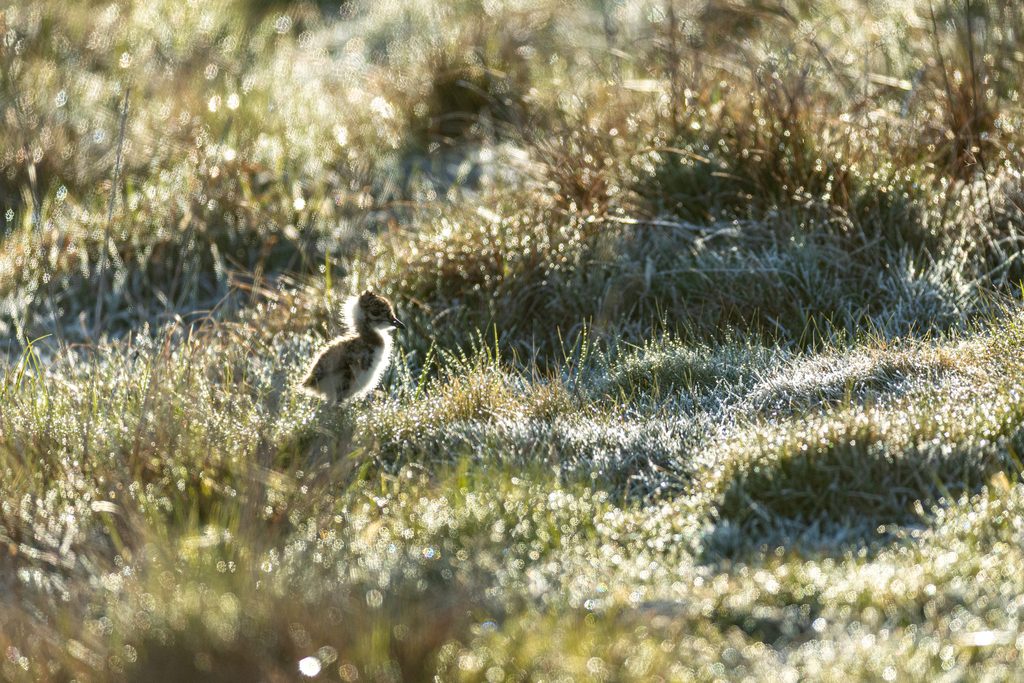
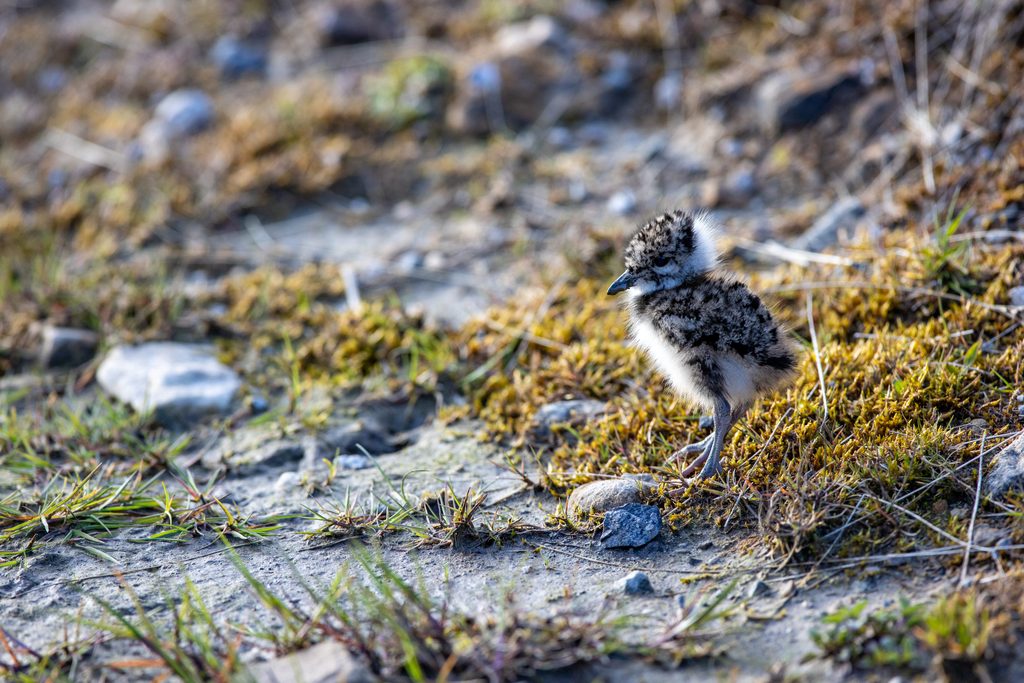
From insects to our largest mammal the red deer, they all like a quiet life, free from disturbance especially when they are breeding. It is a critical time, just one chance in twelve months to reproduce. Many birds nest on the ground, from tiny warblers that have flown thousands of miles to nest in grassland, to curlews on heather-clad uplands, their eggs and chicks can be devoured in seconds and sometimes, some birds (the Mums) that are brave enough to sit tight can be killed too. That is the extreme, but disturbance is more subtle, if the adults are kept away from the eggs and chicks, they will chill in cold wet weather. It may give predators an opportunity for an easy meal or affect the critical food supply. Tree nesting birds can also be affected when they have nearly fledged. Many chicks like the blackbird have a period when they are on the ground dependant on their parents still feeding them. At this time any bird that can flutter rather than fly gets separated from the rest of the brood and becomes lost. This becomes worse in windy weather when the wind will scatter the whole brood which is split up. They cannot feed themselves and the parents cannot gather them up which means all that pair of birds investment in time and energy is lost.


Leverets (baby hares) and deer fawns are also very vulnerable as they are dropped in a grass form (depression or hollow). Both are left alone for long periods with the adults only returning to suckle them and any signs of disturbance can lead to them being abandoned.
Disturbance at any time of the year can have consequences for all creatures. Over wintering hedgehogs can be affected, many birds over winter by water, some gather to migrate and some stay put but every time a bird flies it uses a lot of precious energy, energy that is gleaned by feeding. If they cannot feed, they are weaker and become more vulnerable to the cold and predation or may not have the condition to make it to their overwintering ground.
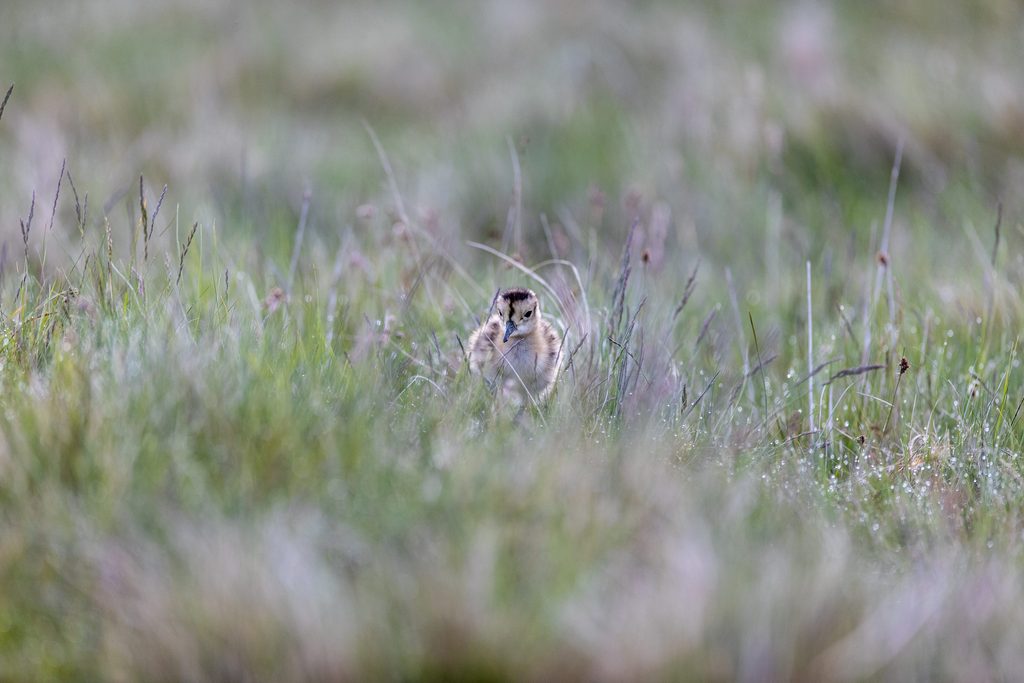
Most Animals will cope with some disturbance as it is part of nature and so is predation but what nature is not prepared for is continual disturbance events as we have more dogs and greater access. A skylark sits on its eggs for up to two weeks, then another two weeks before fledging, a curlew sits on their eggs for about a month, and this illustrates the length of time that they are susceptible to disturbance by dogs. Then the chicks march about all over the place with gay abandon ignoring their parents and are consequently at risk for weeks after hatching.
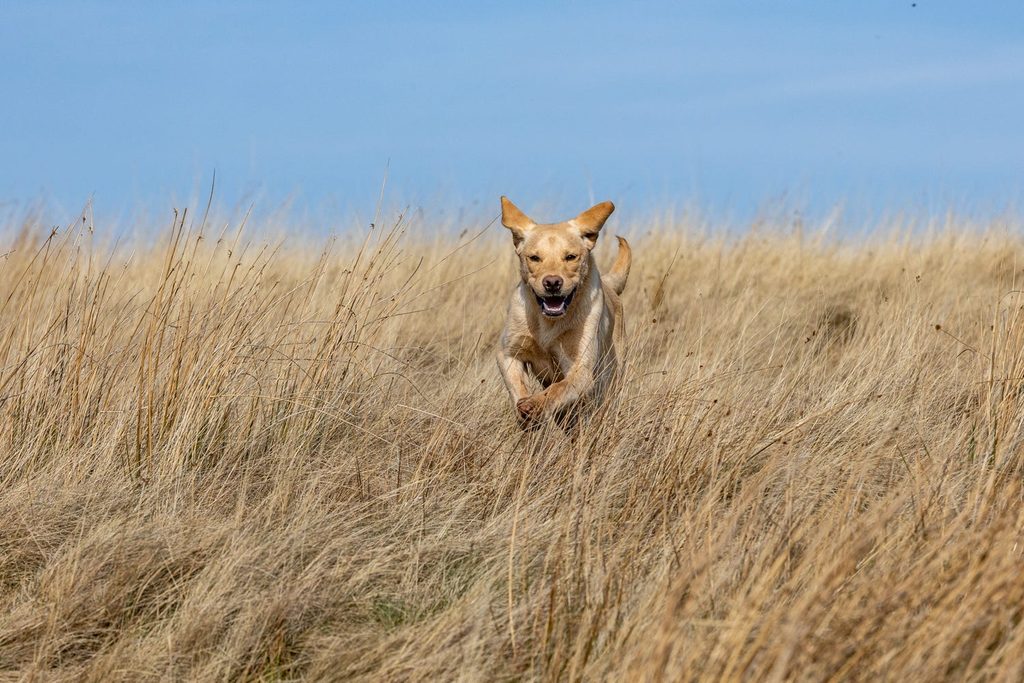
Most of us would be heartbroken if we knew our dog had caused a skylark’s nest to fail, as the tiny songster made our walk so much more enjoyable, but it happens all too often. It is so easy to be distracted from what your dog is up to if you are chatting to a friend or looking at your phone, because the grass or crop is long, or the dog is through the hedge or in a wood. These events go unseen and are over in seconds, but the consequences for that animal are massive and to nature as a whole.
There is a very simple solution, that will give you peace of mind, that is to keep your dog on a lead or strictly at heal in spring and summer or at any other time you feel nature is vulnerable. I f you see a sign requesting that you keep you dog on a lead it is there for a reason. Many people when challenged say my dog doesn’t do any harm, and when they are on your lap watching television, they aren’t but when they are running free there is a good chance they are. We are responsible for our dogs, and it really boils down to our consideration of nature and the impact we have on how it thrives.
Please keep your dog on a lead. Enjoy your dog and enjoy nature. Thank you.
Written by Simon lester
Subscribe Today
Join us on our Substack journey to educate, share and explore the countryside, its communities, wildlife and heritage.