
Usually in early February they start to arrive. You will hear the screech of a lapwing as it dives out of the sky to throw itself back into the air just before it hits the ground. The mellow ‘peep’ of a golden plover calmly sat amongst its hundreds of friends filling up on grubs from the farm fields before some leave for the icy shores of Iceland.
We are of course talking about the ground nesting waders. They usually arrive in their hundreds on the uplands, but slowly as the weeks pass they filter off, pair up, choose their territories and settle down into their nesting scrapes. But who does nest on the uplands?
Lapwing
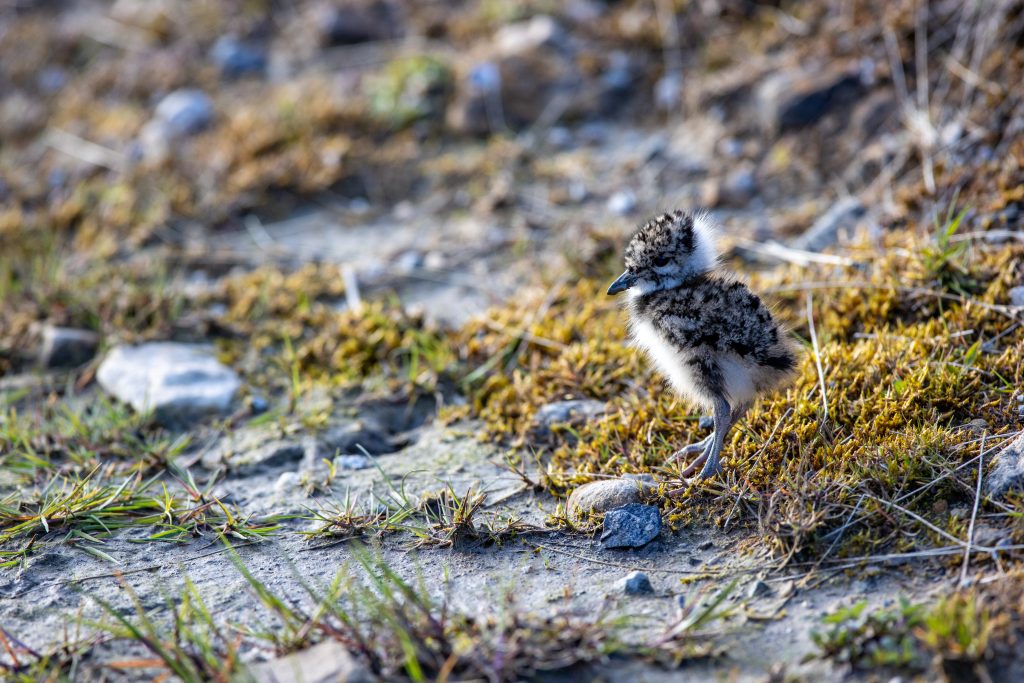
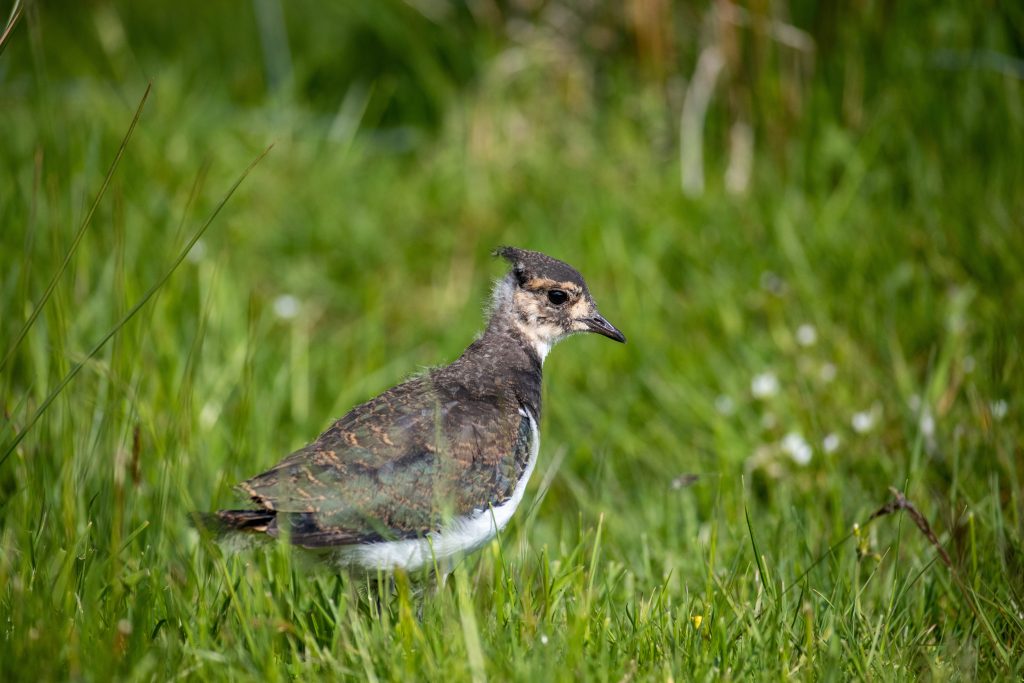
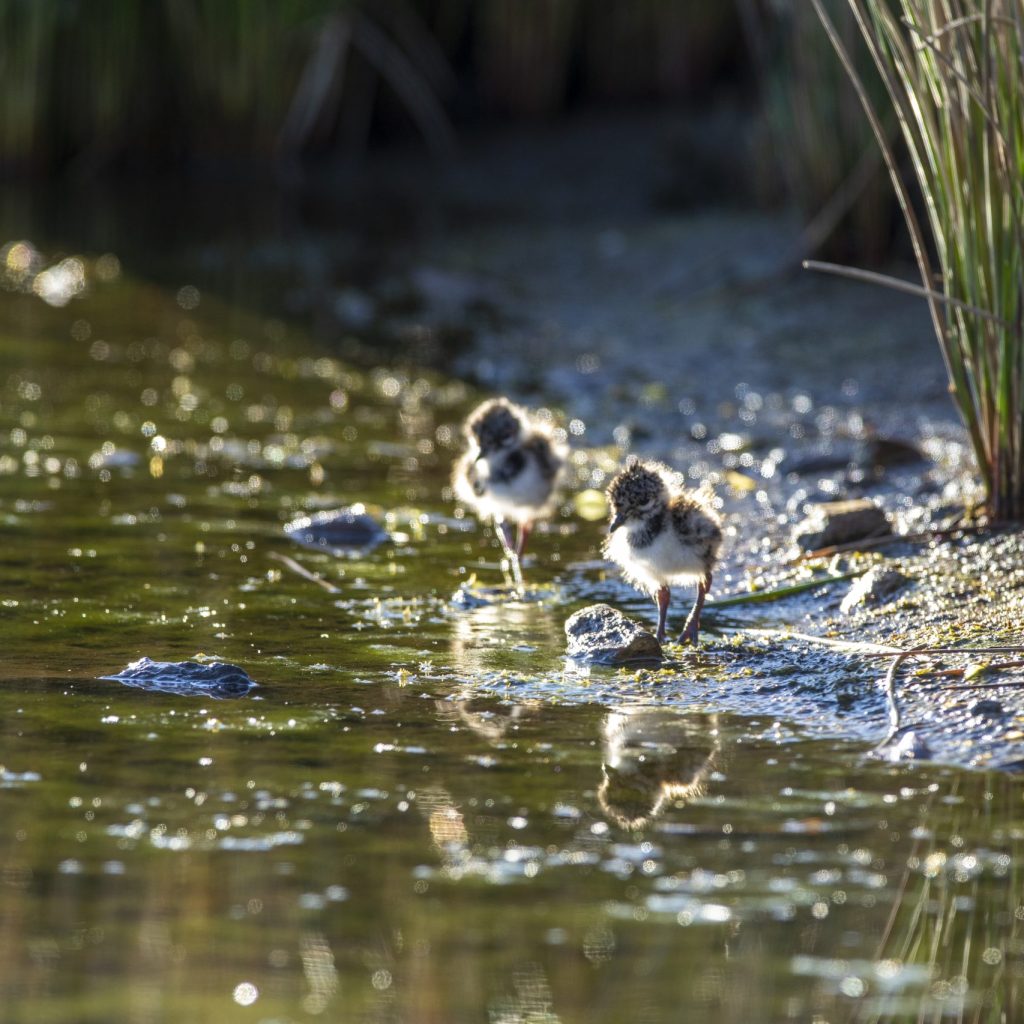
Lapwing are very well known and recognised, they are usually one of the first waders to sit and hatch! Both male and female will incubate eggs and then defend the chicks but the chicks have to feed themselves! They are basically born with a mouth to eat and legs to run! For the first few weeks the chicks depend on mum to brood them under her wings to keep them warm and dry!
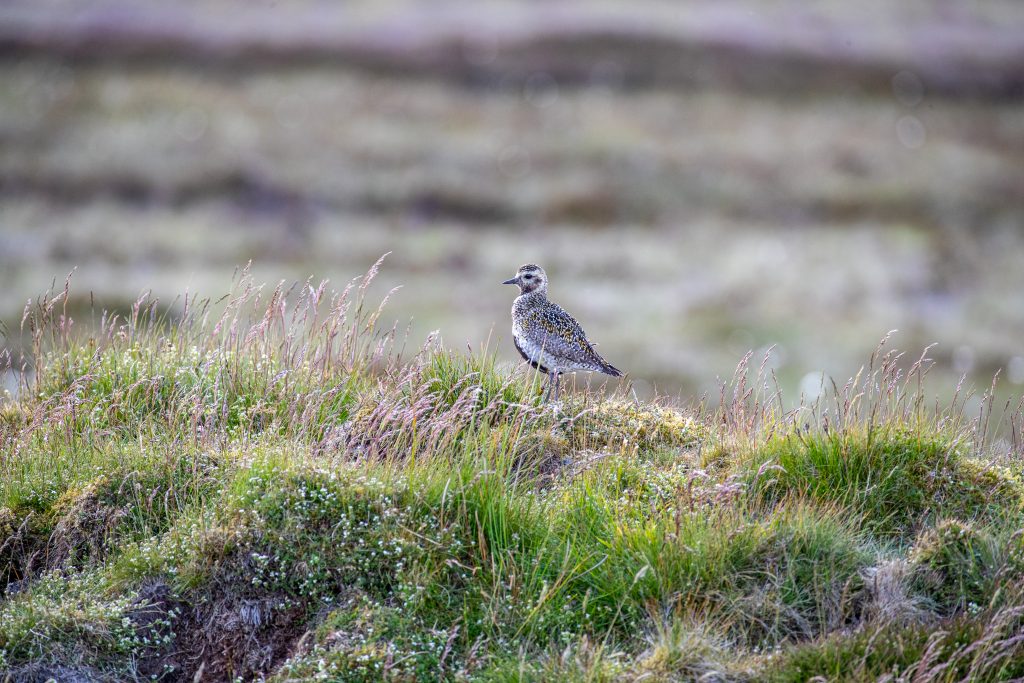
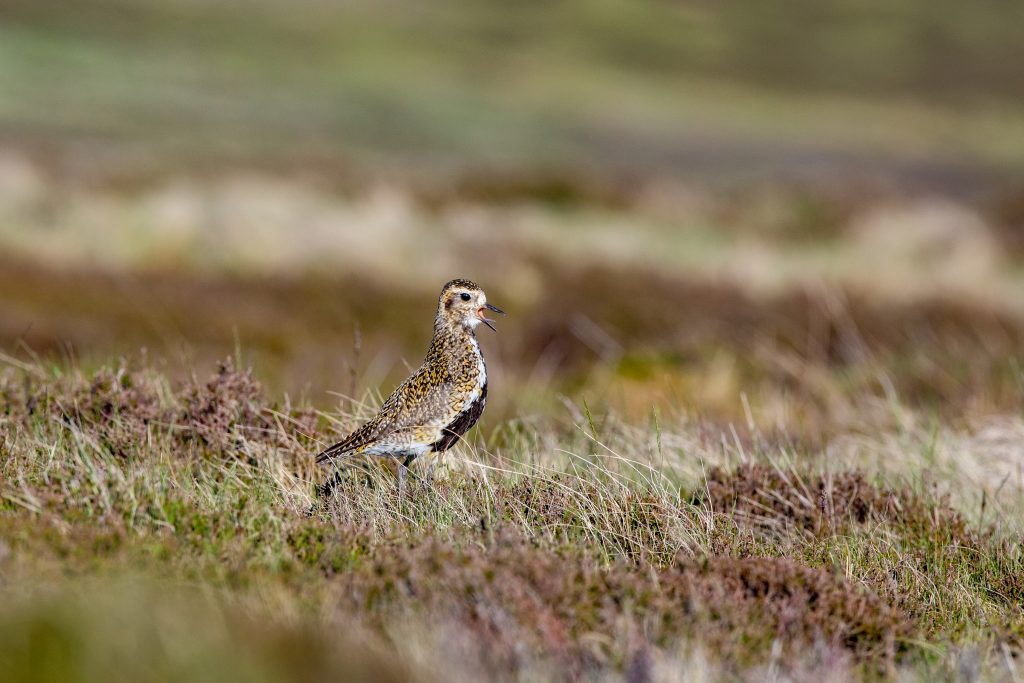
Golden Plover
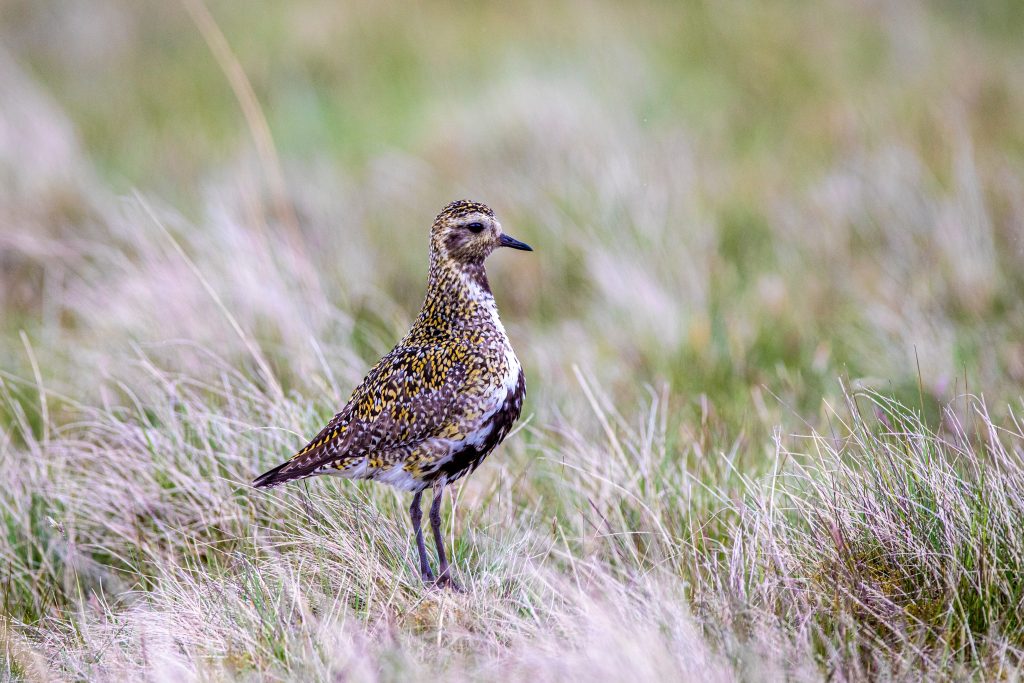
Golden plover are much more secretive than many of our other waders, with their one tone, singular, soulful call they are not as obvious as say a curlew who will shout their heads off if you are anywhere near their chicks. Goldies also like to sneak their chicks away from you, they will calmly walk away and call to their young to move away from any danger. These birds also tend to nest high up on moors so are less likely to be disturbed.
Curlew
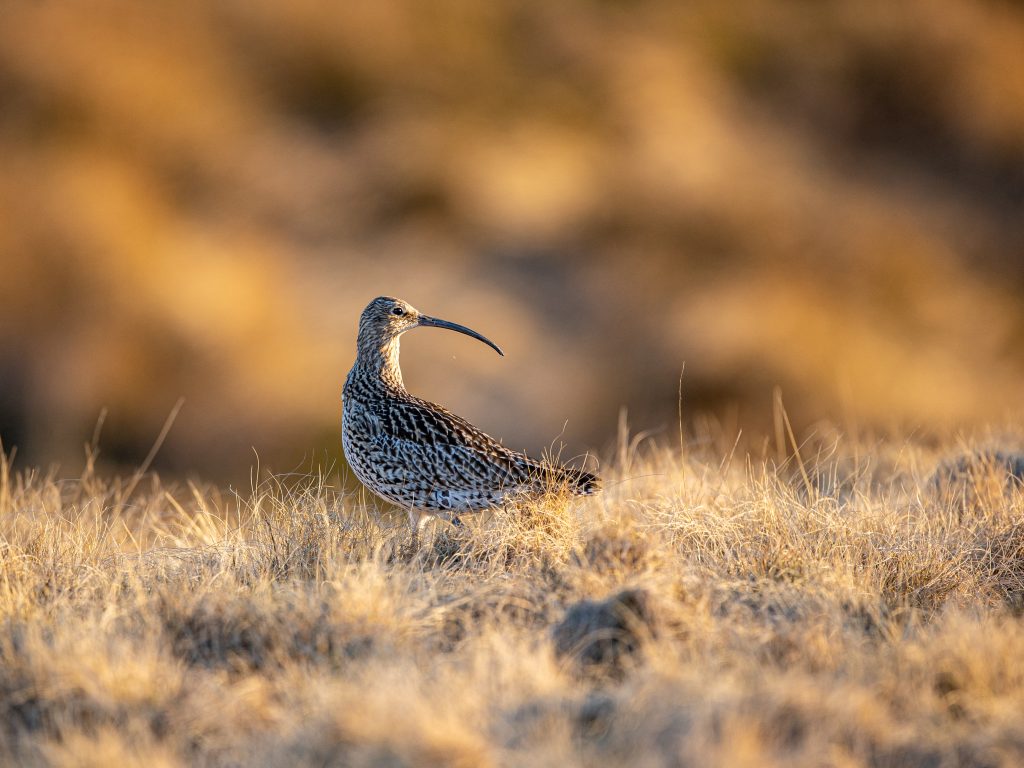
Probably one of the best known (for its uplifting call) and recognised waders is of course the curlew, there are lots of conservation bodies working on saving this bird, hence its popularity. The curlew is a fantastic parent, both birds incubate the eggs, often with one leaving the nest by sneaking off into the grass so the second can sneak in from another angle. They then both defend the chicks for a few weeks then the mother will often leave the dad to do the rest. These birds make themselves known! They are the foghorn of the moors when they have chicks and will practically fly at your head to get you away.


Oyster Catcher
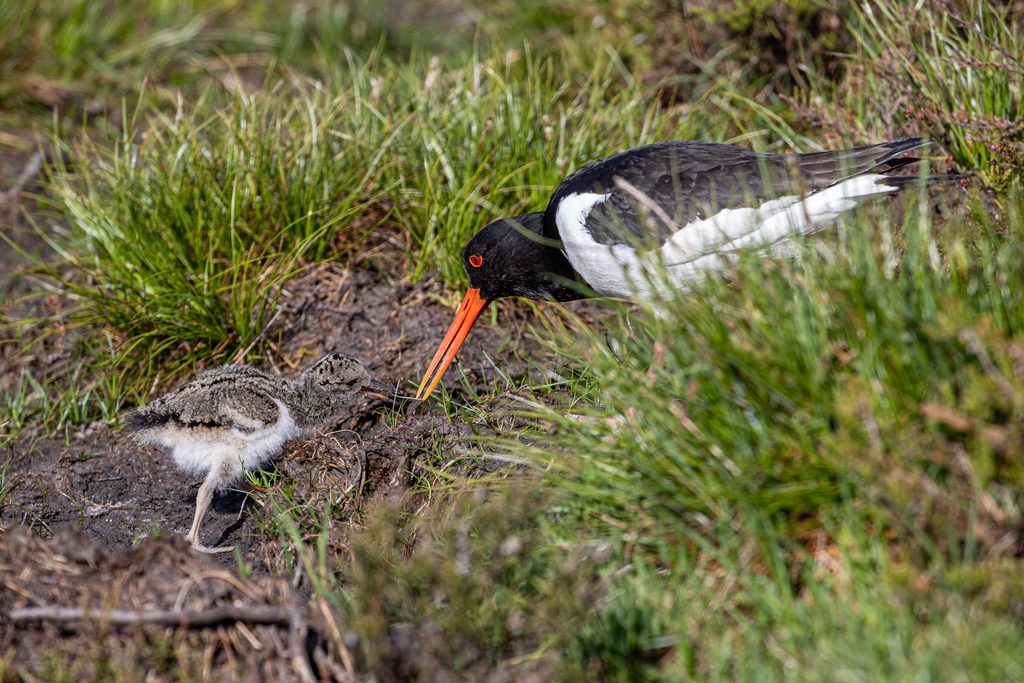
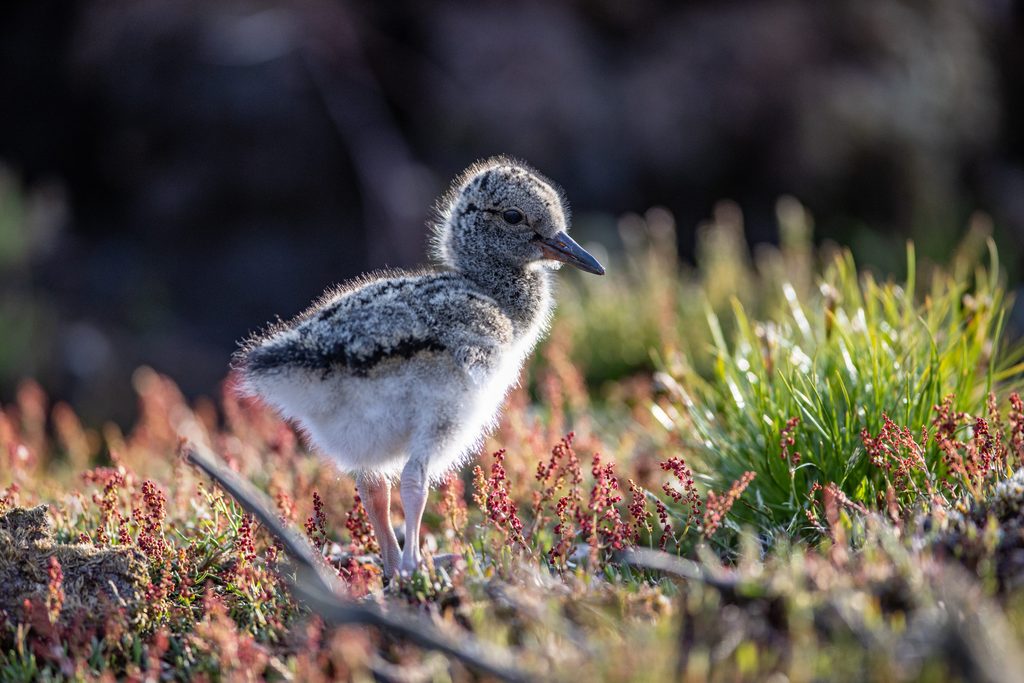
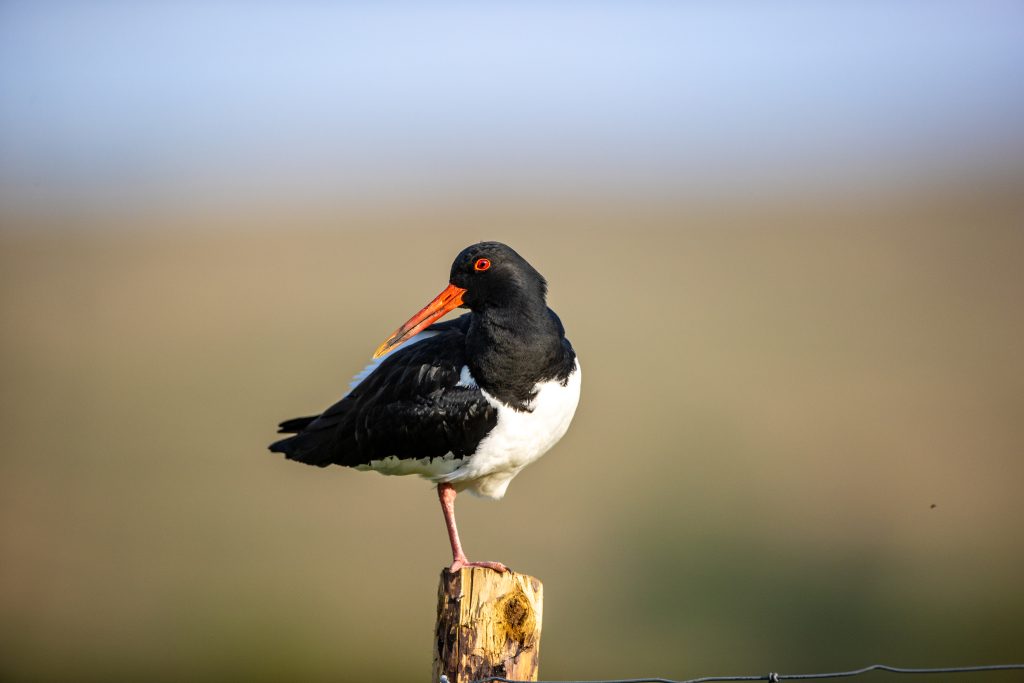
Another noisy addition to the moors. Oyster catchers are probably one of the least camouflaged waders in the uplands but they are fantastic parents, and luckily, their chicks have perfect camoflague. They usually nest on the lower ground or along rivers as they like stones in their scrapes (nests) to keep the eggs off the ground. They will often nest in the most inconvenient or silly places like on walls next to roads or even in the middle of a rocky track. When their chicks hatch the parents feed their young until they are big enough to scavenge for insects themselves. Both mum and dad do this and if there is any danger they will let off a warning call and their chicks become a rock. Their greatest strength is, on sensing danger, when the parents tell the chicks to become a rock, the chicks do so very effectively!
Sandpiper
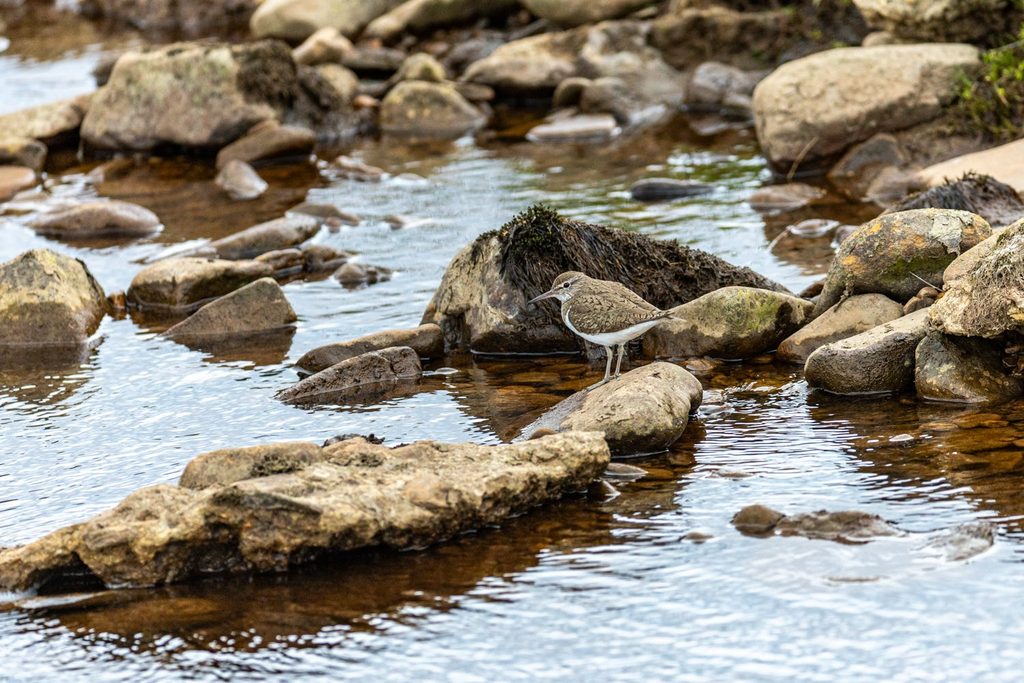
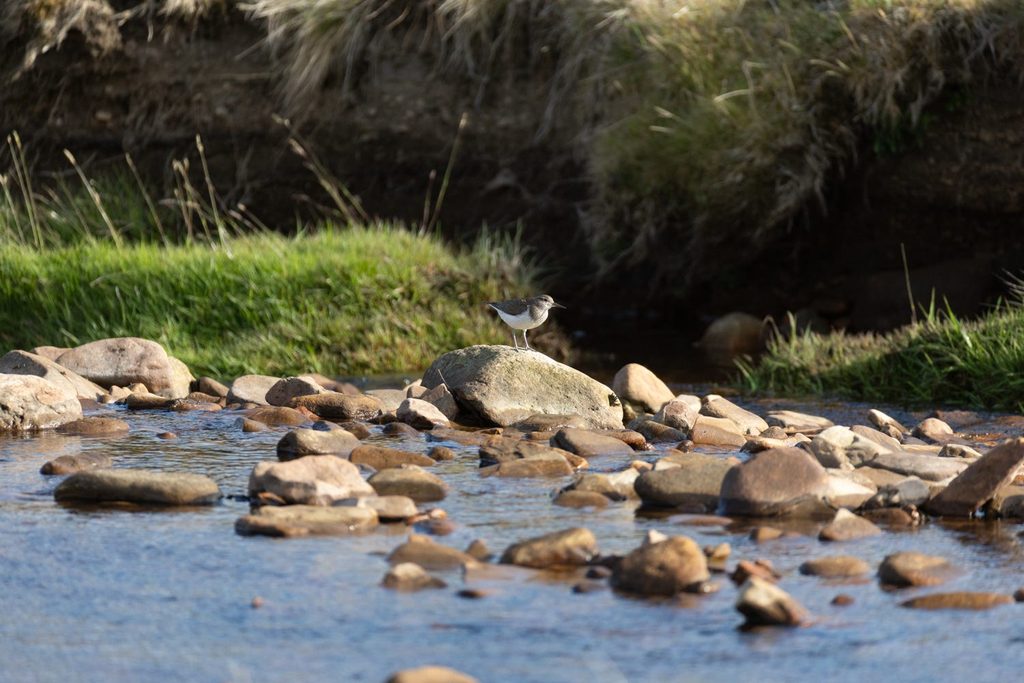
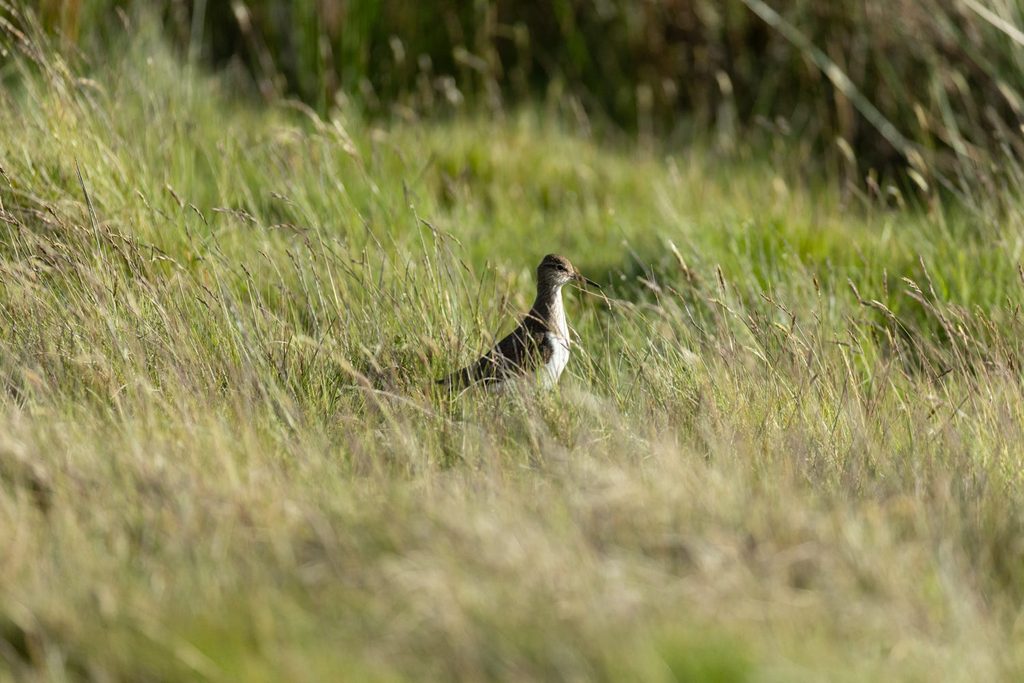
Sandpipers can be found along the rivers and streams that flow through the landscape. Considering their size you may think they would not successfully nest on the moors because of the bad weather we can sometimes get but these little birds are tough. Their chicks are no bigger than a cotton wool ball but they are surprisingly versatile and can even cross the streams they feed on.
Redshank
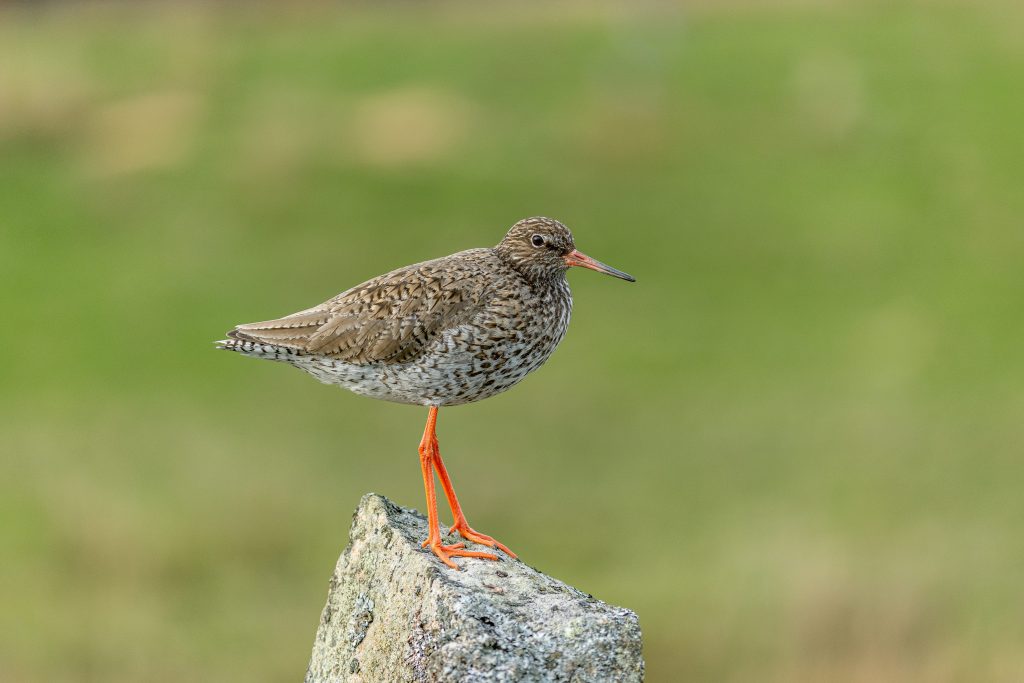
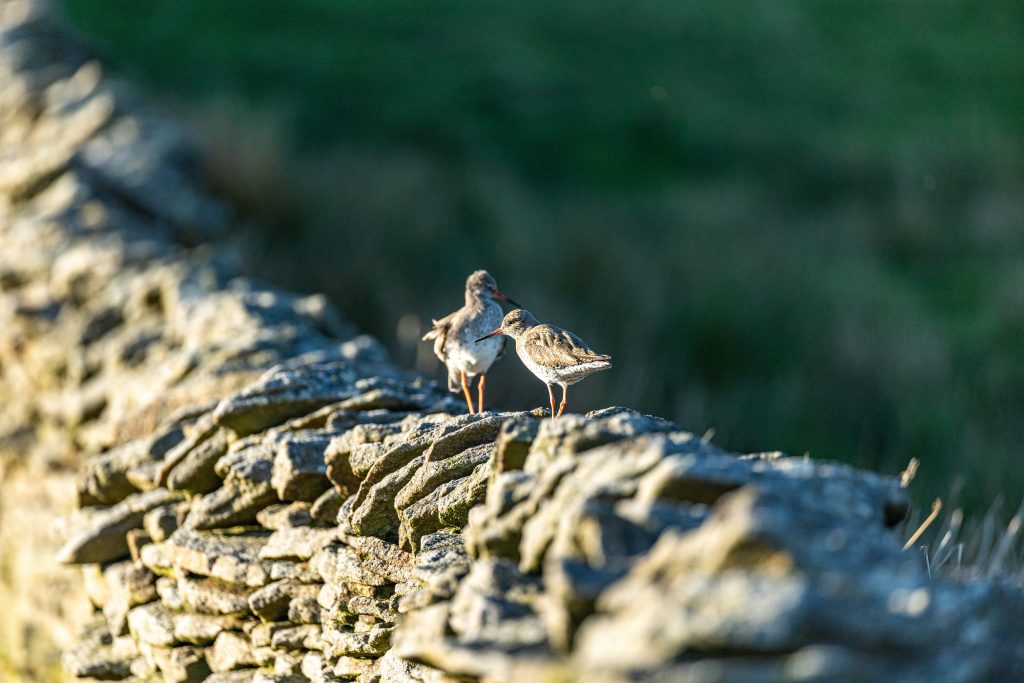
Often spotted sitting on walls or darting through the sky redshank can be found nesting on the lower parts of the moors, favouring damp areas with short vegetation and nearby pools or wet flushes. During the breeding season, redshanks are highly territorial and use their distinctive, ringing calls to defend nesting areas and warn of potential predators. Healthy moorland habitats provide important breeding grounds for this declining wading bird.
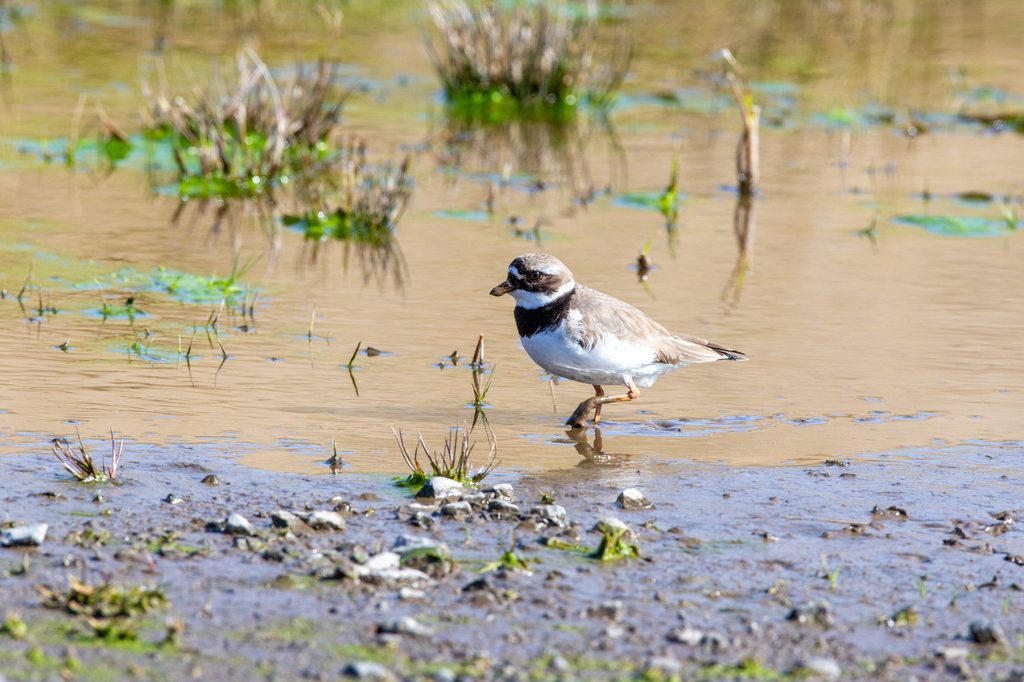
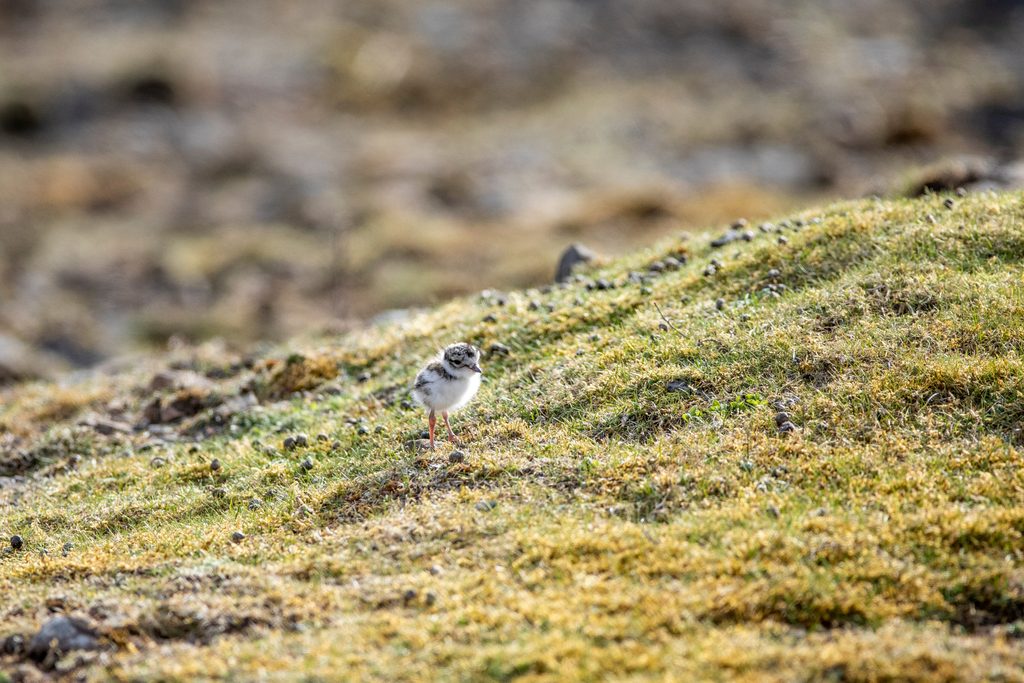
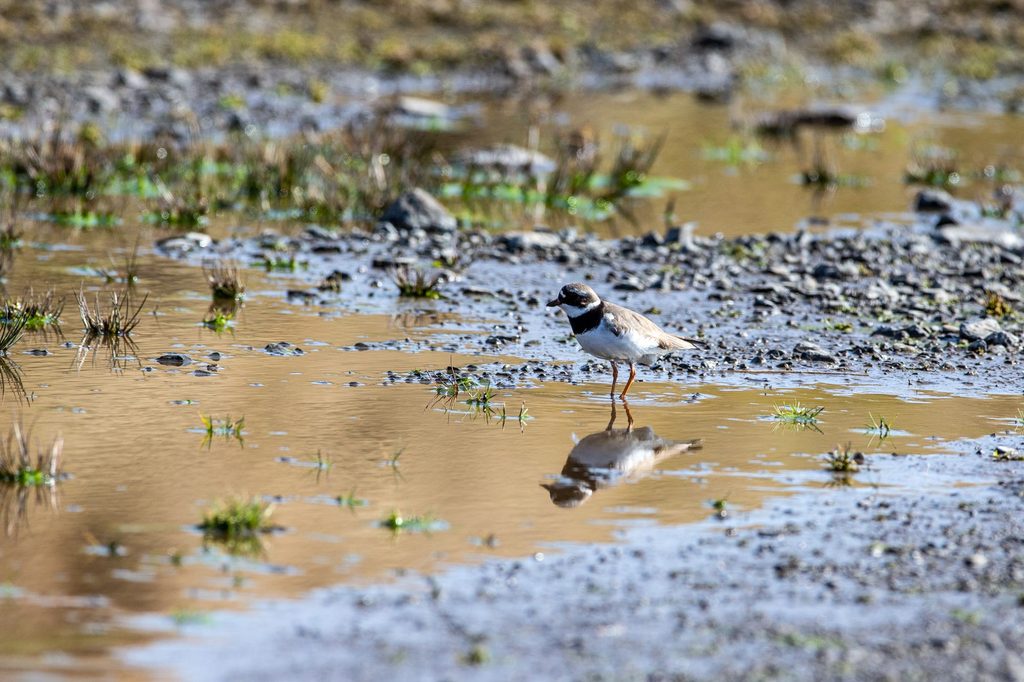
Ringed Plover
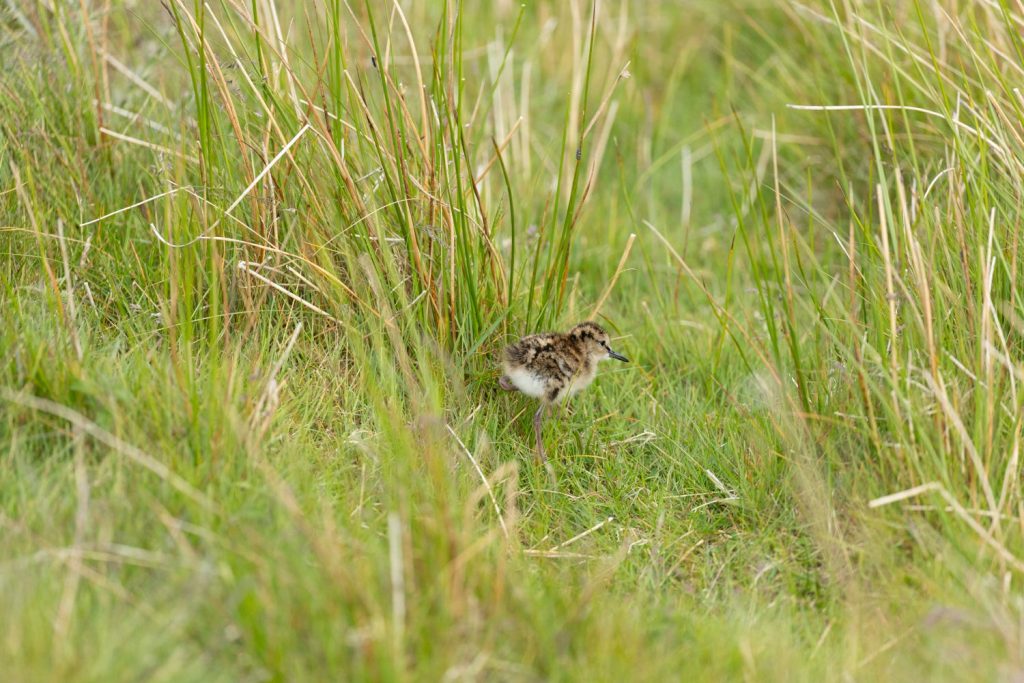
Ringed plovers typically nest on open, sparsely vegetated ground, including coastal shingle, sandy beaches, but occasionally they come inland to find gravel or moorland habitats. Their nests are shallow scrapes lined with small stones, shells, or plant material, providing excellent camouflage for their eggs. These are probably some of the hardest nests to spot! During the breeding season, ringed plovers are highly sensitive to disturbance and rely on open habitats where they can easily detect predators.
Snipe
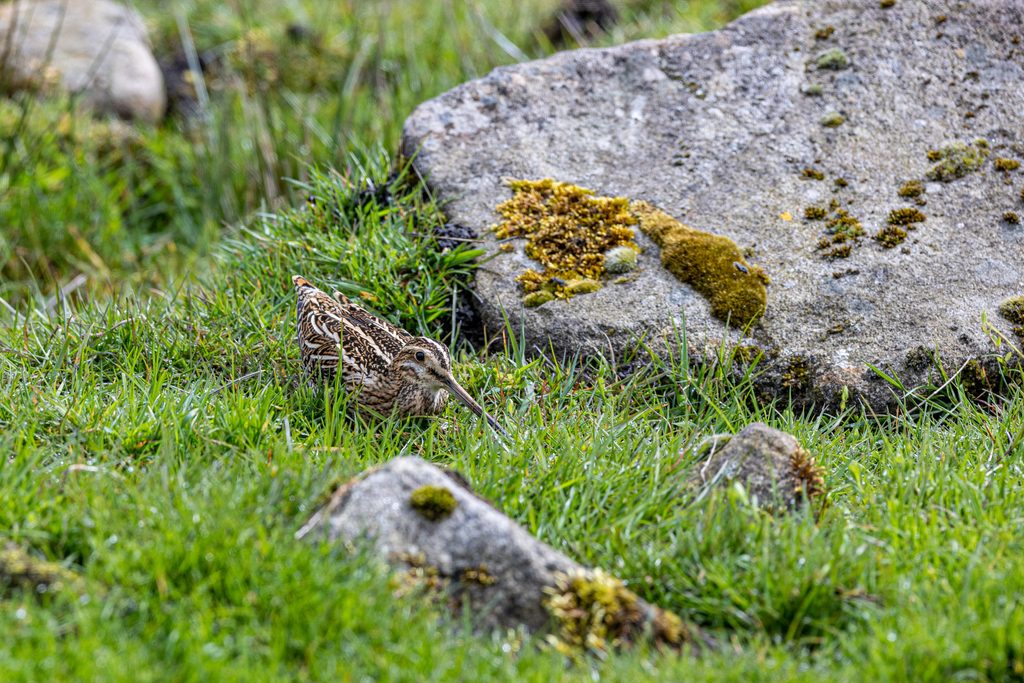
Often you hear them before you see them! When in flight these birds have two extra feathers that create a ‘drumming’ noise as they dive out of the sky! These are incredibly camouflaged and secretive little birds so finding their nests can seem near impossible. Like many waders they often have four eggs and nest in reedy, wet areas!
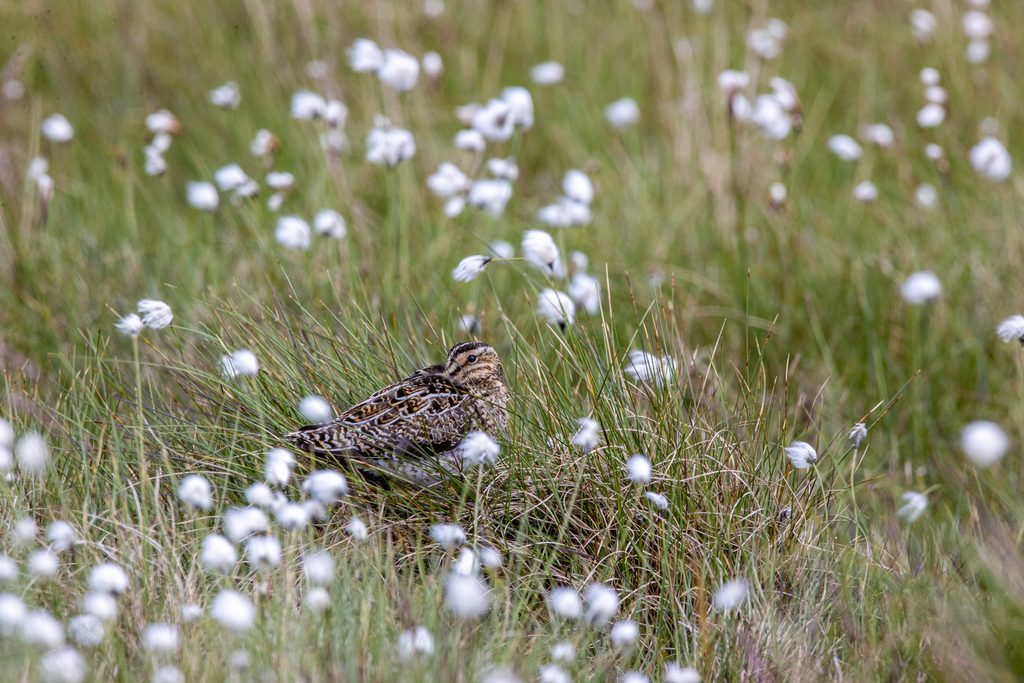
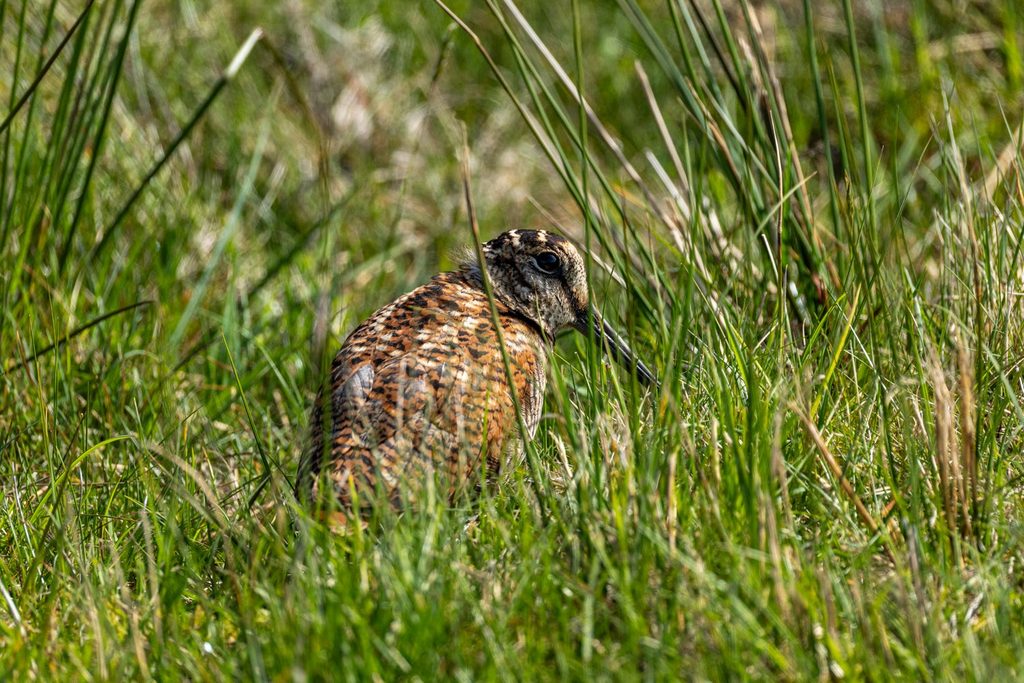
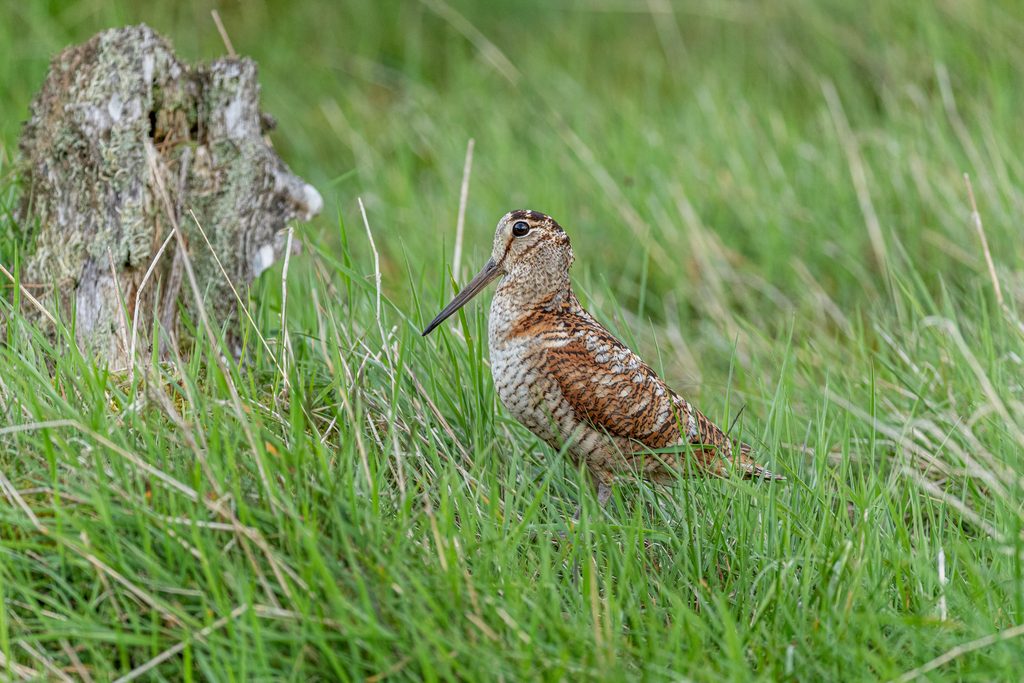
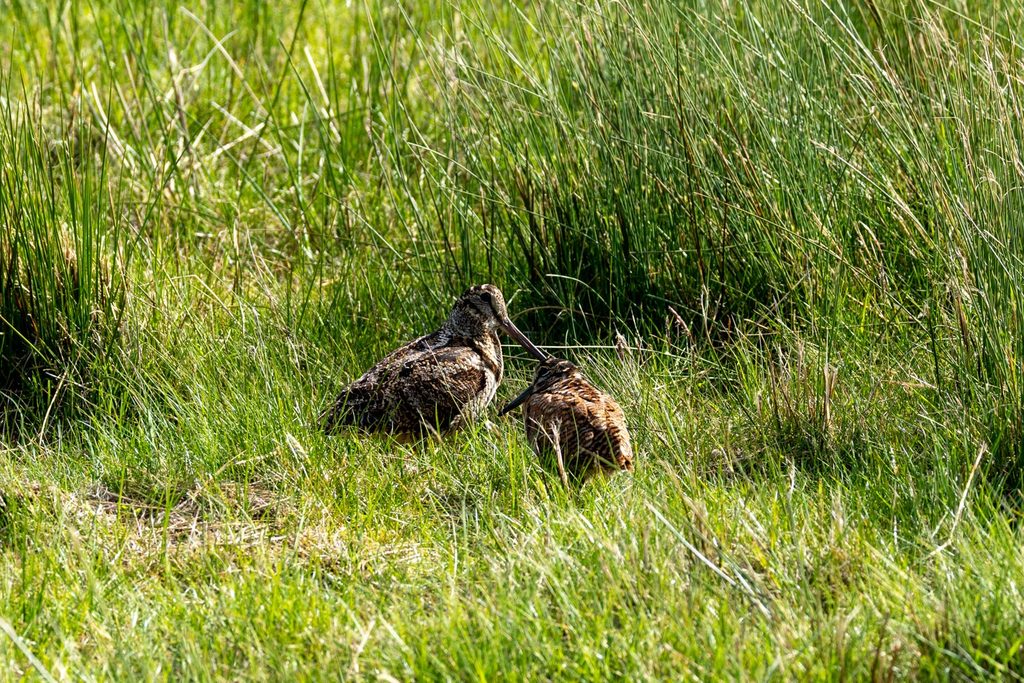
Woodcock
The rarest to find! Many believe woodcock only nest in woodlands (hence their name) but these birds have always successfully nested on moorland habitat. They, like the snipe, are even more secretive, moving slowly and cautiously around the moors. These birds also do something incredible, when spooked they can pick up their chick one by one and fly them to a new location!
Written by Emily Graham
Subscribe Today
Join us on our Substack journey to educate, share and explore the countryside, its communities, wildlife and heritage.