
Clipping time for me always signals mid summer. On our farm it isn’t a big event with trailers rolling in and contract shearers flying through the yard — it’s just another job we fit in around everything else. We clip our own flock, slotting it in when the sun shines between all the other jobs that pile up this time of year, and somehow, they always end up being some of the most satisfying days.
Clipping is one of the most important welfare jobs of the year. And it’s also when we harvest one of Britain’s most underrated natural materials: wool, the hardy fibre that’s breathable, renewable and naturally fire‑safe, yet still doesn’t get the recognition it deserves.
Why We Clip Sheep
We shear sheep because they don’t stop growing wool. If we left them to it, they’d spend July wearing a full winter coat, not ideal if you’re a ewe with twins and a hill to climb, and in the new UK summer climate, this would be considered cruel by any standards!
Shearing keeps sheep cool and clean, especially with the more extreme temperatures in today’s climate. Sheep have been clipped for thousands of years for their own health and safety. Once upon a time the money earned from the wool cheque used to be enough to pay the rent on a farm for a year. Clipping sheep is non-negotiable for their welfare, leaving the fleece on would not just cause overheating, matting and discomfort but clipping also makes the sheep easier to manage, less risk of becoming cast (when they roll over and can’t get up).
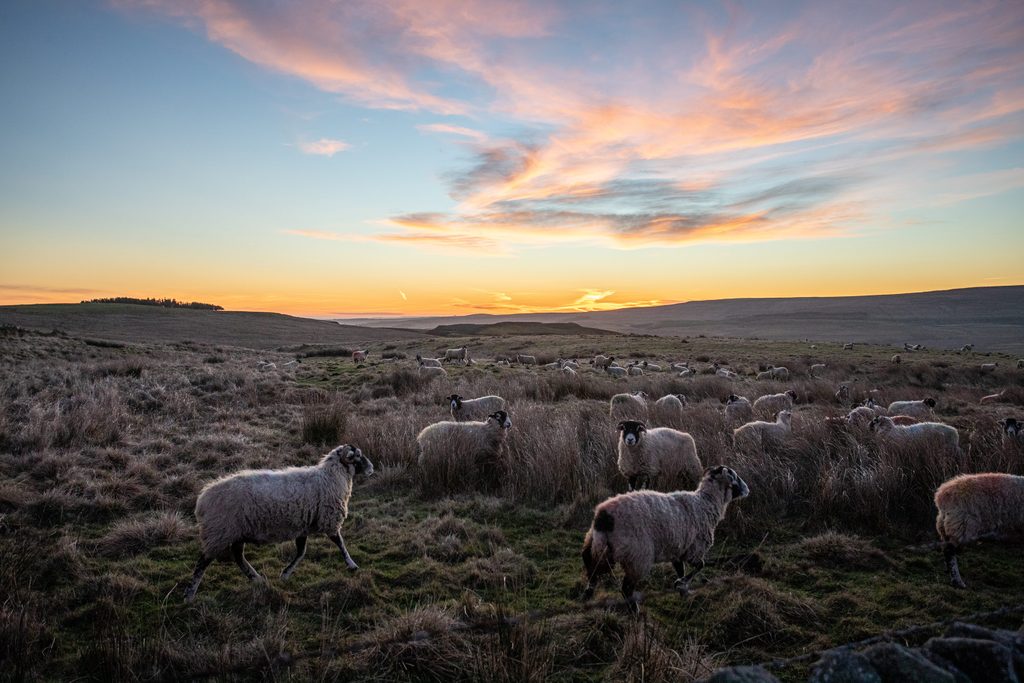
It’s quick, skilled, calm work — and it’s done for the sheep, not the wool cheque.
Clipping the sheep has many benefits, it is a great time to check the flock over, cleaner lambing and lower flystrike (when flies lay eggs in wool and they hatch which can cause some nasty skin problems) both follow naturally once the fleece is off. With less wool for dirt, dust and poo to cling to, sheep stay cleaner and easier to manage, which means fewer chemicals and simpler health checks throughout the season. It’s one of those jobs that makes everything else run more smoothly.
Let’s Talk About British Wool
Here’s where wool deserves its standing ovation — because British wool is genuinely brilliant. Not “marketing brilliant”. Actually brilliant.
Wool is natural, renewable, and biodegradable. It grows back every year, breaks down naturally, and returns nutrients to the soil. Around half of its composition is biogenic carbon, making it the polar opposite of fast fashion: a slow, honest fibre grown by sheep and powered by grass.
It’s also naturally fire resistant. Wool doesn’t burn easily; it self‑extinguishes and acts as its own flame retardant without any chemical treatments.
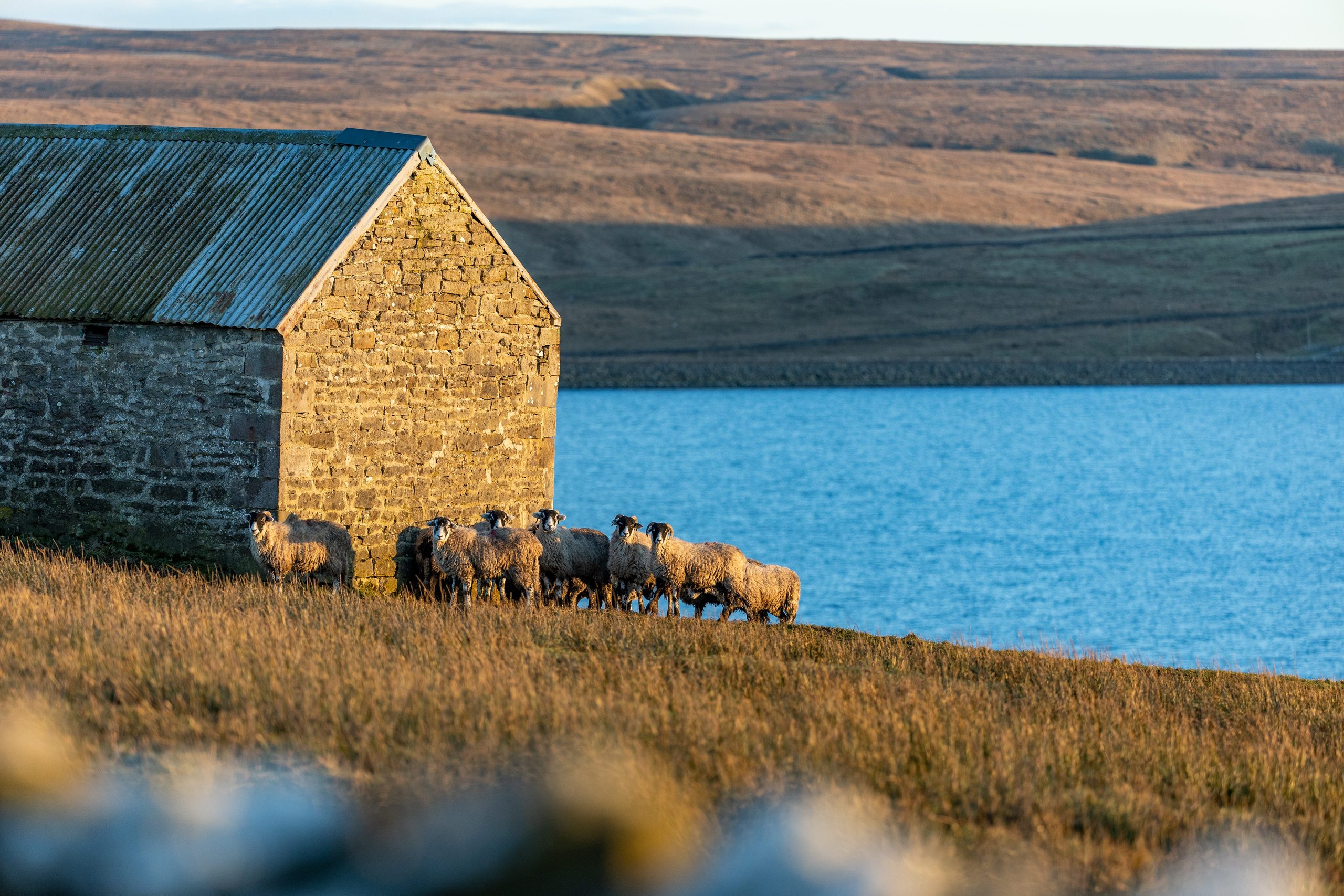
Temperature regulation is another of its quiet superpowers. Wool keeps you warm when it’s cold and cool when it’s warm, it’s nature’s thermostat working exactly as intended. Synthetic fibres can only dream of that level of temperature regulation! Some may say why do we need to sheer the sheep then, well, as already discussed it doesn’t stop growing! leading to matted, heavy wool and discomfort for the sheep.
And unlike synthetics, wool doesn’t shed microplastics. Every wash of a synthetic jumper releases particles straight into rivers and oceans. Wool releases none, it’s a genuinely clean fibre.
British wool becomes insulation, carpets, rugs, garden mulch, felt, craft materials, mattress fillings, high‑performance textiles, soundproofing, clothing and more recently is being used by gardeners as a natural defence against frost and pests. It really is multi purpose. The natural texture of wool deters slugs and snails as they don’t like climbing over it making it a natural, organic garden tool.
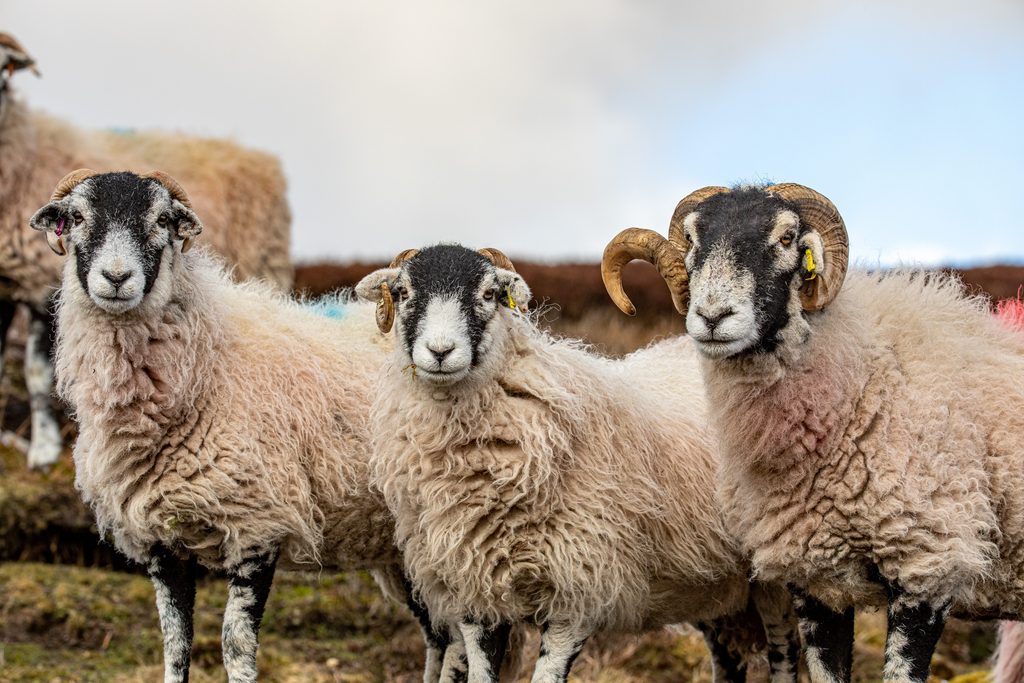
It’s woven into our landscape and heritage too. Hill breeds like Swaledales, Herdwicks, and Scottish Blackface produce strong, durable wool perfect for carpets, insulation, and hard‑wearing textiles, while lowland breeds add the softness and versatility needed for clothing.
The market price doesn’t reflect the environmental value, the hard work, the craftsmanship, or the heritage behind British wool, it costs more to shear a sheep than the wool is worth. Contract shearing often runs around £1.80–£2.20 per sheep depending on the area and the job. Clipping your own saves the contractors bill, but you still have the kit, the maintenance, the time and your own labour.
A typical fleece from a hill or crossbred ewe might weigh 1.5–2.5kg. With British Wool’s average price hovering around 30–40p per kilo for many breeds — sometimes even lower — you’re looking at roughly 45p to £1 of wool per sheep. That’s for a job that costs £2+ if you hire someone, or cost your own time and energy. In other words, the fleece doesn’t even pay for the diesel to get it to the depot.
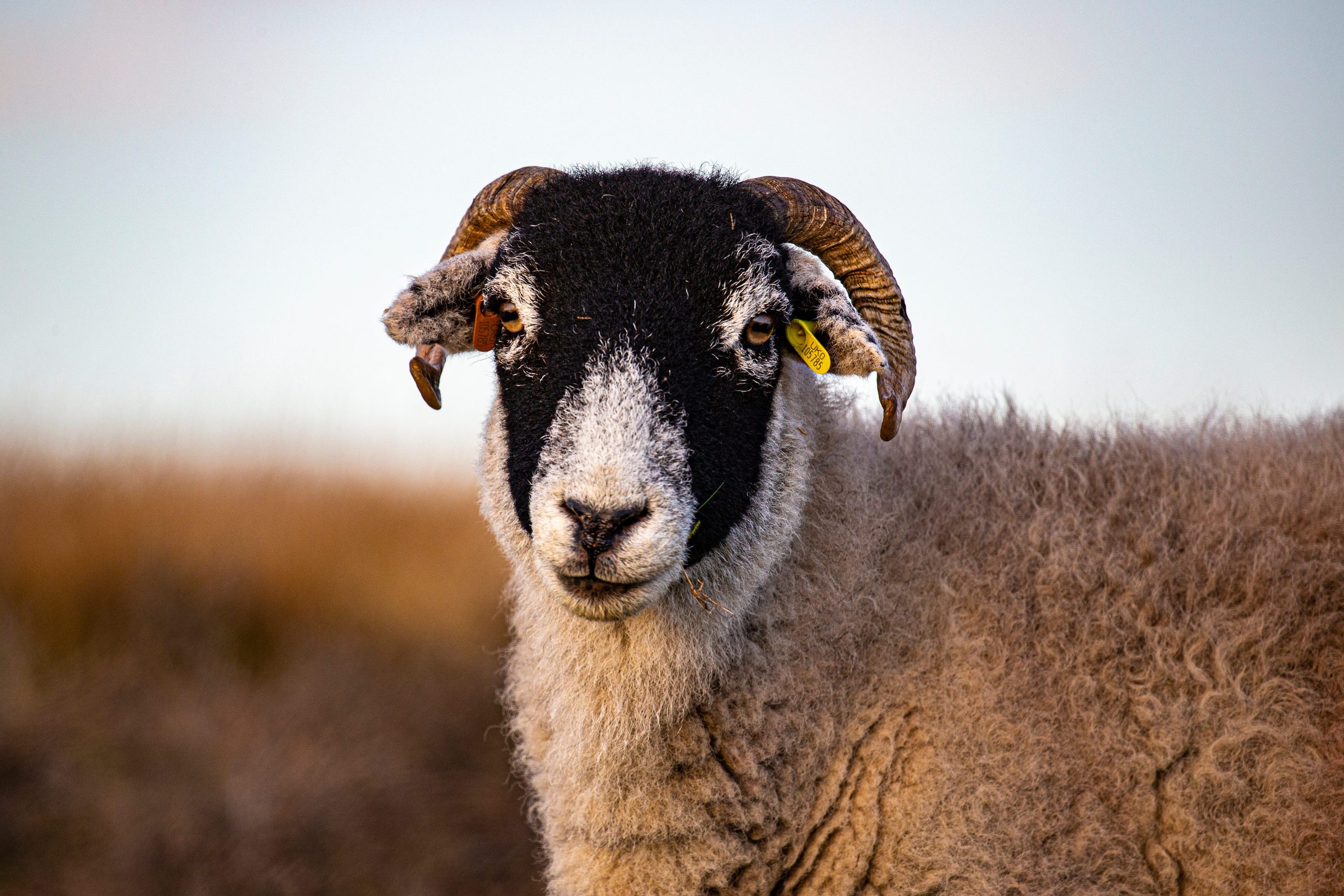
Clipping time is essential, for both the welfare of the sheep and to produce amazing British Wool. It keeps sheep healthy and supports good management, as well as reducing the use of chemical treatments. And British wool remains one of the most honest, renewable, environmentally sustainable materials we produce, it is a huge shame that it is so undervalued.
Written by Caz Raine.
Subscribe Today
Join us on our Substack journey to educate, share and explore the countryside, its communities, wildlife and heritage.