
A predator is an animal that kills and eats another animal, it is a natural process which happens day in and day out. Nature is red in tooth and claw. In the world in which nature began, predators controlled prey numbers, and prey numbers controlled predator numbers. By the fact that if there is less prey, the predators will die back to a number that works under the circumstances. What develops is a food chain or pyramid, lots of small things (prey) that breed quickly being eaten by usually bigger things (predators) that breed more slowly.
Over time, things have changed dramatically as we humans have multiplied thus needing more space and more resources. In 1800 the world population was1 billion, in 2025 it was 8.2 billion. Some would say that we are the ultimate predator whether we eat the animal or not. This puts massive pressure on the environment and nature and causes many imbalances in predator/prey relationships.
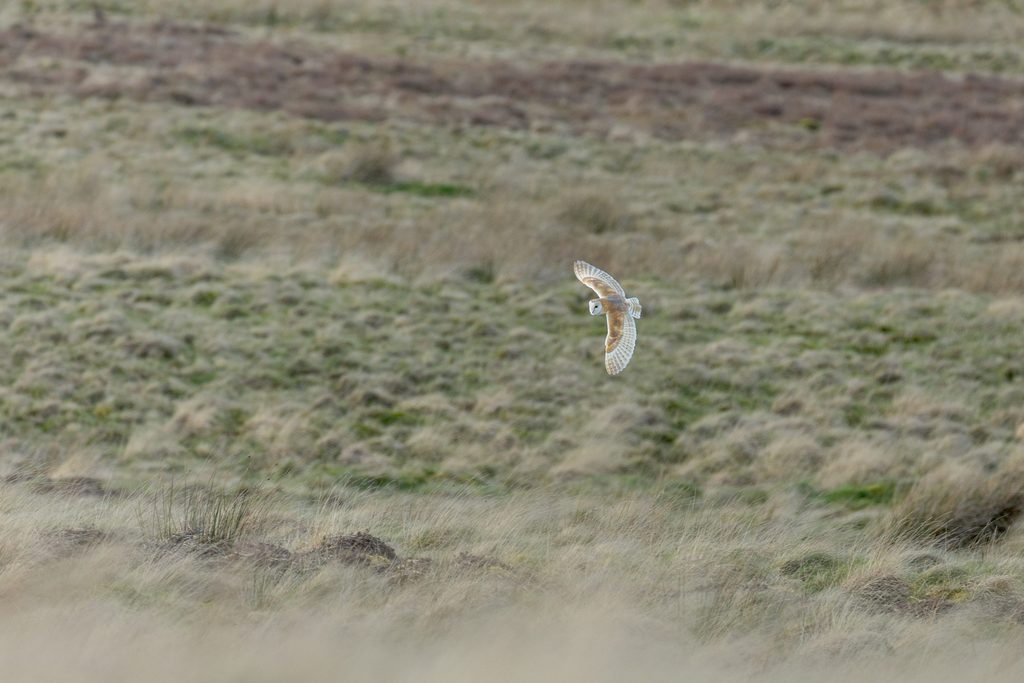
The United Kingdom has a relatively high population (283 people per km2 as opposed to France at 120 or Spain at 93) and has a highly developed farming enterprise that has intensified dramatically since the 1950s. This intensification, through habitat loss (houses, factories, removal of trees and hedges etc) and a greater use of insecticides and herbicides has led to depleted insect populations which has had an adverse impact on many of our most vulnerable flora and fauna causing populations to fall.
At the same time, many of our predatory animals have benefited from eating human waste products and crops. Most predatory species in the UK are generalist feeders that can switch prey and benefit from exploiting many food sources which allows them to breed better and live longer, roadkill for example. Our relationship with predators has also undergone a dramatic change. Henry the Eighth, by an act of Parliament, published a vermin list where many birds and mammals were on the hit list, bounty was paid, and fines were given if the control was lacking. Until relatively recently there were a lot more people controlling predators in the countryside; farmers, gamekeepers and the many people that kept chickens would kill animals and birds that effected their living, this suppressed predators over a great area.
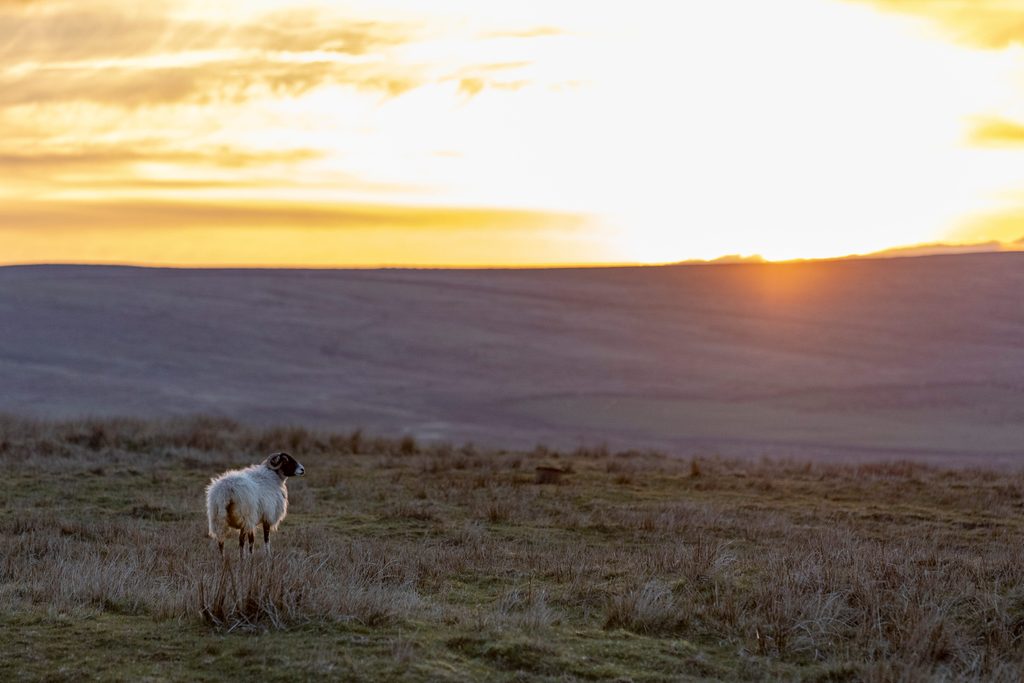
The other factor that has helped predators to survive is climate change. A good, long, cold winter would be a limiting factor to the young and old. Worn out teeth at one time would mean certain death but if you can pick up a pizza… life can be extended.
So, what is the problem with predation? If prey species are breeding well and replacing themselves, all is good, but because of the factors described, that is not the case with many animals, particularly birds that nest on the ground. Birds that were common throughout the British countryside, lapwing, curlew, black grouse, grey partridge etc have all but disappeared as breeding birds in many counties, mainly through habitat loss, but where they do persist, their breeding attempts are handicapped by predation, first of the eggs and latterly the chicks too, few fledge/reach adulthood. This leads to continued decline.
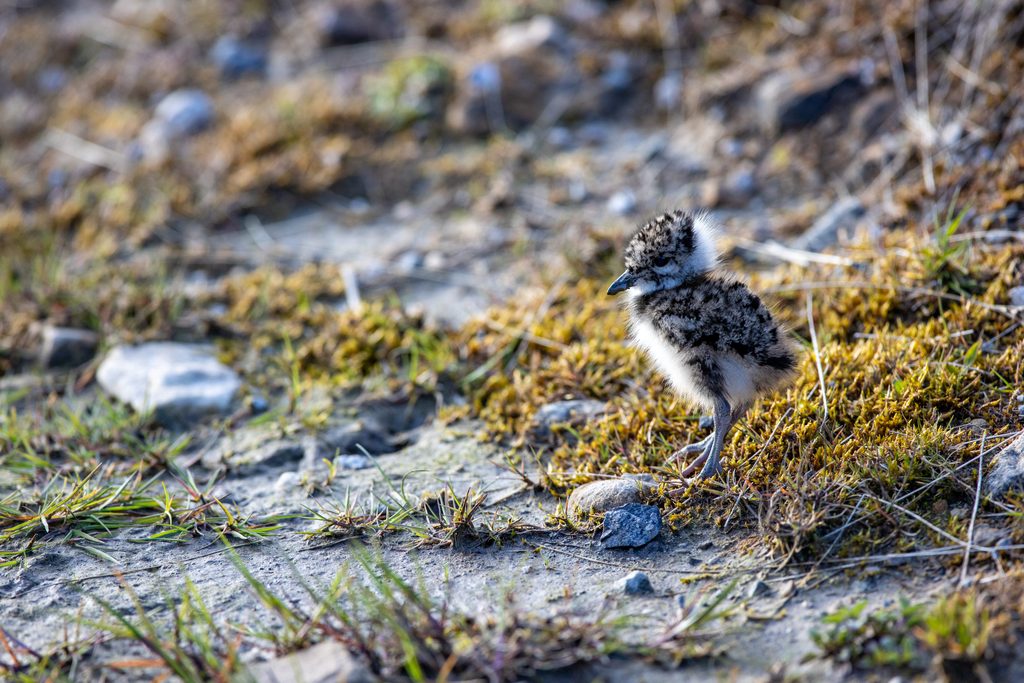
Removing predators to a level where these birds can successfully rear and fledge, (the young leave the nesting sight and join the adult population) has been scientifically proven many times to be the most effective method of helping these ground nesting birds achieve adulthood.
Avian (Birds) predators will take eggs, chicks and adults as will mammalian predators, everyone is breeding in the spring, so it is a pinch point… the predators also have demanding offspring to feed, and whether you are an egg, chick, or adult you are food. A curlew for example, has to lay her eggs, then sit on her eggs for nearly four weeks and then coax her chicks to find food, which gives the whole suite of predators plenty of opportunity to destroy their breeding attempt and for many ground nesters they get one chance a year where as some predators such as a stoat can have multiple litters a year.
Let’s look at it another way. In the UK – we used to have miles and miles of wilderness and pockets of population – the reverse is now true, miles and miles of population with pockets of wilderness, so wildlife is boxed in, not by fences but by towns and cities and people. So, there are finite pockets of countryside into which we want to squeeze all the appropriate flora and fauna for that habitat. For everything to survive and thrive we need balance. Balance means not too much of any one species – predator or prey. Due to the squeeze on the habitat, things become un-balanced and we, perhaps the ultimate predator, have to step in to keep the balance to avoid wiping out certain species.
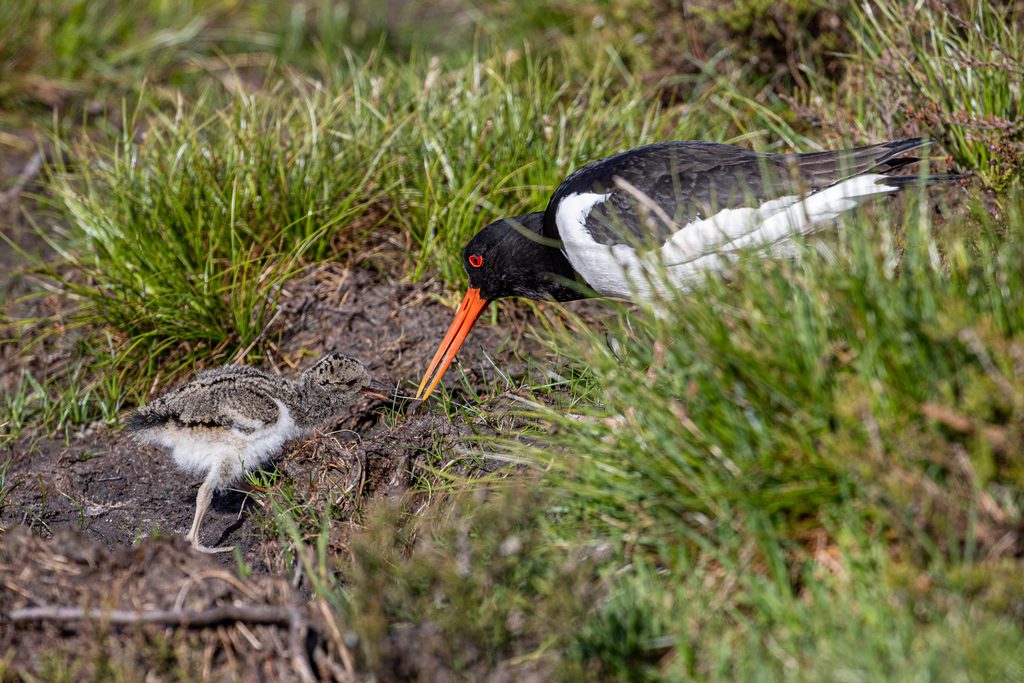
So, what is predator control?
All predator control should be carried out within the law and by competent, professional operators with sufficient training where required.
The laws are strict on what and how control is achieved and governed by the Wildlife and Countryside Act. All wild birds, nests, eggs and chicks are protected and some mammals but some that are viewed as pest species can be controlled under a ‘general licence’. Licences can be applied for to control certain species that are not on the general license. Foxes, rats, rabbits and mice have no protection.
It is not worth engaging in predator control if it is not carried out in a sustained, efficient way to make sure you reach your required objective which is to increase the productivity of wildlife. This can be achieved by shooting and trapping with various types of legal, humane and approved traps. Furthermore, predation control needs to be balanced and cover all the relevant predators. For example, there is little point in controlling foxes and not stoats – doing so just means allowing an explosion of stoats and the area becomes a ‘sink’ for wildlife rather than the positive known as a ‘source’.
There are lots of predators that cannot be controlled, for example all raptors, badgers, otters, pine martins etc and this can be a challenging factor, especially if they are abundant and this can have its own set of problems.
Look out for Part II of Simon explanation of Predators and predator control.
Written by Simon Lester.
Subscribe Today
Join us on our Substack journey to educate, share and explore the countryside, its communities, wildlife and heritage.