
The wonder of the world, the beauty and the power, the shapes of things, their colours, lights and shades, these I saw. Look ye also while life lasts. – B.B. (Denys Watkins-Pitchford – naturalist and author)
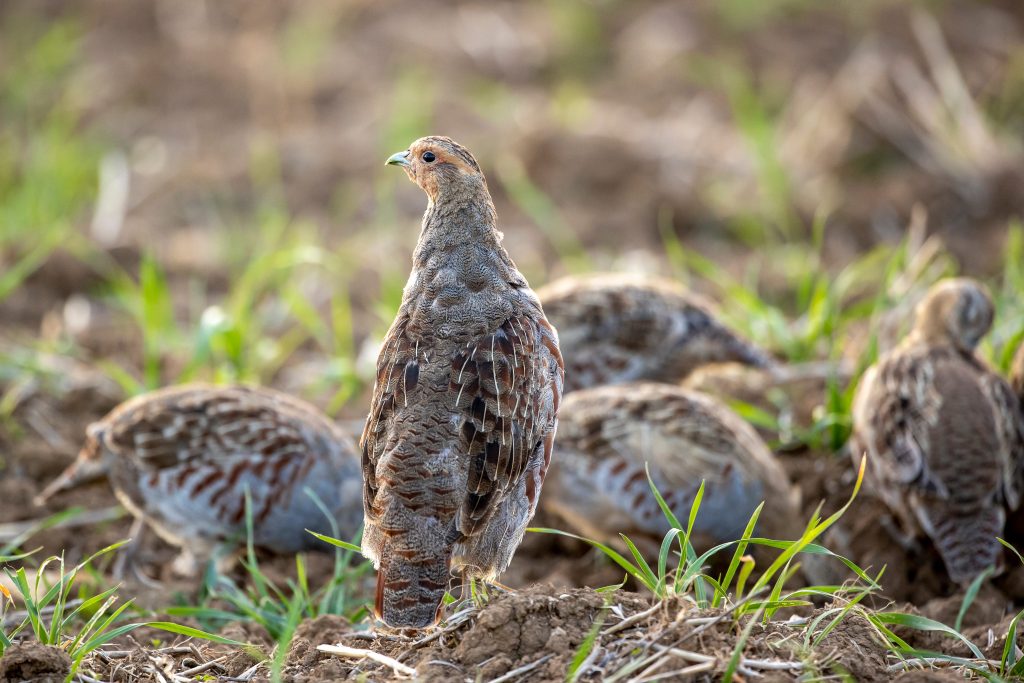
People often ask me what my favourite species is, or what my favourite part of my work is. Well to be honest, loving what you do, means you never really work a day, and secondly, how could I really single out one particular species as a favourite, (it’s grey partridge actually) when there is so much amazing variety of nature right on my doorstep.
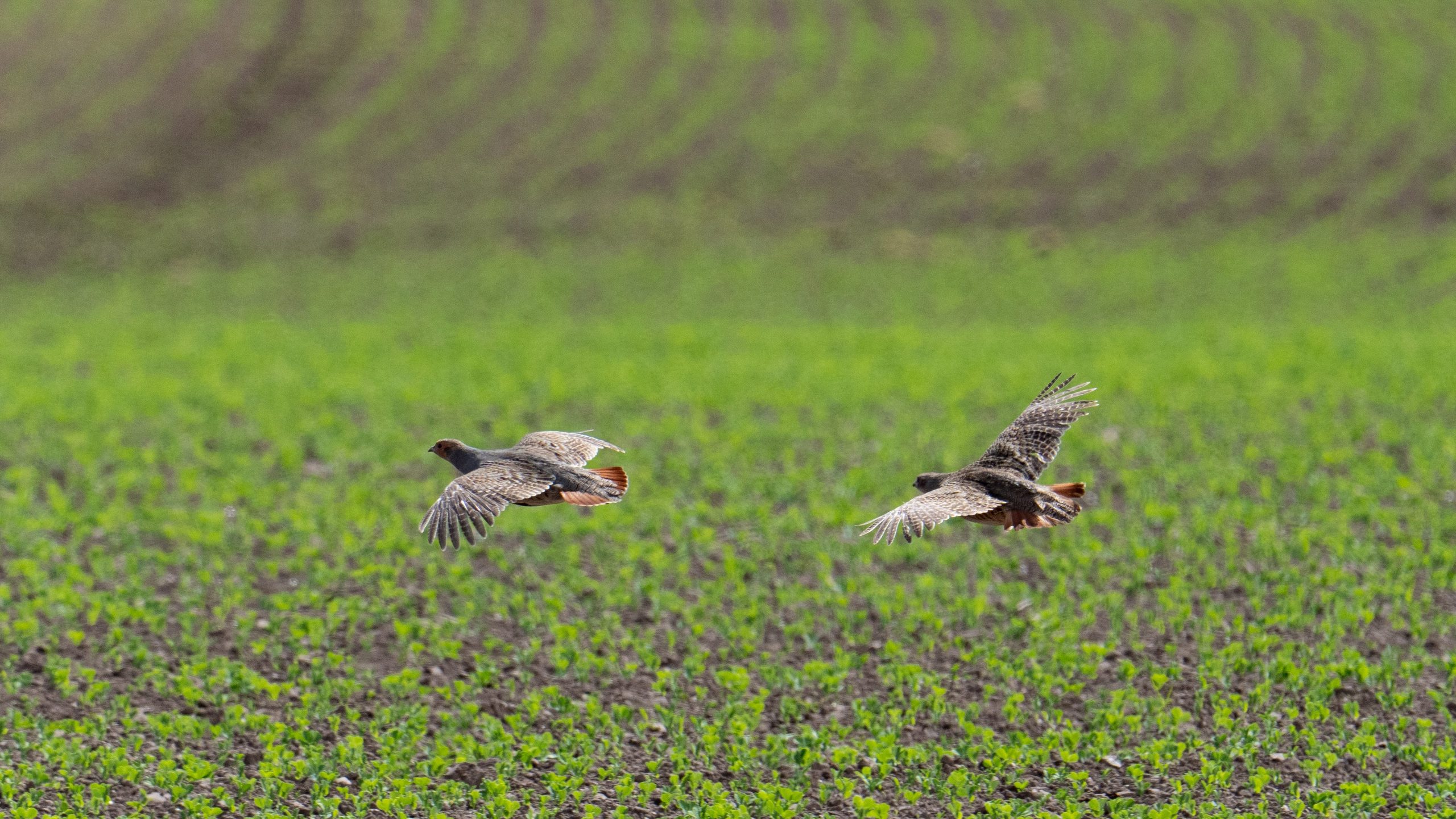
In all seriousness though, there’s a lot more to life, nature, and our beautiful, British countryside than any one species can really encompass, however, the grey partridge does, as many of us know, act as an extremely valuable “barometer” of management and a fantastic umbrella species to the benefit of countless others we know and cherish.
For those new to the notion of the above-mentioned barometer, or as it’s also termed, indicator species, a brief explanation:
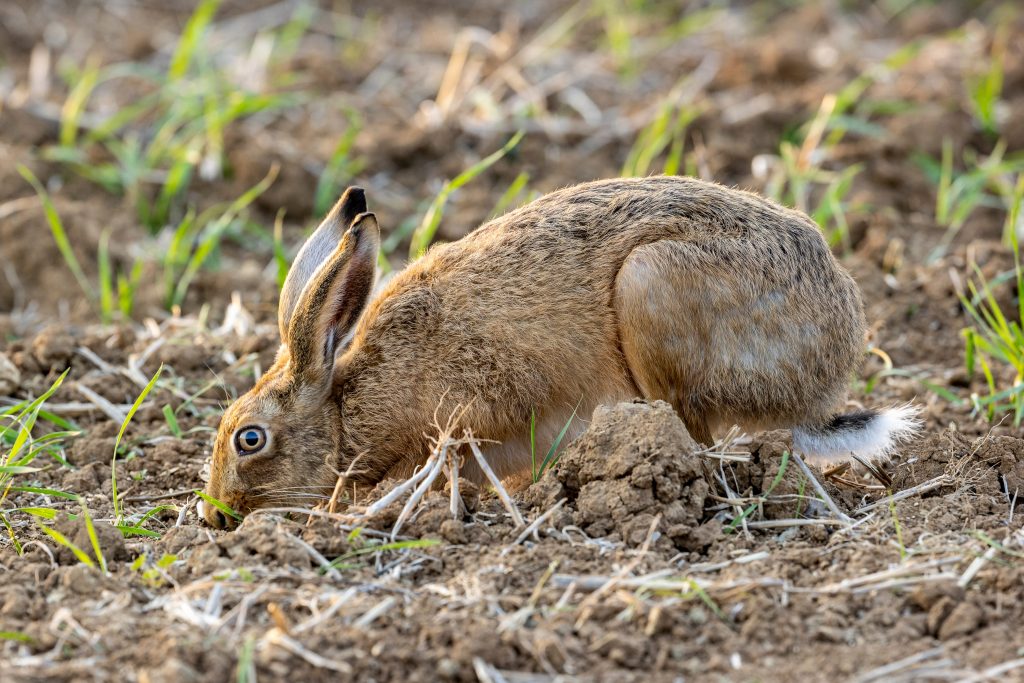
Grey partridge, along with certain other species such as the brown hare, skylark, lapwing, yellowhammer, bumblebees, even some beetles, are direct mirrors to the ecological condition of their respective natural habitats. For instance, a healthy population of skylark indicates an abundance of summer insects and weed seeds during winter. A strong population of lapwing indicates balanced livestock and grassland management, as they require specific sward (expanse of land covered in grass) and soil conditions for nesting and probing for invertebrates respectively. A healthy population of Yellowhammer indicates well managed hedges for nesting and available winter feed in the form of seeds, which can be rare in an intensively farmed environment, but plentiful within nature friendly systems. A strong population of bumble bees indicates that there are ample pollen and nectar from flowers, all spring and summer. Strong numbers of brown hares indicate a healthy mosaic of habitats across the landscape, as they thrive in a mix of arable, pasture and woodland edge. They indicate well-spaced out field operations such as mowing, harvesting and cultivation, which can be significant causes of hare losses.
Crucially, all the above, perhaps except for the bumblebee, benefit directly from the protection afforded them by effective predator control. The grey partridge thus encompasses practically all the above indications of health in the landscape, all in one. Where the partridge lives and thrives, so to do many, many other species of great importance, because the habitat, food resource and predation management is all in balance, and all sound.
Leaving space for nature is a catchy line, but really incorporating nature into everything we do in the countryside should be the goal. Putting nature at the heart of all decisions, increasing biodiversity through positive actions, while simultaneously running sustainable rural businesses. Businesses which support the employment of the very people that deliver these positive actions. That’s how we can achieve meaningful outcomes for nature, put her needs first.
As with nature and the web of life, it is all connected, it takes many parts to make up the whole. This is where it gets interesting (and some say more challenging, which I refute) because often, to deliver more for nature, we actually need a little bit less of some things, these are the low hanging fruit. A bit less chemical, a bit less hedge cutting, a bit less grass rolling, a bit less ploughing, a bit less draining, a bit less of what some call tidiness. This thinking is not groundbreaking or new, but it still has a fair way to go until it’s mainstream modus operandi across the majority of UK farms, although I feel the tide beginning to turn.
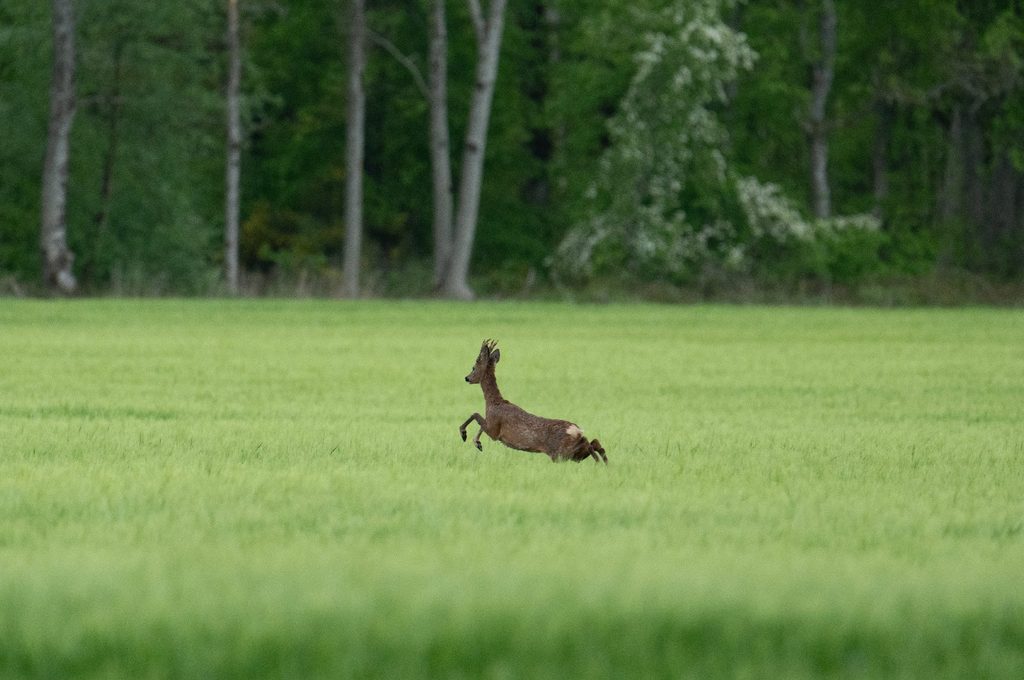
The permanent pasture on the moorland fringe around my house is an example of a bit less delivering a lot more. It’s a varied habitat where so many species find what they need, in great part because of less involvement from man, sympathetic farming as I like to term it, not “rewilding”, but also not intensive agriculture. This is a landscape that is very much still farmed, it is agricultural crops are grass for sheep and cattle, occasionally potatoes, and there is a steady rotation of forestry, used for shooting until it is felled (and replanted better every time I hope). We’re planting hedges, digging wader pools, balancing grazing with sheep and cattle at different times in different areas, carefully cutting rushes, avoiding chemicals, all to create as much of a mosaic in the pasture landscape as we have on the moorland, with a light but meaningful and deliberate touch.
The wildlife that uses this farmed landscape is incredibly wide ranging and, in many cases, rare or endangered, but here they manage to live and breed with success, bolstering their populations.
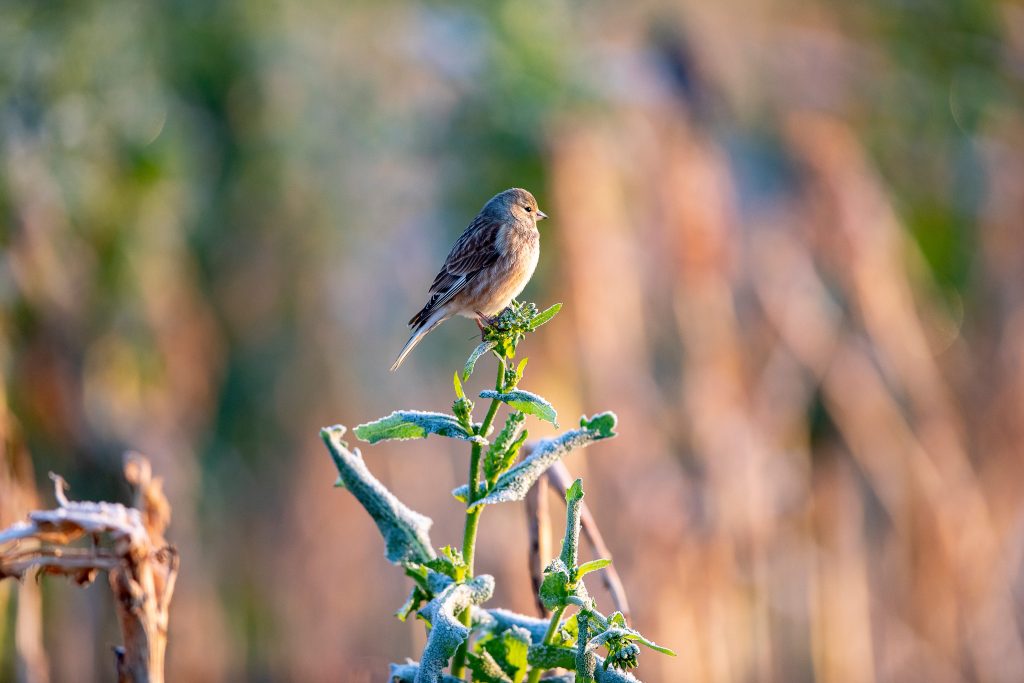
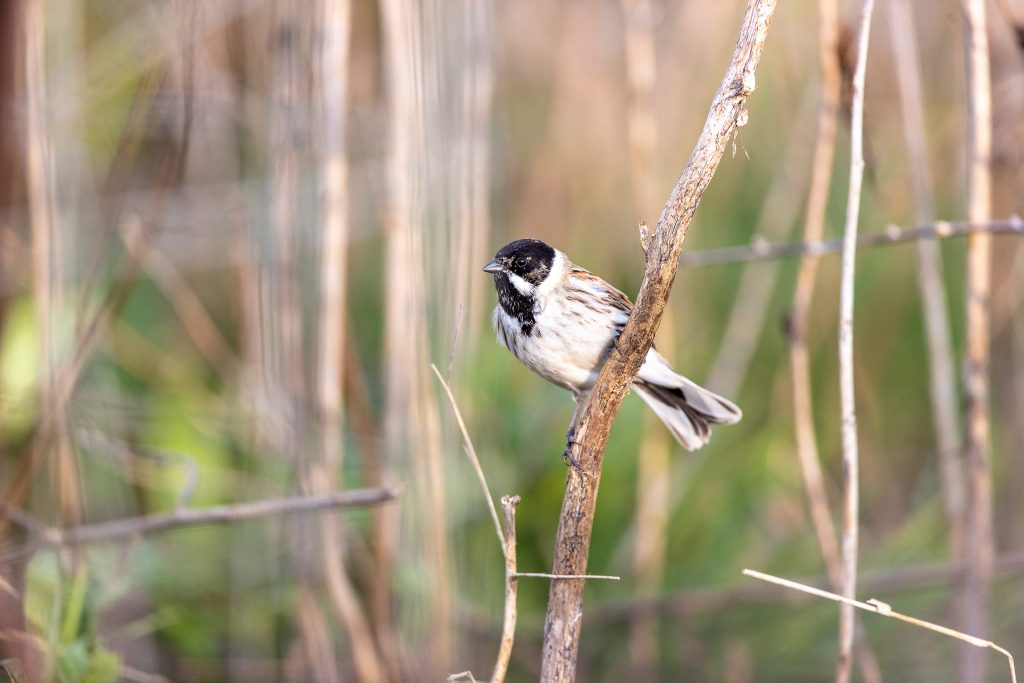
Curlew, lapwing, snipe, black grouse, skylark, meadow pipit, oystercatcher, barn owl, tawny owl, long eared owl, kestrel, red kite, buzzard, goshawk, sparrow hawk, linnets, goldfinch, bullfinch, yellowhammer, whitethroat, siskin, greenfinch, the list goes on, too many to list here, and it now includes some of my beloved grey partridge.
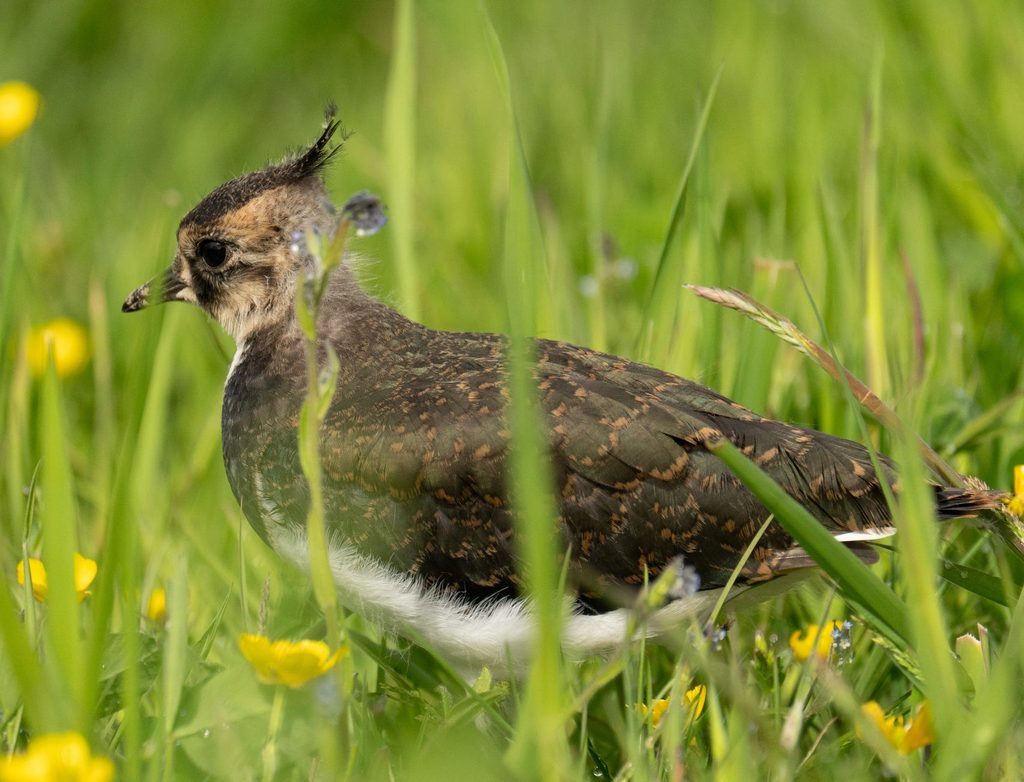
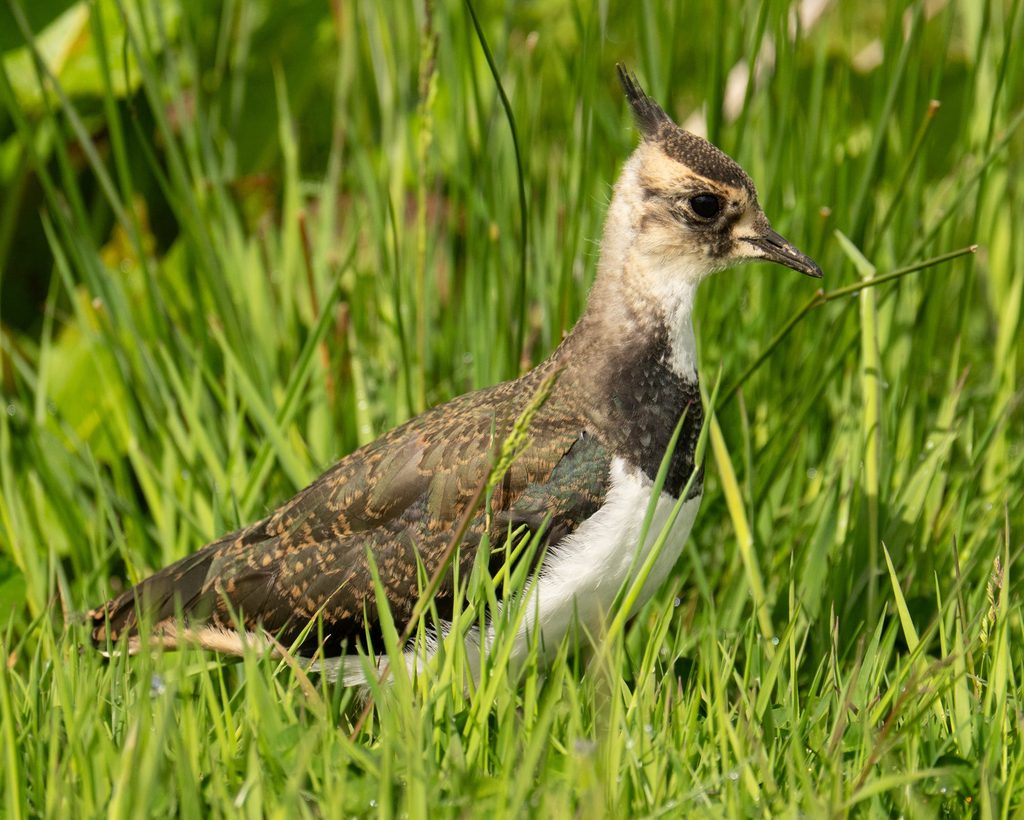
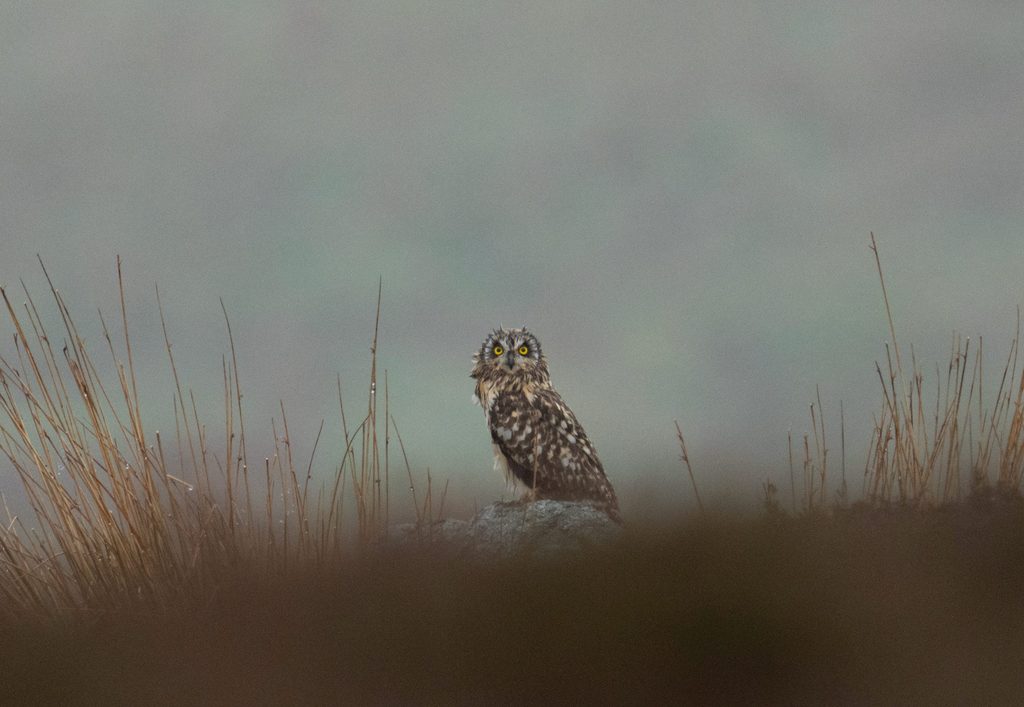
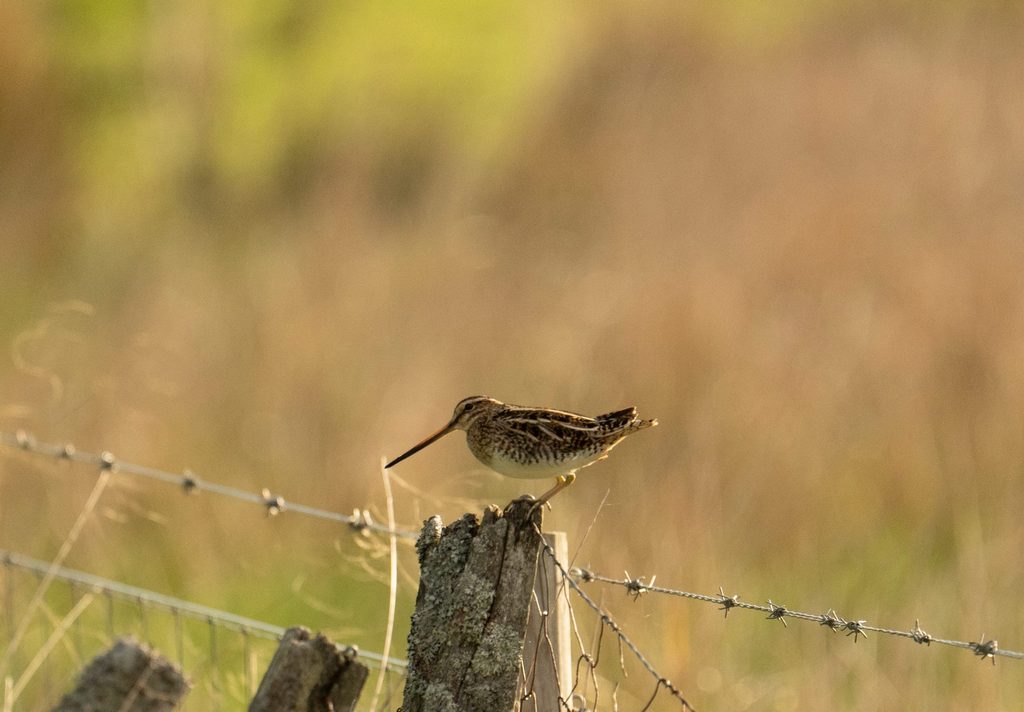
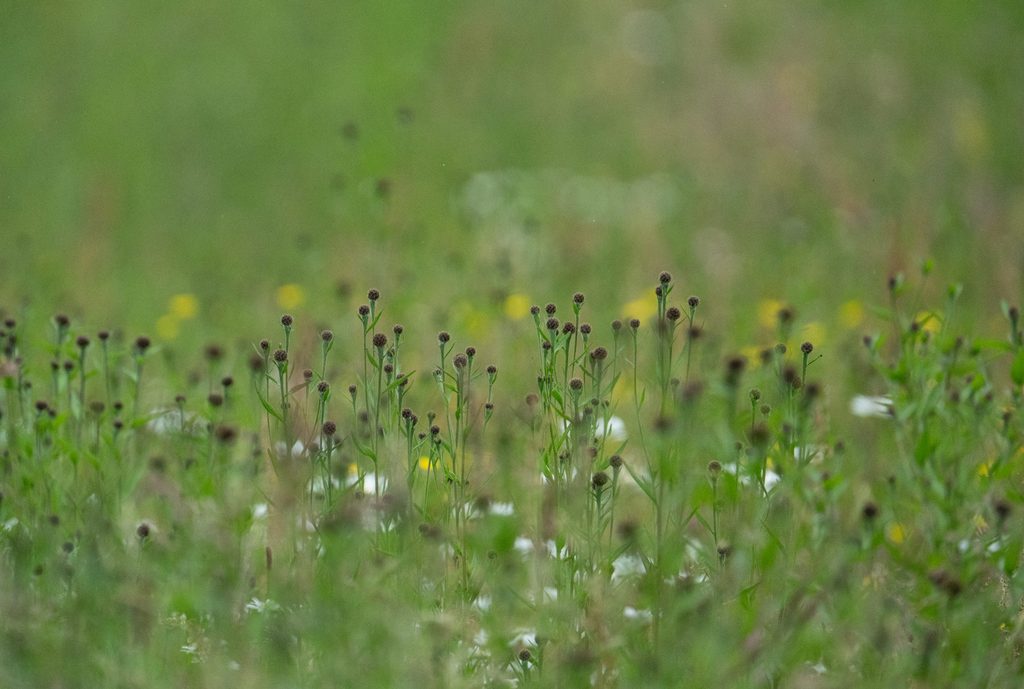
The grassland in June plays host to countless flowering plants, from bird’s foot trefoil, speedwell, starwort, scabious, knapweed, bedstraw, clover, orchids, buttercups, nettles, thistles, docks, rushes, crested dog’s tail, meadow fox tail, sledges, fescues, brome, Yorkshire fog, to name but a few. These may be considered by some as common, even disparaged as weeds, but these are integral to the life cycles of a myriad of species and considerably boost biodiversity in pasture.
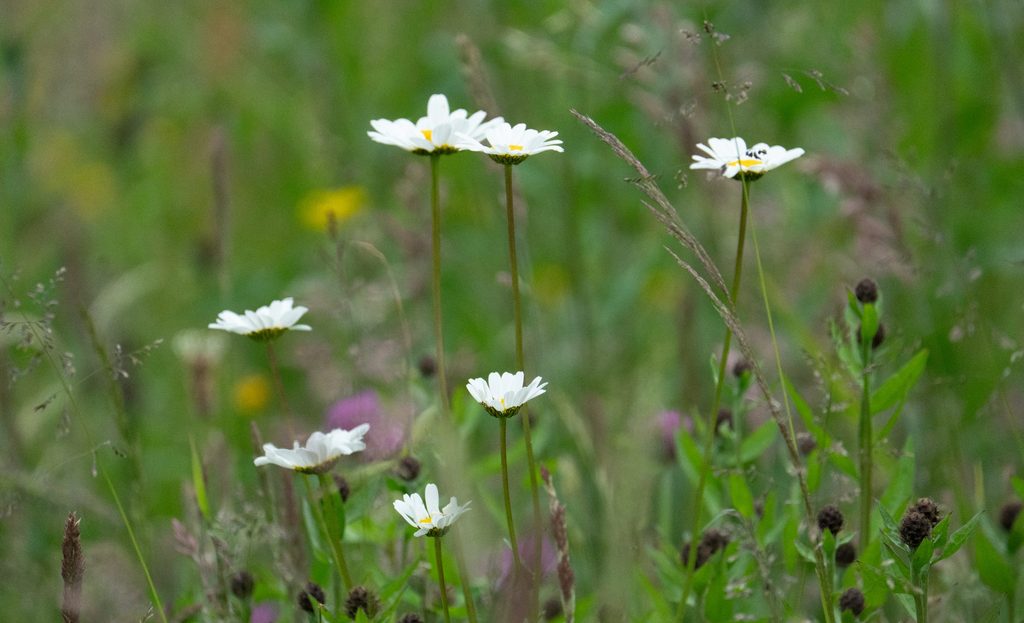
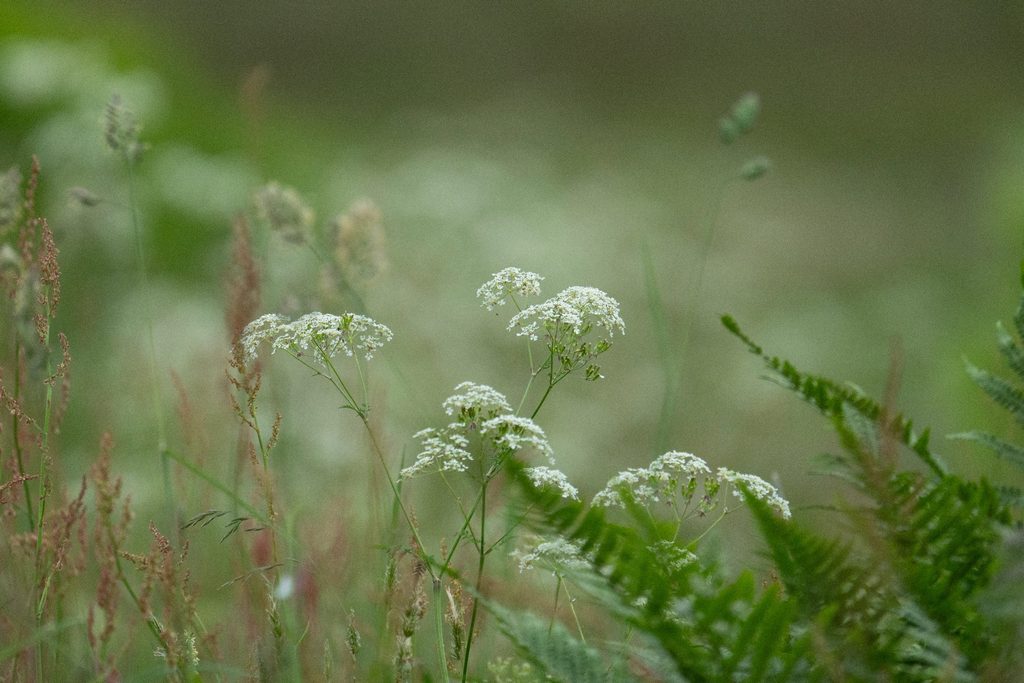
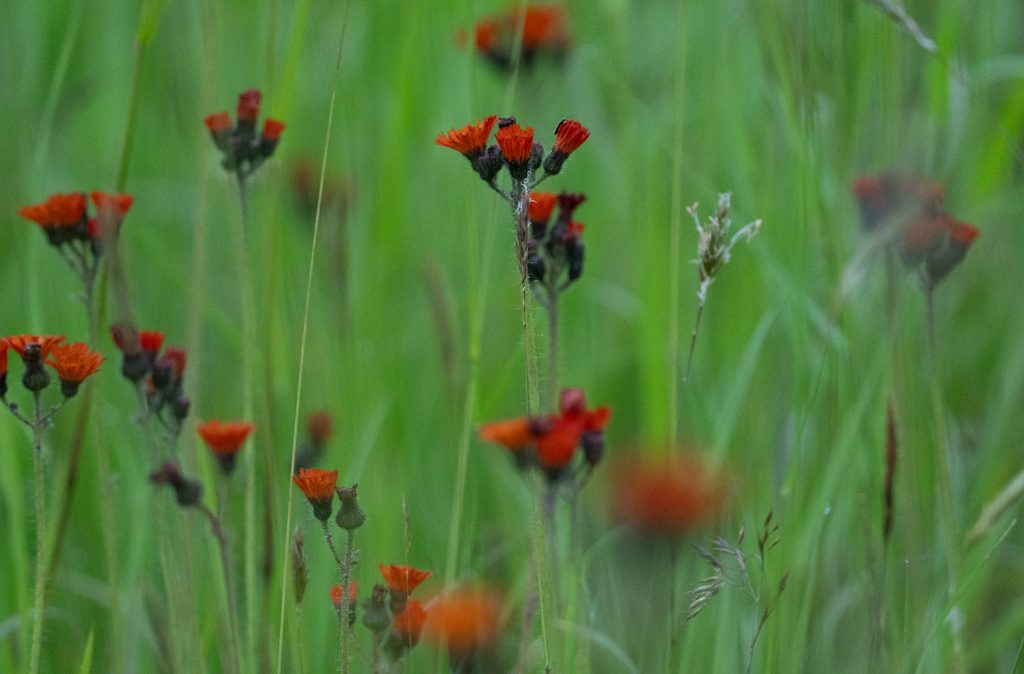
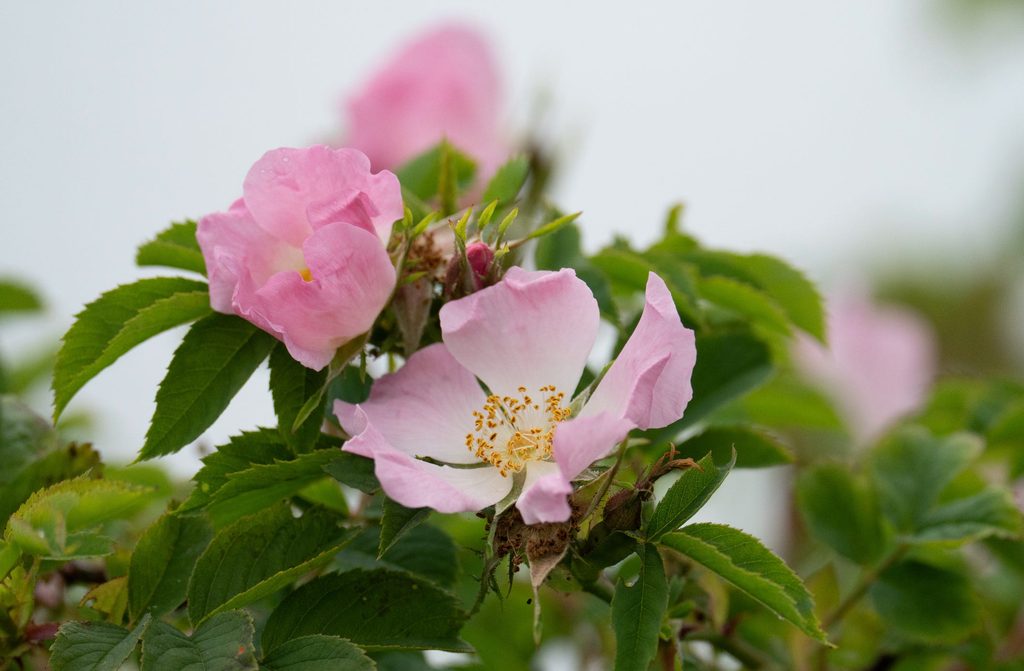
Even more impressive for their sheer variety of flora are the margins where livestock cannot reach. The roadsides, sunlit wood edges, arable field margins and ditches, wild bird seed crops, species rich grasslands and hedges, where other species like geranium, more orchids, campion, pig nuts, plantain, cocks foot, raspberries, cow parsley, broom, dog rose, fox gloves, ferns, knapweed, yarrow, yellow rattle, goose wort, vetches and many, many more thrive in abundance. With zero chemical inputs and virtually no grazing pressure, these areas become the beating, buzzing, singing hearts of the countryside in summer. Teaming with life, driven by the variety acquired over years, often decades, of simply being left alone to do what nature does best.
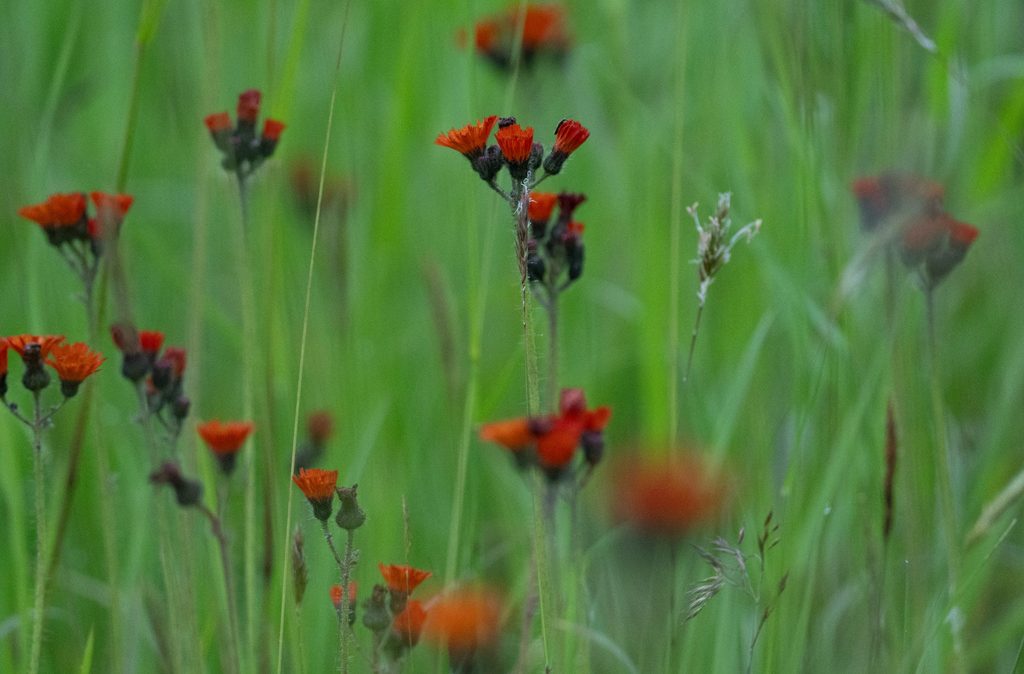
None of this was put here by man, but the way in which we interact with this habitat through our sensitive use of it, by definition, shapes it. This interaction should allow it to thrive for the benefit of everything if done correctly, and I include humans in this, as we are also beneficiaries of a healthy natural environment and thriving landscape.
Or, as sadly is all too often still the case, it could all be swept away in 10 minutes and one tank of spray if we don’t put nature at the heart of the decision process.
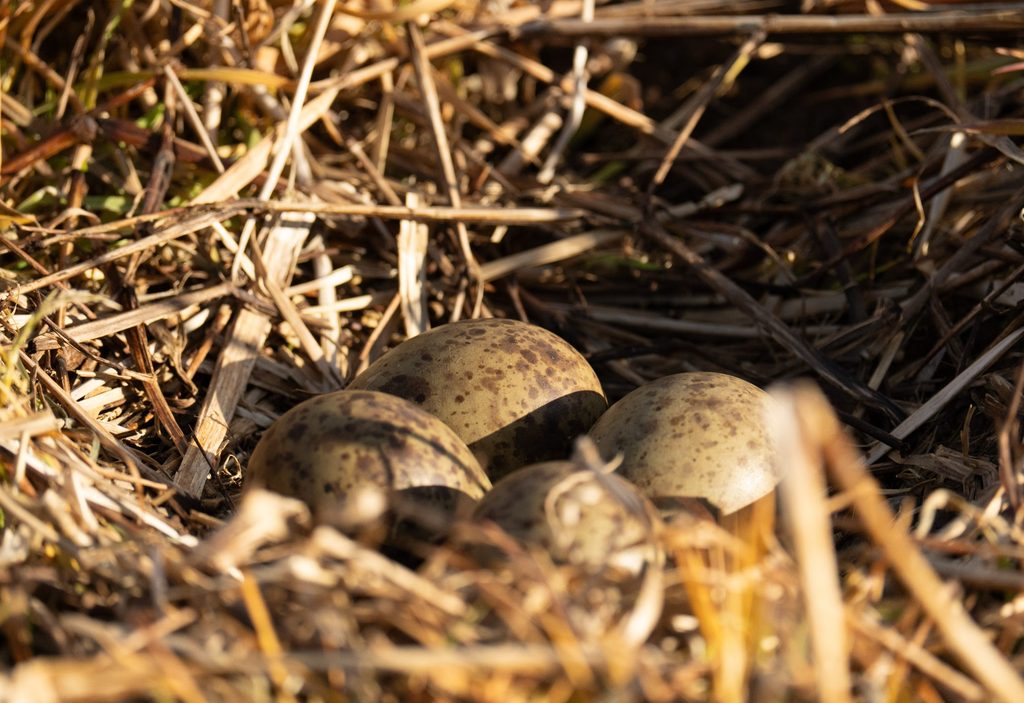
This brings me back full circle to my beloved grey partridge. It is in this beautifully natural, bountiful, wild and unspoilt space in the margins and edges, that life really happens for the partridge. It is here that cover abounds to protect them from predation and from the worst of winter. It is here that enough residual vegetation remains from previous years to allow them to hide nests effectively. Crucially, it is here that there is enough varied plant life to support the insects that their chicks rely upon in their early days of life.
What might seem like wasted space, untapped farmland, messy or weedy to a shrewd landowner or a hardcore arable set up, is in fact all that many species have left to call home these days. But these edges, these margins, these so-called weeds, this pasture free from endless chemicals, this is all so incredibly vital to so much we hold dear, that I feel it is worth making a fuss about and looking after. It is in such a landscape that I sincerely hope to see grey partridge thrive as they once did, and I will do what I can every day for them and for everything else that shelters under their proverbial umbrella.
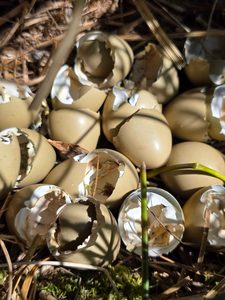
Another question I am often asked is what is the end goal for my grey partridge here, assuming it must be to shoot them. If one day that is possible or necessary, it would be fantastic, but it is not the driver for me. Personally, it is about the enormous benefits to so much else that come because of management aimed at this charismatic bird. The greys themselves are the focal point, but the light bounces off them and touches everything around them.
A focal species is a fantastic motivator for positive action; thus I would encourage anyone in land and wildlife management to find theirs, and let it take you places, follow it and do what you can for it. It’s both rewarding and healthy, far beyond the usual metrics, to give back what you can to nature or a species you cherish, doing what you can with what you’ve got.
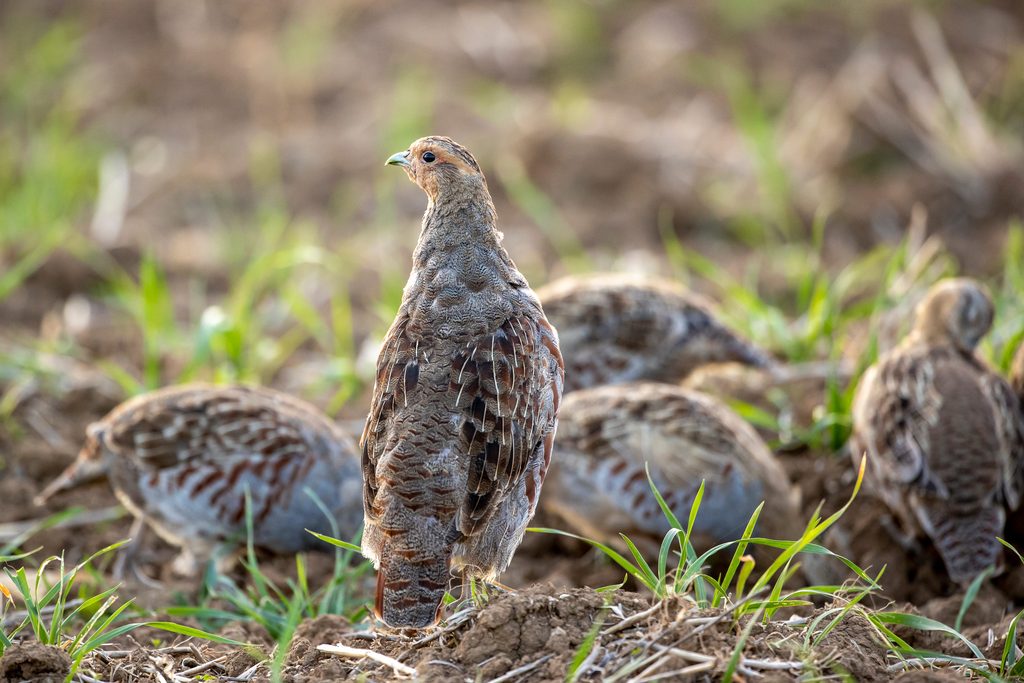
Real working conservation doesn’t have to be big and cost a fortune; it isn’t only for prestigious players and “those who can afford to go green”. It can be in your garden, one field, one farm, a cluster of farms, on one acre or ten thousand, it matters not.
What matters is the mindset and the desire to do the right thing, for the smallest of things, starting in the margins, the edges, hedges, ditches and verges, and then spreading that mindset out and giving it wings, joining the dots, and joining arms in our collective efforts to leave the land better for our children’s children.
Without wishing to perpetuate the usual arrogance of humans, we do have the knowledge, we know where man went wrong and where we need to be, we know what is right for nature. If we all play our part to this end, we need only the power of our convictions to guide us to a better place, with nature at the heart of every decision we make.
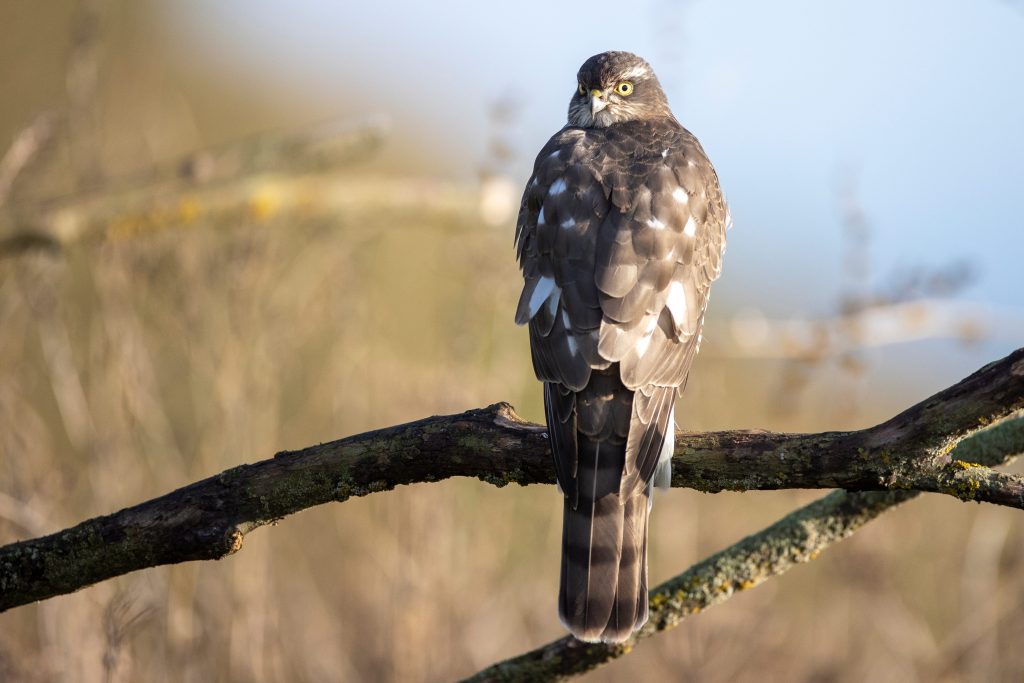
So, here is my proposal to you…
Get up close to something, marvel at it, study it, appreciate it and let that appreciation become infectious, then infect someone else with it and tell them to pay it forward, and so on until we are all in step, boosting biodiversity and recovering nature everywhere we possibly can, on every available metre, on every farm, park, verge and common across Britain. We have something special beyond words in the margins of our countryside, a place of life, and stoic, unassuming resilience, look closer, see them for what they are, treasure them dearly, and spread the word.
Written by Josh Burton
Subscribe Today
Join us on our Substack journey to educate, share and explore the countryside, its communities, wildlife and heritage.