
These modern buzzwords dominate environmental debate. They are broad, big-picture concepts that, in principle, look good and are easy to embrace without needing to understand the ecological detail. Simple to market when people are short on observation, curiosity, or indeed engagement with their local environment. Repeat them often enough, and they become articles of faith. People are drawn into the reassuring embrace of ideological identity, and before long everyone is congratulating one another. We all know Kool-Aid can be addictive.
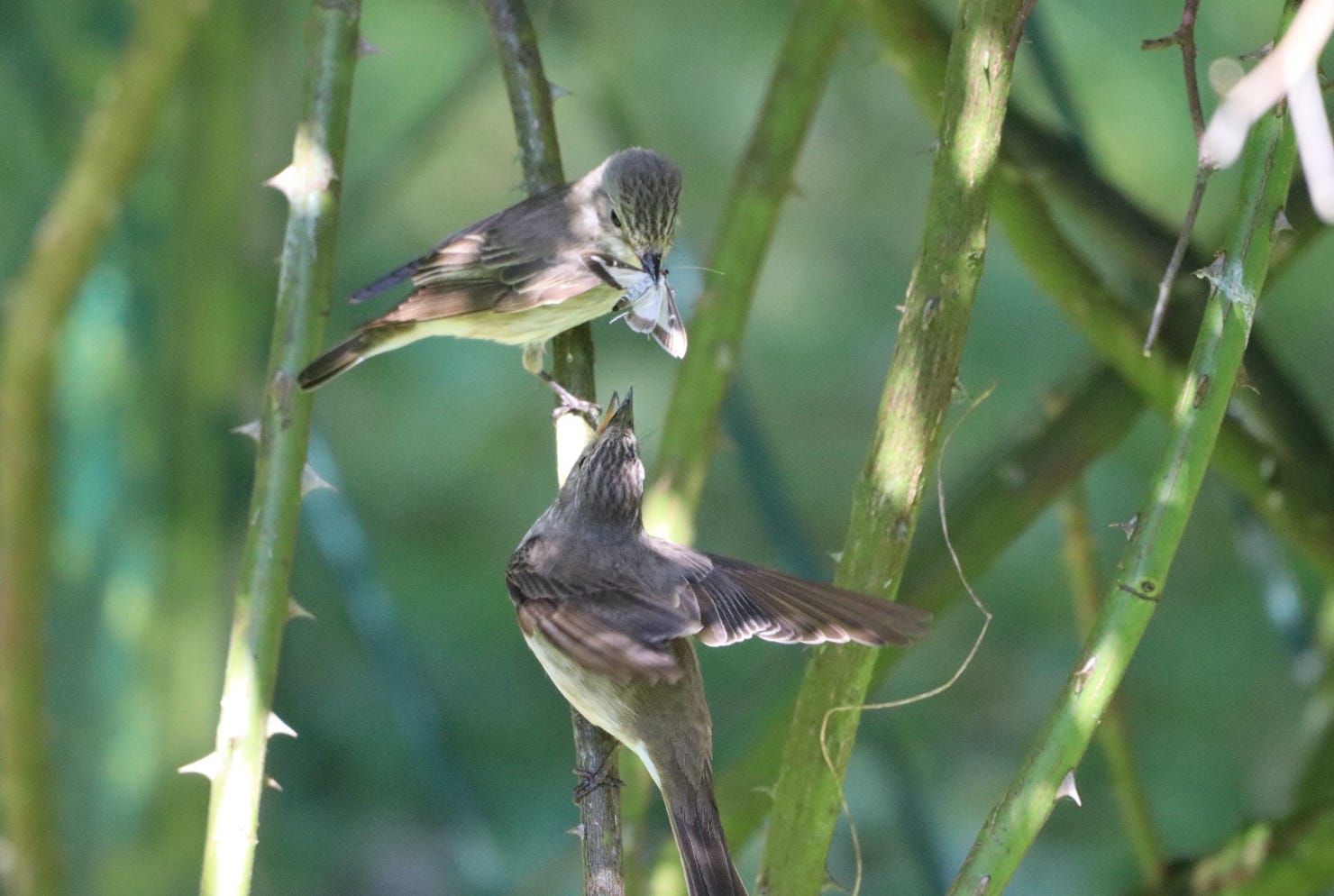
But I increasingly ask myself: has biodiversity become detached from bio-abundance? We celebrate biodiversity targets while so many people experience less wildlife than they did a generation ago. Fewer insects on windscreens. Fewer swallows over fields. Fewer lapwings, curlews, sparrows – I could go on and on. Somewhere, our language of conservation seems to have drifted away from our lived experience of abundance.
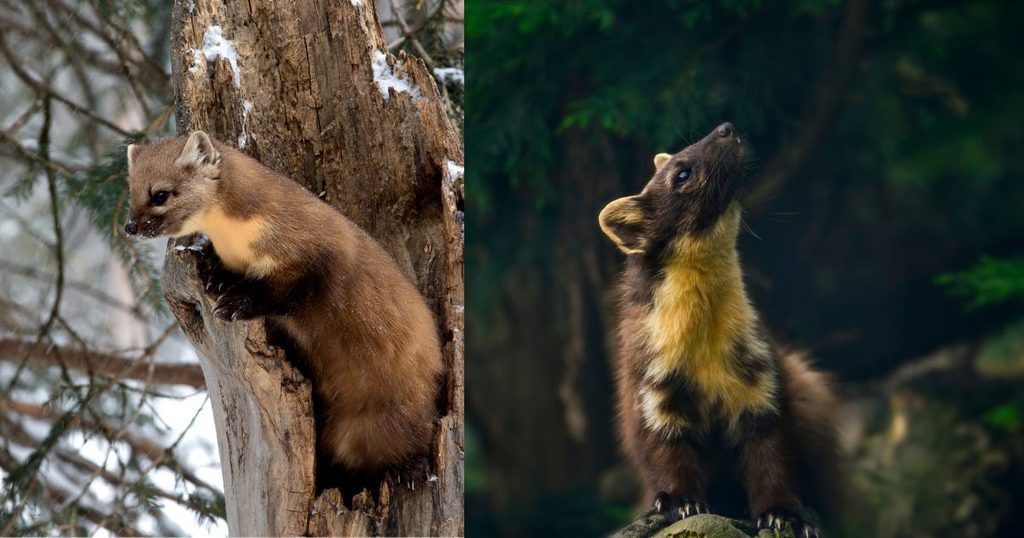
One such recent celebration followed the release of pine martens onto Exmoor. LinkedIn was filled with congratulatory posts accompanied by photographs of these engaging, fierce, but undeniably adorable animals. Amid the applause, I asked a question:
Is this really such a good thing? Is this really the number one conservation priority for Exmoor?
My suspicion is that the answer is uncomfortable because addressing the declining breeding success of birds is a much harder alternative. It involves how we manage farmland. It means asking farmers to delay mowing silage or hay. It means accepting that, in some places, predator management may also be necessary. Without those conversations—and particularly the last issue—many farmers understandably ask, “Why would I do that, and what’s the point?”
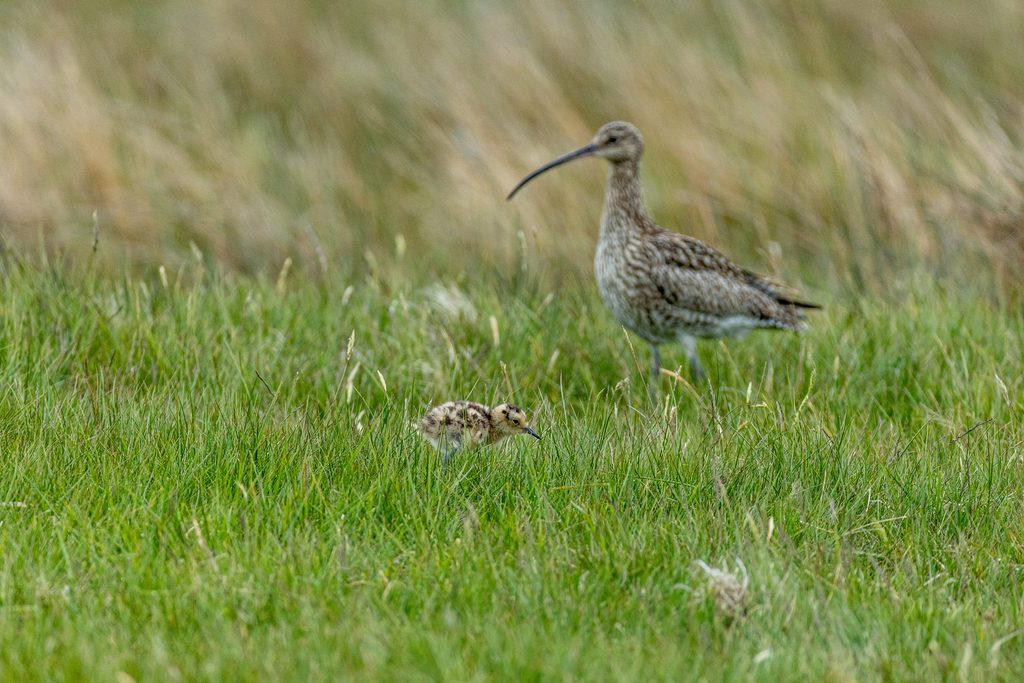
Instead, the public gets beautiful photographs of pine martens, everyone celebrates biodiversity, and I become the awkward person raining on the parade. If that is my role, then so be it. But we will never have an honest public debate about conservation if every discussion involving farming and predators is shut down before it begins—despite a substantial body of scientific evidence showing these interactions matter.
When I asked how pine martens would increase biodiversity on Exmoor, I was told they would help red squirrels. Now, pine martens may have an important role to play by dispersing grey squirrels, leaving less competition for the reds, and reducing the threat of infectious disease. But there are no red squirrels on Exmoor.
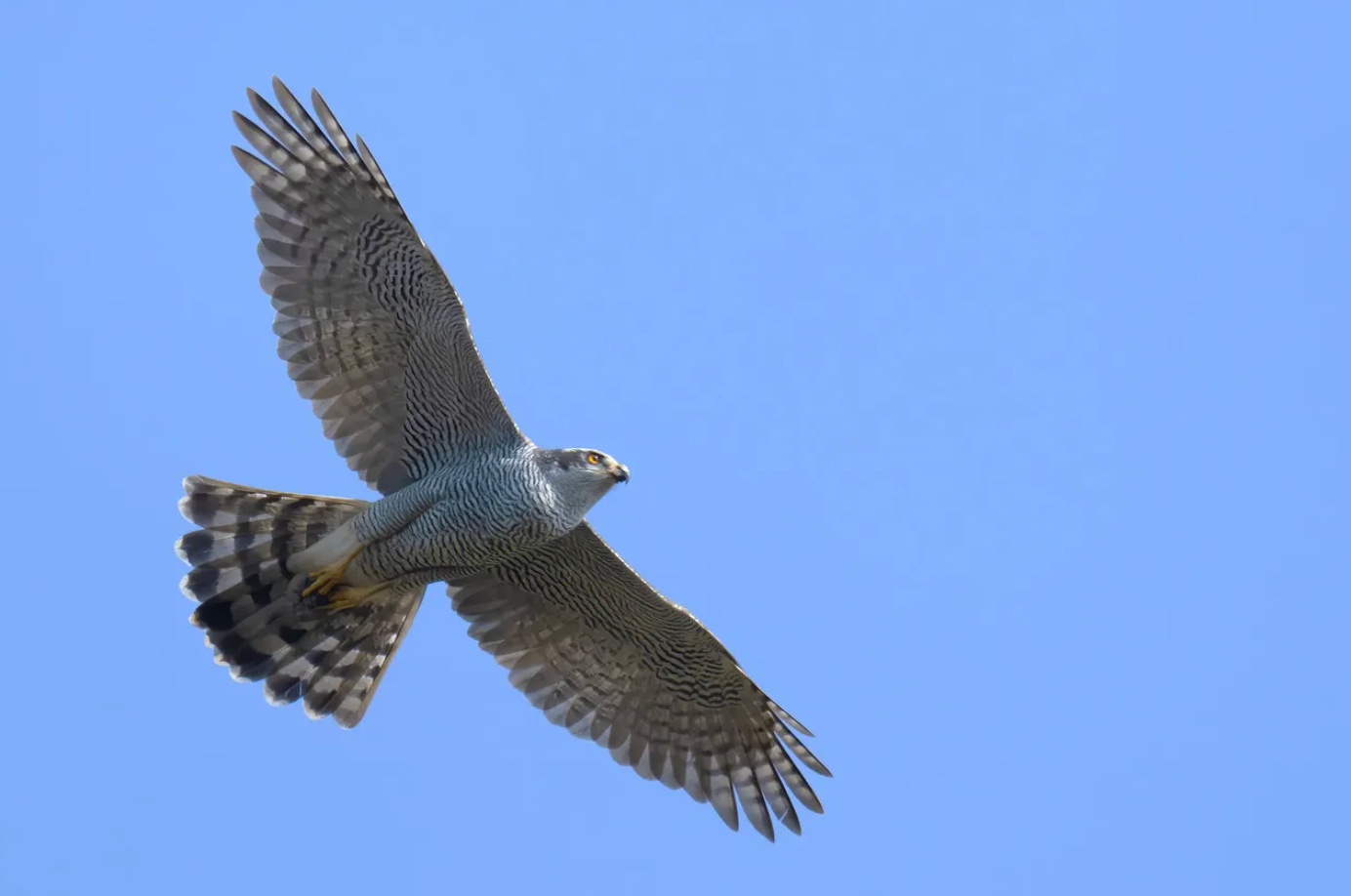
The conversation then moved to trophic cascades and restoring natural processes. I understand the theory. Yet ecosystems depend on balance, and there is very little on Exmoor that naturally preys upon pine martens. Perhaps the occasional goshawk? So, they, in turn, simply add to the existing challenge in the UK of an abundance of meso-predators.
Then came recommendations for pine marten bait stations. So, we are not restoring natural processes – we are actively manipulating predator success. I suspect it is a way to guarantee success—and plenty of clicks on social media—by providing excellent photographic opportunities.
I asked the question again: How does this increase biodiversity on Exmoor? To me, it seems just as plausible that adding another efficient meso-predator could reduce biodiversity, particularly where ground-nesting and cavity-nesting birds are already struggling. Pine martens are not your highly evolved niche predator, unlike, for example, a merlin – they are opportunistic omnivores. Studies in Scotland and Ireland suggest their diet is made up of around 25% birds and their eggs – not insignificant, especially when a large proportion of that comes from raiding nests
The response was an article explaining that biodiversity has economic value. Fine—but that was never the question. Once again, the conversation drifted away from ecology and towards slogans.
I looked up all the literature on this release, and nowhere could I really find an explanation of how they help biodiversity, by what they eat, except to say they may help the red squirrels, which don’t exist, and how they were present two hundred years ago, when the world was a different place.
In my recent book, One Day a Thousand Songs, I describe recording thirty-eight bird species in our garden during a single day last May, with twenty species breeding successfully. I argue that this was achieved through three inconvenient principles: avoiding chemicals, minimising disturbance, and undertaking some legal predator control. Rather than discussing the ecological outcome—thirty-eight species and twenty successful breeders—some criticism focused on my inconvenient truth regarding predator management, and even the company I keep!
If we all had three successful spotted flycatcher nests, eighteen successful broods of house martins, two fledged buzzards, and a colony of fifty common blues, alongside brown argus and small coppers, then question my inconvenient truths. But we don’t. Unfortunately, I am an island.
This illustrates precisely the problem.
We desperately need an open conversation about farming and predators. Yet talking honestly about conservation is arguably more difficult today than it was five years ago. Increasingly, environmental debate has become dominated by ideology and fashionable vocabulary. Somewhere along the way, many people seem to have lost touch with the ecological realities those words are supposed to describe.
We have reduced our relationship with nature to a language of targets, policies, and metrics so abstract that we have weakened the emotional connection that inspires curiosity, care, and genuine stewardship. In our pursuit of measurable goals, we have neglected something equally important: wonder, belonging, and responsibility towards the living world.
So, alongside the farming and predator conversation, let me add another:
A conversation about connection.
Because biodiversity is not simply a count of species. Healthy ecosystems are also characterised by abundance—by insects filling the air, birds filling the dawn chorus, flowers filling the verges, and the countless interactions between them. Conservation should aspire not merely to prevent extinction, but to restore that richness of life which people can see, hear, and experience.
Connection to soils, fungi, water, flora, insects, and food webs. To the intricate relationships that underpin healthy ecosystems. If we begin there, we may eventually arrive back at pine martens—but we will do so with a much richer understanding of everything beneath them, prioritised in a more logical ecological sequence.
Until then, we should stop feeding people top-down conservation narratives and lazy tropes about predators. We are not Yellowstone.
In my search for more curiosity, I could be more provocative:
Rewilding = more wildfires ( see The Sunday Times, August)
Net zero = fewer organic chickens (see The Guardian, August). Really?
Biodiversity or bio-abundance? (Me, August)
But I am trying not to polarise the debate. I simply want a debate—a polite debate.
Nature is not clickbait. It is not a collection of ideologies or endless pages of “oohs” and “aahs”. It is a serious matter of life and death. It demands understanding rooted in pragmatism, ecology, connectivity, and listening to communities who manage the landscape every day. It seems that, in the rush for devolution, this bit is ignored by national policies.
We continue to mistake proxies for reality; so, we should not be surprised when our environmental policies become increasingly detached from the living systems they are supposed to protect. Modern conservation has become too comfortable confusing indicators with outcomes.
Biodiversity, net zero, and rewilding are indicators:
The outcome should be the abundance of life.
The strongest conservation argument for pine martens is the grey-squirrel/red-squirrel interaction, not protecting birds from grey squirrels.
And the strongest argument against pine martens is not ordinary songbirds either. It is specific vulnerable bird populations where nest predation can be important, particularly capercaillie.
24% diet ground and cavity nesters
Written by John Miller
Subscribe Today
Join us on our Substack journey to educate, share and explore the countryside, its communities, wildlife and heritage.