
You may think winter is a quiet time of year but there is lots going on, animals are hungry so are forced to feed and with the lack of leaves and cover can be easily observed. What you do have to remember is that you are easily observed too, and they are better at it than you. When you are out move quietly, use your senses, listening and sensing movement, stop and stand still, let your eyes focus.
Woodland looks bare but in its nude state it is a good time to observe the majesty and form of trees. Examine the different textures of bark, the shape of the branches and the many unique buds. The hazel is the first tree to flower, adorned in beautiful yellow catkins, lambs tails is a country name. Catkins provide the first pollen and nectar for insects, give the catkins a flick when they are bright yellow, and a great puff of pollen will be released. The catkin is the male flower, take time to look and spot the tiny crimson female flower, this is where a nut will develop.
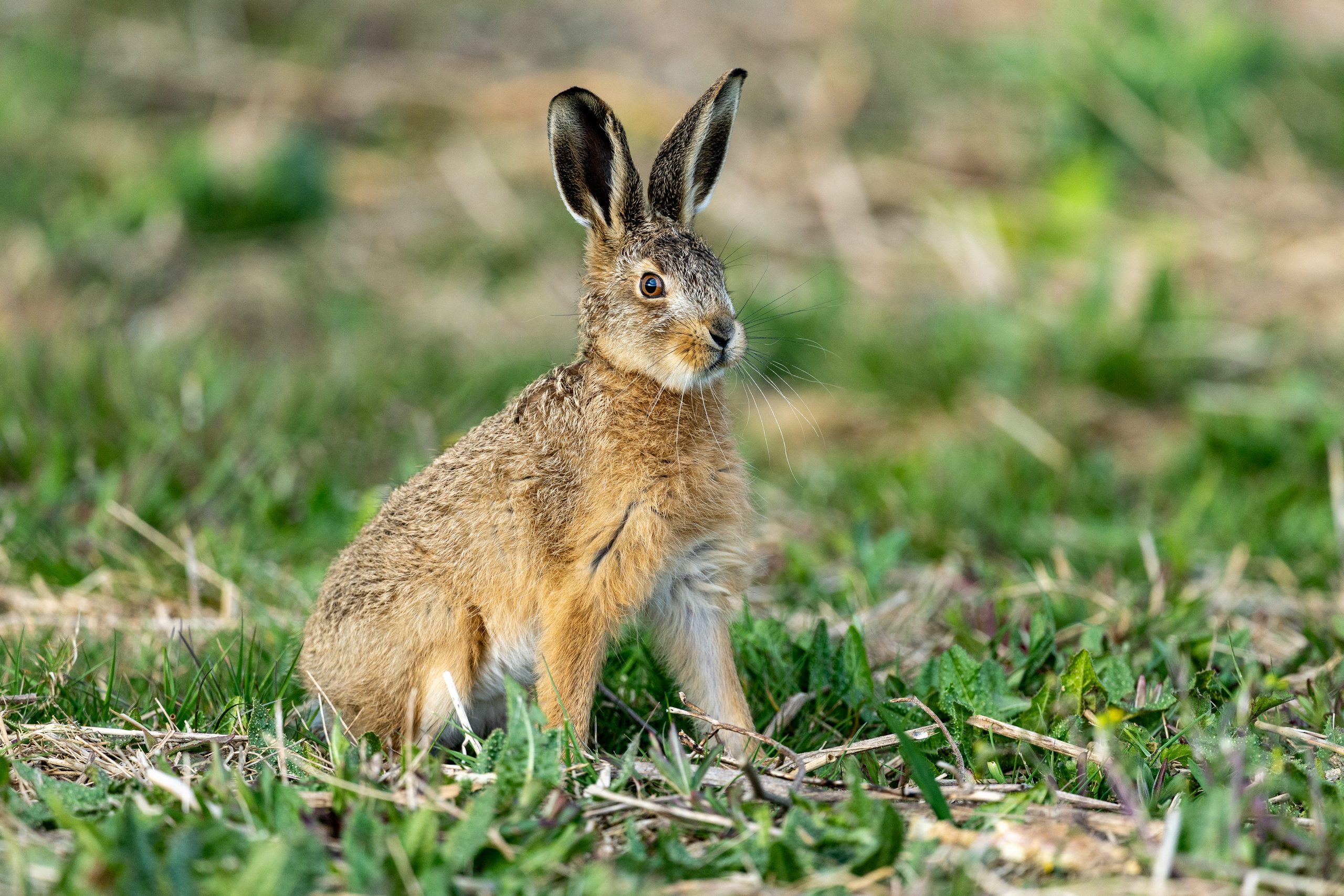
Now look on the floor, in the leaf mould there may be some nut shells with holes in, these holes are give-away signs of what may have devoured the contents. A round smooth hole is a dormouse, a more irregular hole a wood mouse, voles and other small mammals will leave their marks, they are all nocturnal feeders. You will more than likely see grey squirrels feeding on the ground at this time of year, looking for acorns, (from oak trees) beechmast (from beech trees), conkers (from horse chestnut trees) and chestnuts (from sweet chestnut trees). Deer will also be looking for what is left of nature’s bounty, often all you will see is white bottoms bouncing away from you, they would be roe deer. Muntjac are a small deer and quite vocal giving a bark when disturbed. Fallow and Red are the larger deer. Fallow have palmate antlers, (flat like the palm of a hand) and come in four guises, black (melanistic) white (leucitic) spotty (menil) and common, plain chestnut but have spots in the summer.
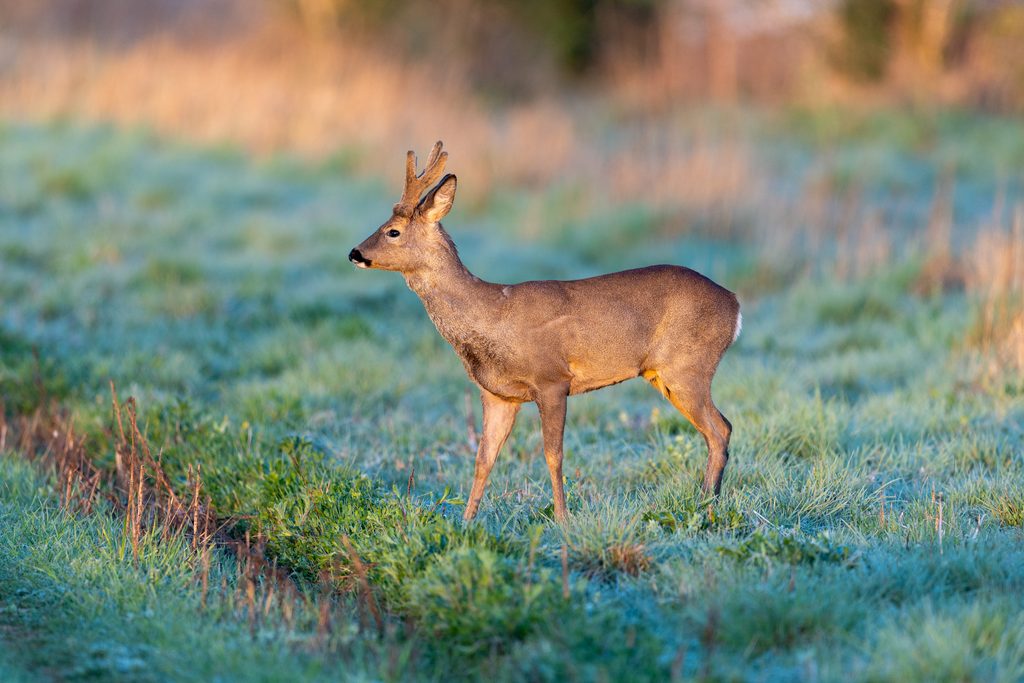
Look on the ground for tracks and poo, the tracks are call ed slots and the poo fumets! The smallest birds we have are active looking for insects in tree barks nooks and crannies, wrens, gold crests and tree creepers, a flash of white moving up and down a tree trunk gives them away. The woods may contain evergreen trees, pines, firs, and yews, it is worth looking underneath to see if you can see any owl pellets, grey and oval with tiny bones poking out. The pellet is what the owl cannot digest, fur and bones and are sicked up, often revealing the owls daytime roosting spot. Look up, you could see a pair of large brown eyes looking back at you. It will most likely be a Tawny owl, if the eyes are orange and the owl has ears then you are very lucky, it’s a long-eared owl.
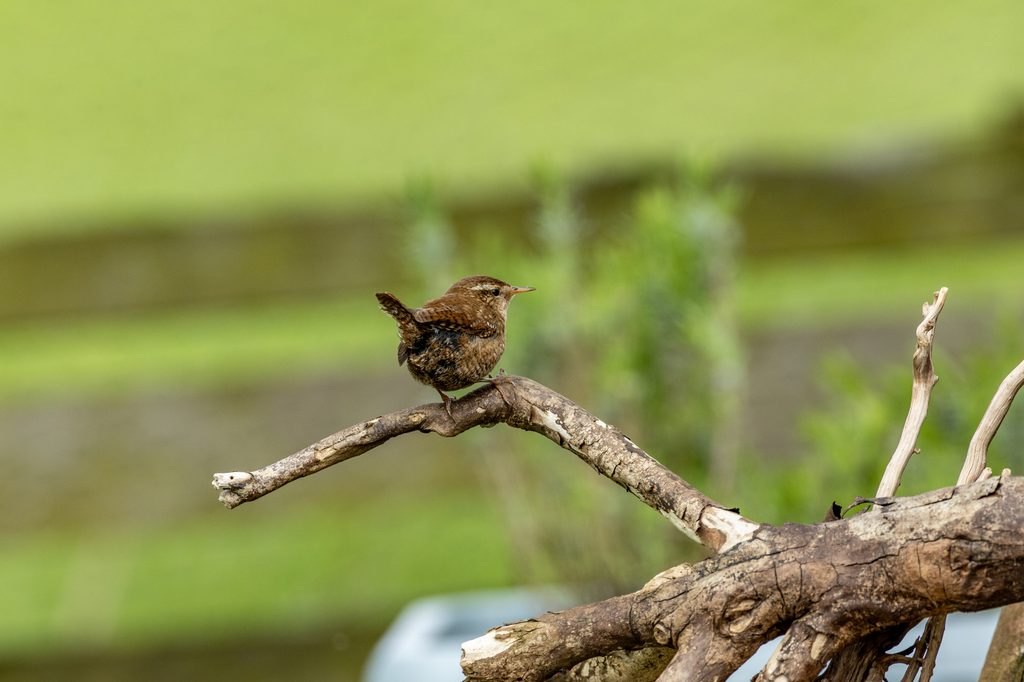
Walking through woodland you may hear a cock pheasant cock-up or a black bird, ticking followed by a blue grey streak negotiating trees as if they weren’t there. Piles of feathers from a half plucked decapitated body, murder most foul, or an act of predation. A sparrow hawk or goshawk would be the culprit both incredible woodland hunters. The woodland floor will be coming to life too, snow drops and the bright yellow aconites, green shoots of bluebells, dogs mercury and wild garlic add more colour to the brown earth, and there is a scent of spring.
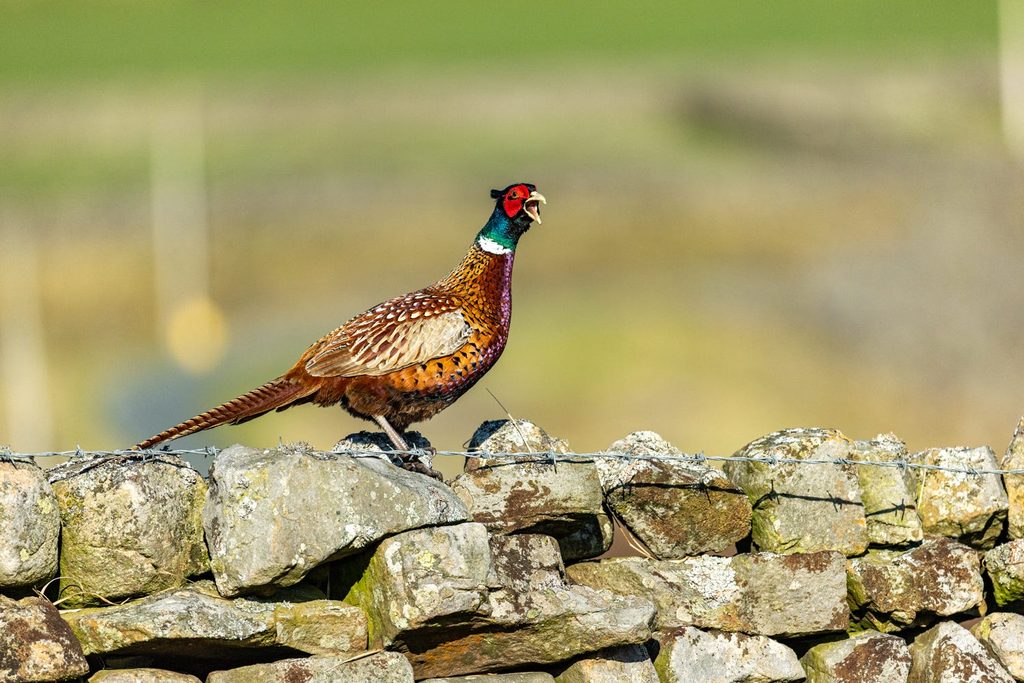
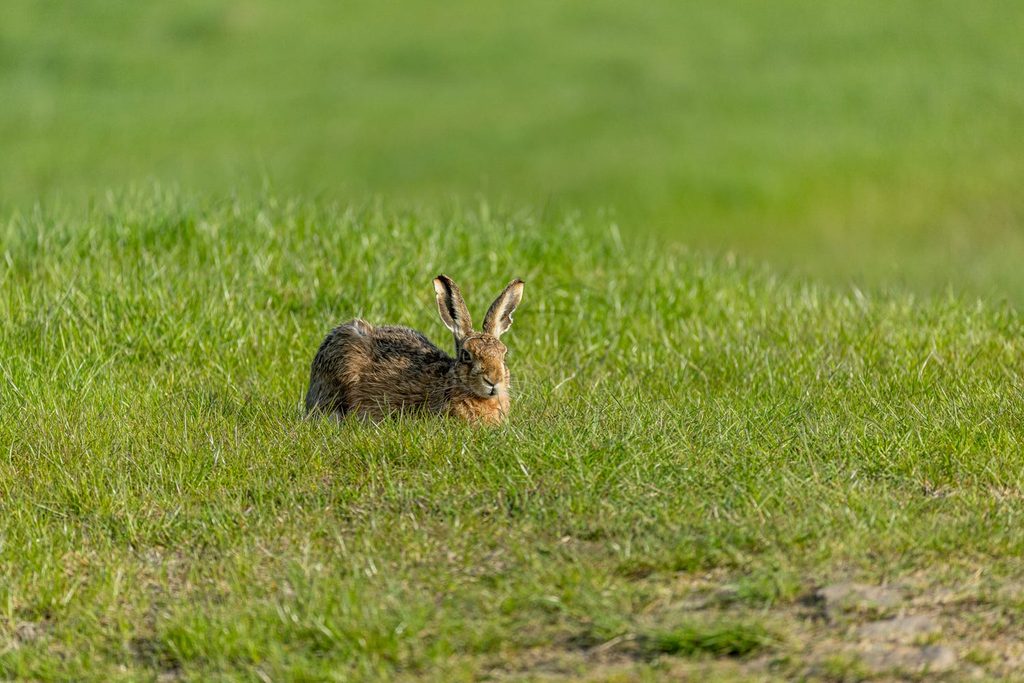
Sitting or standing still often pays dividends letting nature come to you. A brown hare can often lollop up so close you can see his whiskers, it is also coming up to mating time for hares, this is when you can see groups of hares chasing each other around. At times they will stand on their hind legs and box, this erratic behaviour give us the phrase of “the mad March Hare”
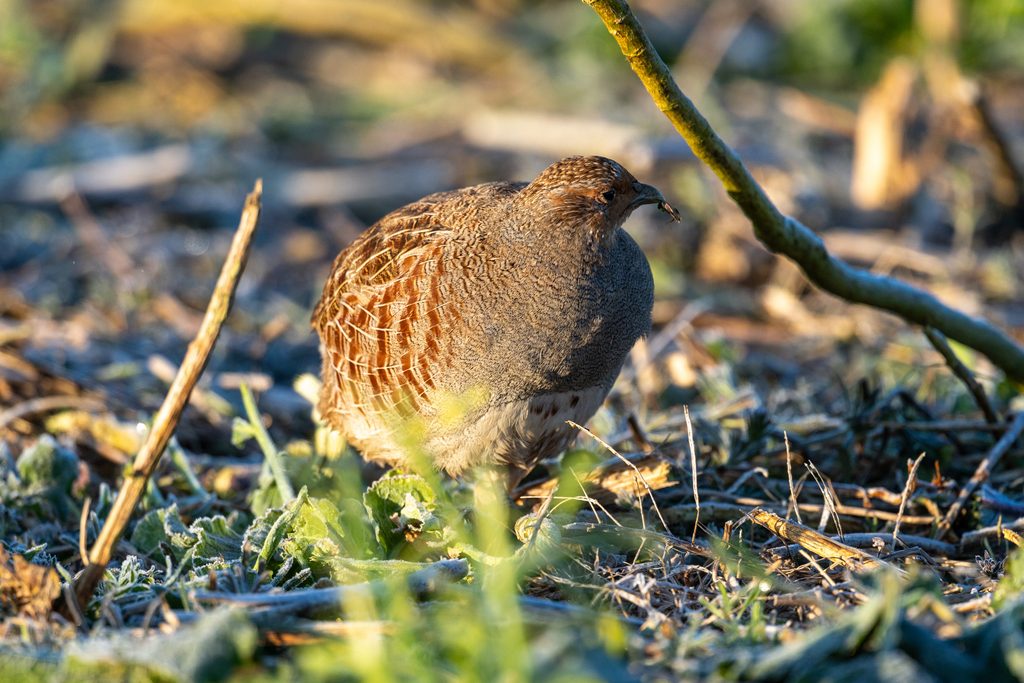
The open farmland gives us a different look at nature; the fields may contain different crops or livestock each will attract different animals. Flocks of rooks and jackdaws will be around sheep and cattle feeders, large flocks of inland seagulls will feed around outdoor pigs. Buzzards and kites will be looking for worms and any other food on a freshly ploughed field. Pheasants, partridges and rabbits will not be far from the hedges. Most of the partridges will be Red legged partridges. If you are lucky there may be grey partridges, a brown bird, the male has a large chestnut horseshoe on his chest. In winter they live in family coveys, foraging for small seeds by day, jugging out on the ground at night, huddled together for warmth and safety. In late winter if the weather is kind they will start to pair up for the spring, which can cause some argy bargy from love rivals. They are a vocal bird at dawn and dusk where there creaking calls accompanies the changing light.
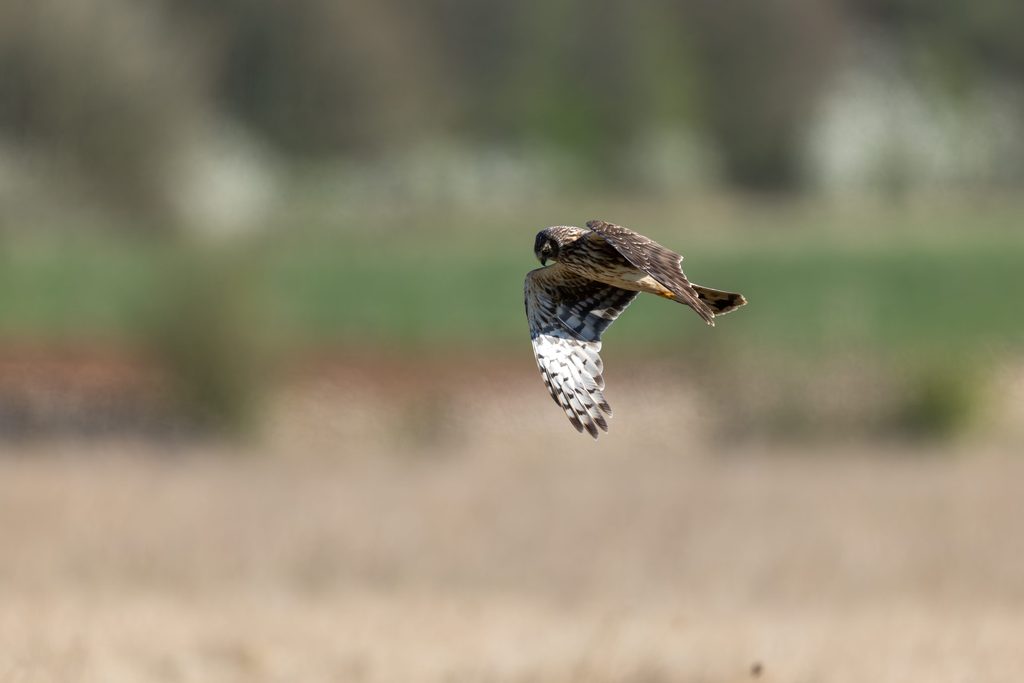
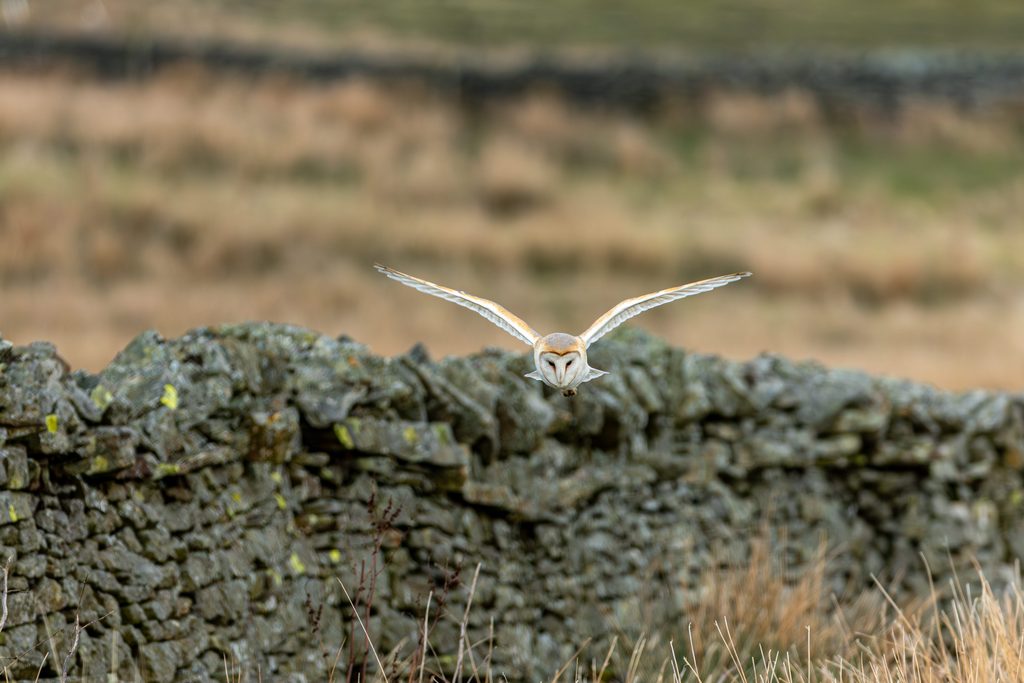
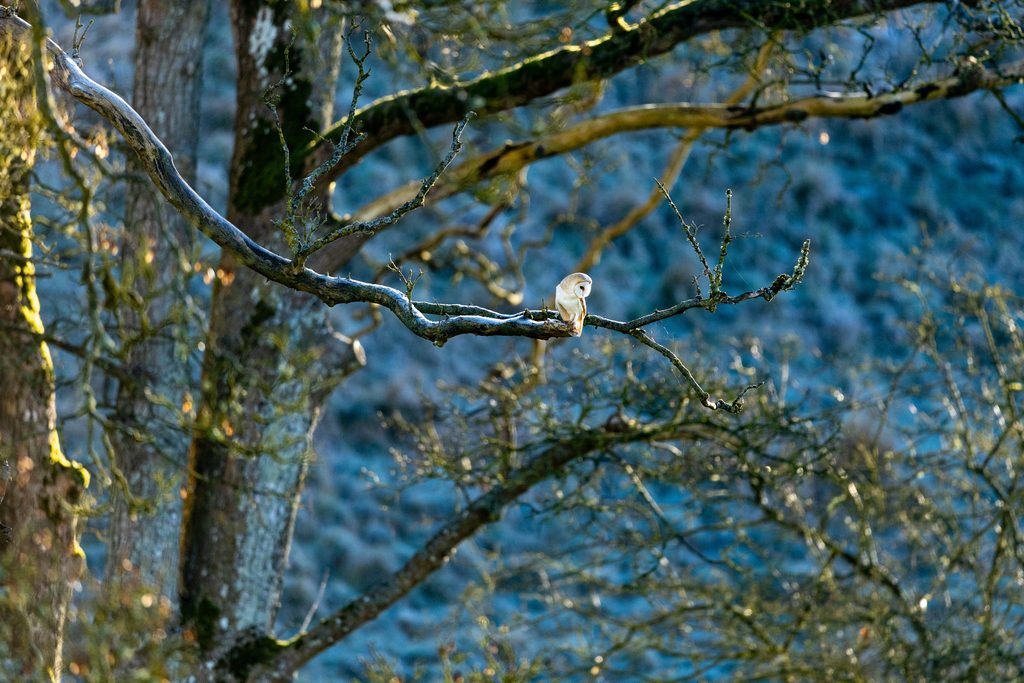
As the light changes look out for the barn owl that drifts in a silent ghost like manor over the fields. Long tussocky grass provides a great residence for field vole and wood mice, the owl quarters the ground, dropping like a stone when the prey is located. You may also see a bird hovering over the same field, that would be a kestrel who might even try and steal the vole from the barn owl. A barn owl will eat the vole whole so if you see a little pile of guts on a fence post it will be what is left of a kestrel’s meal.
Hedges provide sanctuary and food for a whole host of plants and animals. They are important motorways for animals to move around, linking woods and spinneys. Hedges are made up of lots of different shrubs, the greater the variety of plant the older the hedge. We are now planting more hedges after years of pulling them out for agricultural intensification. Hawthorne, blackthorn spindle, crab-apple, field maple, holly, cherry plumb, elder, hazel to name a few.
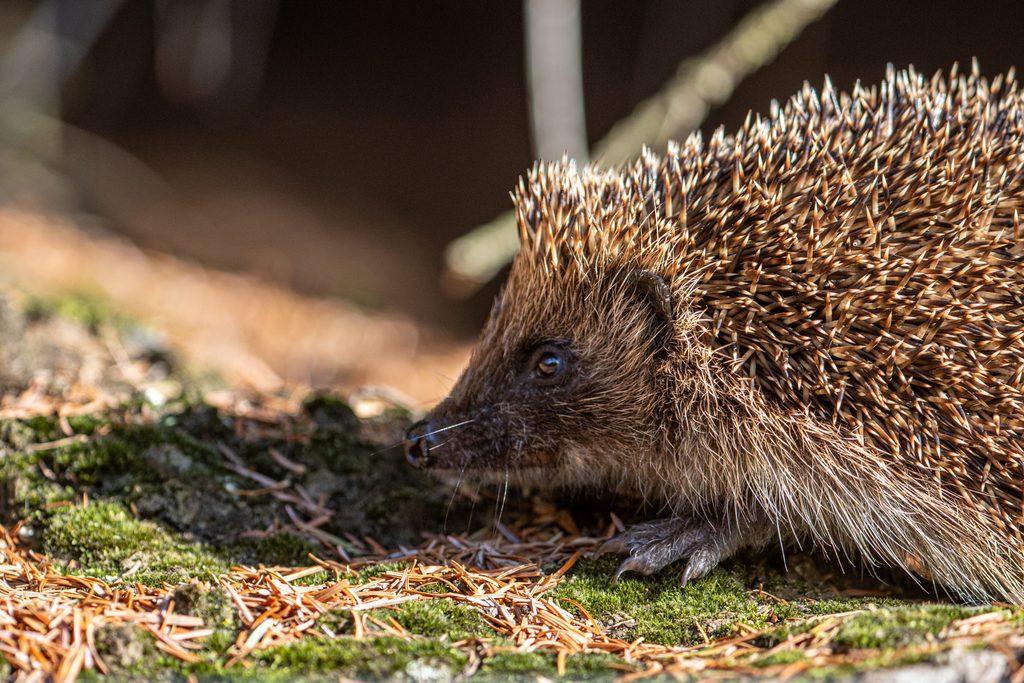
Each hedge has a path running through it where all the creatures, rabbits, stoats, weasels, rats, hedgehogs etc, wind their way through the gnarly roots and stumps. Birds also move along the hedges a troop of long tailed tits or tit mice all chattering away as they leap frog each other, moving quickly from A to B. Remnants of fruit , hips and haws may hang on the wild roses and thorns and tiny yellow crab apples, sustaining the flocks of migratory thrushes the chack-chack -chack call of field fares and redwings. Looking on the ground a large stone around it lots of snail shells, shattered, smashed to smithereens, this is the anvil of one of the finest songsters we have, the song thrush. This is a really good sign if there are lots of snails
The bare hedge is good for finding old nests, a flat pile of sticks is the nest of a woodpigeon, a big round nest made from sticks will be the black and white magpie. Two nests of the same size of woven grass look very similar, look inside, if the nest is lined with mud, it is a song thrush, if no lining, a blackbird. Some nests are used for food caches for small mammals and will be stuffed with seeds. Some of the smaller nests are lined with horsehair, feathers and moss. The tiny wren’s nest is usually well hidden, it is round with a small entrance hole, made from leaves and moss. The wrens Latin name is troglodytes which translates to a cave dweller, in really cold weather wrens will cram into old nests to keep warm.
As you scan the spinneys and woods there may be multiple nests high up in the branches, this is a rookery. If you see a similar nest on its own, it will be the nest of a carrion crow. Very large sticky nests could be buzzards, if there looks to be string, plastic and other odd items it will be a kite. It’s good to sit out at dusk and in the dark, a roding woodcock making strange squeaks and burps, bats may appear on a warm night, followed by the sounds of the night. Tawny owls twit twooing, the call of a pair of owls. Foxes can be very vocal, a vixen screaming for a mate is a blood curdling sound, a dog is more of a high-pitched bark or a series of short bark
It is important to stay on public paths unless you have permission to go elsewhere, if you have a dog, then make sure it stays on a lead, you will see more and you will not upset any livestock or disturb nature preparing to nest. You may meet a forester, gamekeeper, or shepherd on your adventure, say hello and stop and have a chat, they will most likely be able to tell you where to spot interesting things.
Article written by Simon Lester.
Subscribe Today
Join us on our Substack journey to educate, share and explore the countryside, its communities, wildlife and heritage.