
On the 9th July an extremely rare bird was found in my area of the Cotswolds. The bird in question was a Long-tailed Shrike, Lanius schach. An extraordinary occurrence as it is only the third record for the UK and the first for England, also notable because it turned up in the middle of the country and not on the coast. Its choice of location, Macaroni Farm and Bradwell Grove Farms, was perhaps less surprising as there has been forty years of conservation management in this area. This has produced a rich patchwork of species rich grassland, flower rich margins, scrubby hedgerows and wild field edges. A real gem in the Cotswolds. Such a habitat of course provides for many insects and small rodents – voles, mice and shrews, ideal for a shrike as well as many other species.
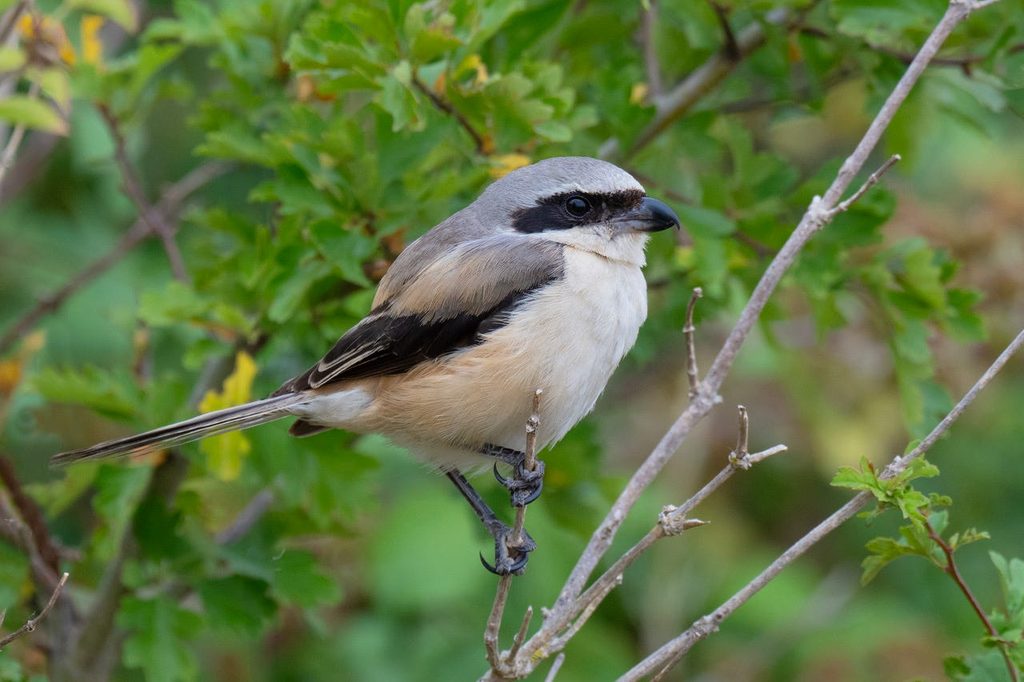
The shrike was along a footpath accessed from a narrow country lane so the farmer arranged a field for parking as the news reached the public domain. Without a designated parking area it would have been complete chaos with blocked local roads. A parking fee has raised a considerable amount of money for charity. As a birder I knew the magnitude of this occurrence. A first for England, easily accessible, not on some offshore island and a showy “sexy” species! On that first morning it wasn’t long before there were a hundred cars in the parking area. Birders and photographers continued to flood in over the next few days including visitors from other parts of Europe, I met some from Belgium and Germany. It is an extremely rare species in the whole of Europe not just the UK! As I write this piece today (19th August) the bird is still present and having its continual flow of admirers. This bird has received thousands of human visitors. From a birdwatcher’s point of view this, without doubt, will be the most popular bird in the UK this year.
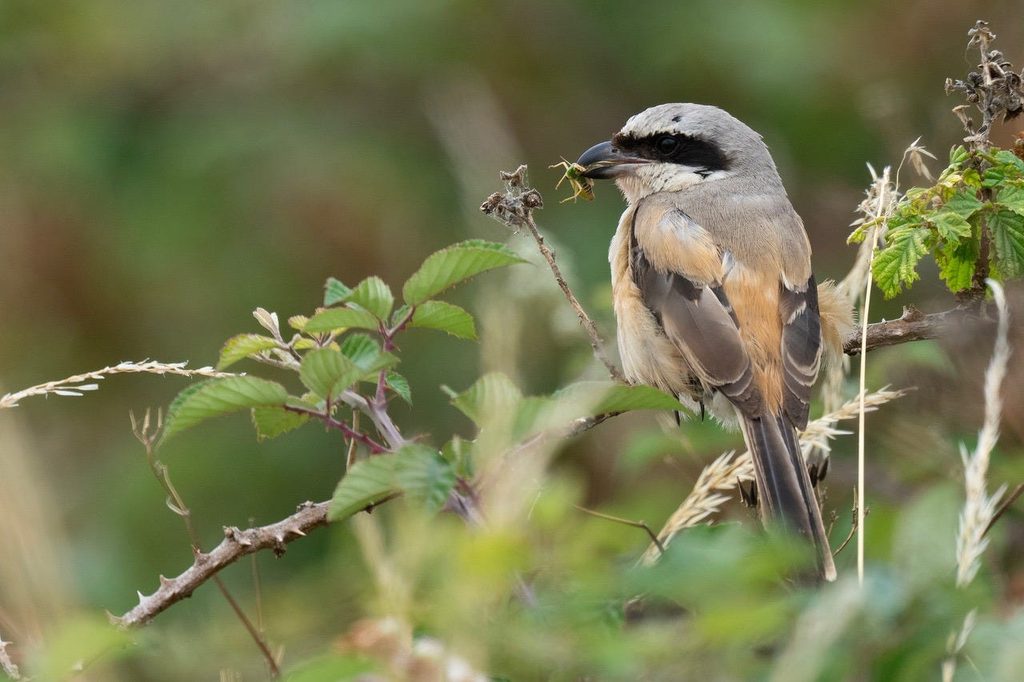
The Long-tailed Shrike’s conservation status is of least concern in its usual range of central Asia. There are nine subspecies and this bird in the Cotswolds is the northern migratory subspecies, erythronotus. This subspecies has a distribution in Kazakhstan, Uzbekistan, Turkmenistan, Kyrgyzstan, Tajikistan, Afghanistan, Pakistan (a lot of ..stans!), parts of India and Iran. The first record of this species in the UK was from the Outer Hebrides in the Autumn of 2000, the second, a bird in Fife a couple of weeks before the Gloucestershire bird. The latter two are not the same bird as they were at different stages of moult. I can only conclude that some weather system accounted for these birds to arrive in the UK over 4,000 miles to the west of their normal range. Although it can’t be ruled out it is unlikely that our shrike will get back on track and will probably migrate south into Southern Europe or Africa. The recent Scottish bird and this Gloucestershire bird are both first Summer males (hatched last year). Some inexperience might account for them not correcting their direction of migration.
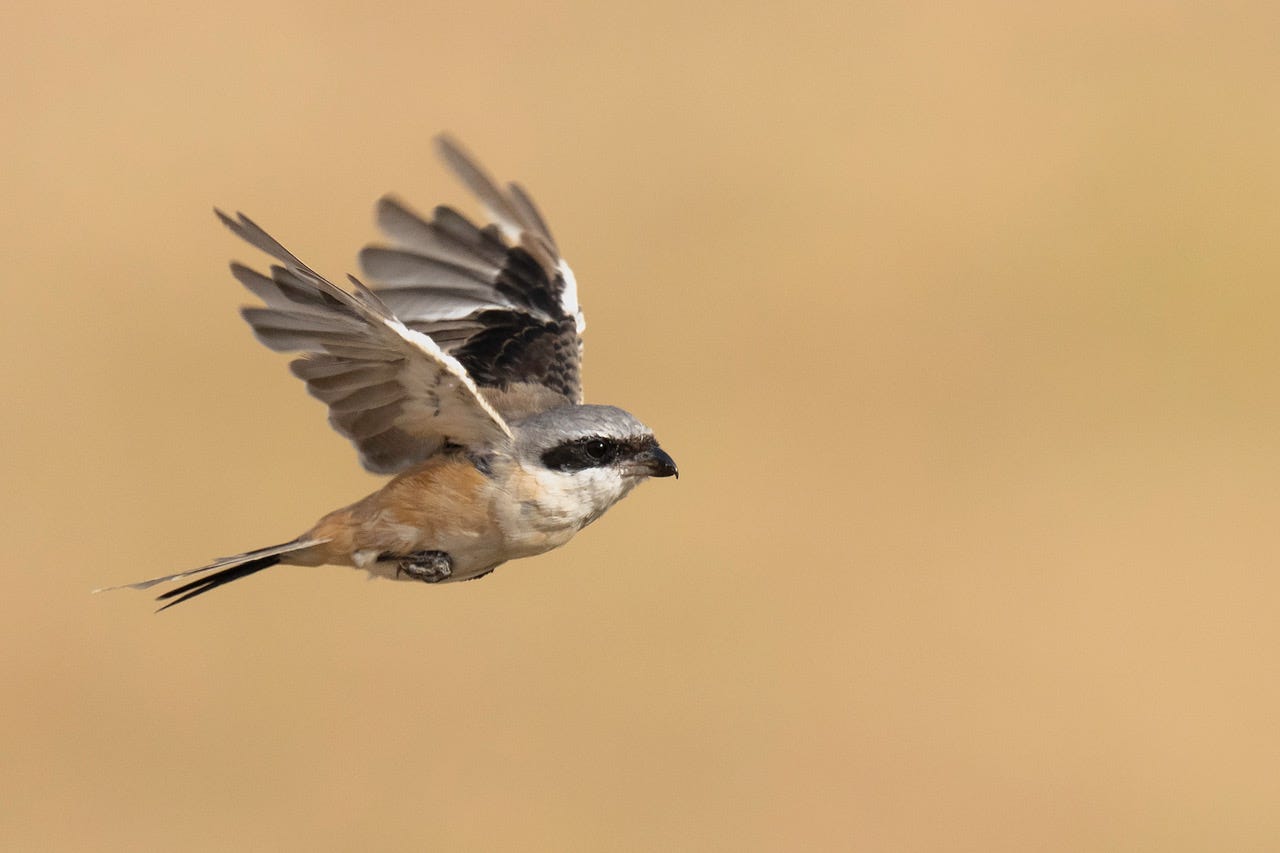
The shrike has been feeding well on insects particularly grasshoppers but also small rodents, voles, mice and shrews. They are formidable hunters and use a wait and watch strategy before pouncing on their prey from an elevated perch. The insects tend to be eaten immediately but the mammals are taken in to a thorny bush often out of site where they are impaled. Akin to hanging meat on a hook hence the shrike family are also known as butcher-birds. Shrikes will return to their larder to eat their prey as required.
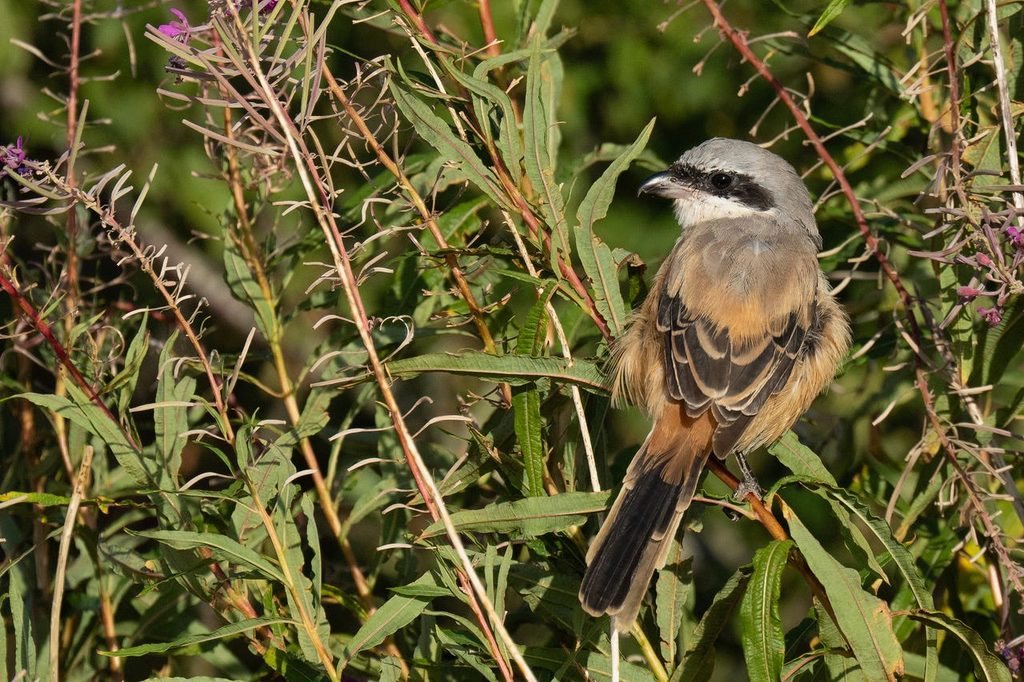
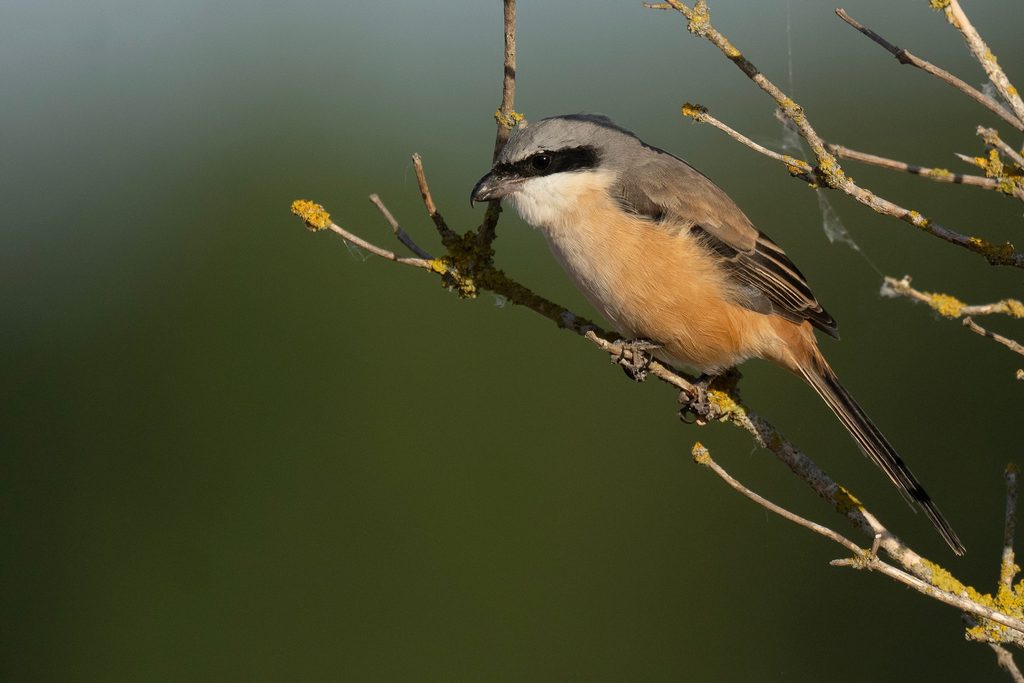
This shrike’s appearance has changed markedly during its stay in the Cotswolds. Grey and black with some pale buff when it first arrived and in the early stages of moult. Through July and the beginning of August the bird looked very tatty as it shed tail and wing feathers. Now it has just about completed its moult and has the bight pristine plumage of an adult male Long-tailed Shrike. I can not think this bird will be with us much longer. Now in excellent bodily condition, a fresh set of feathers and shortening day length the clock in it’s brain will be telling it to move on.
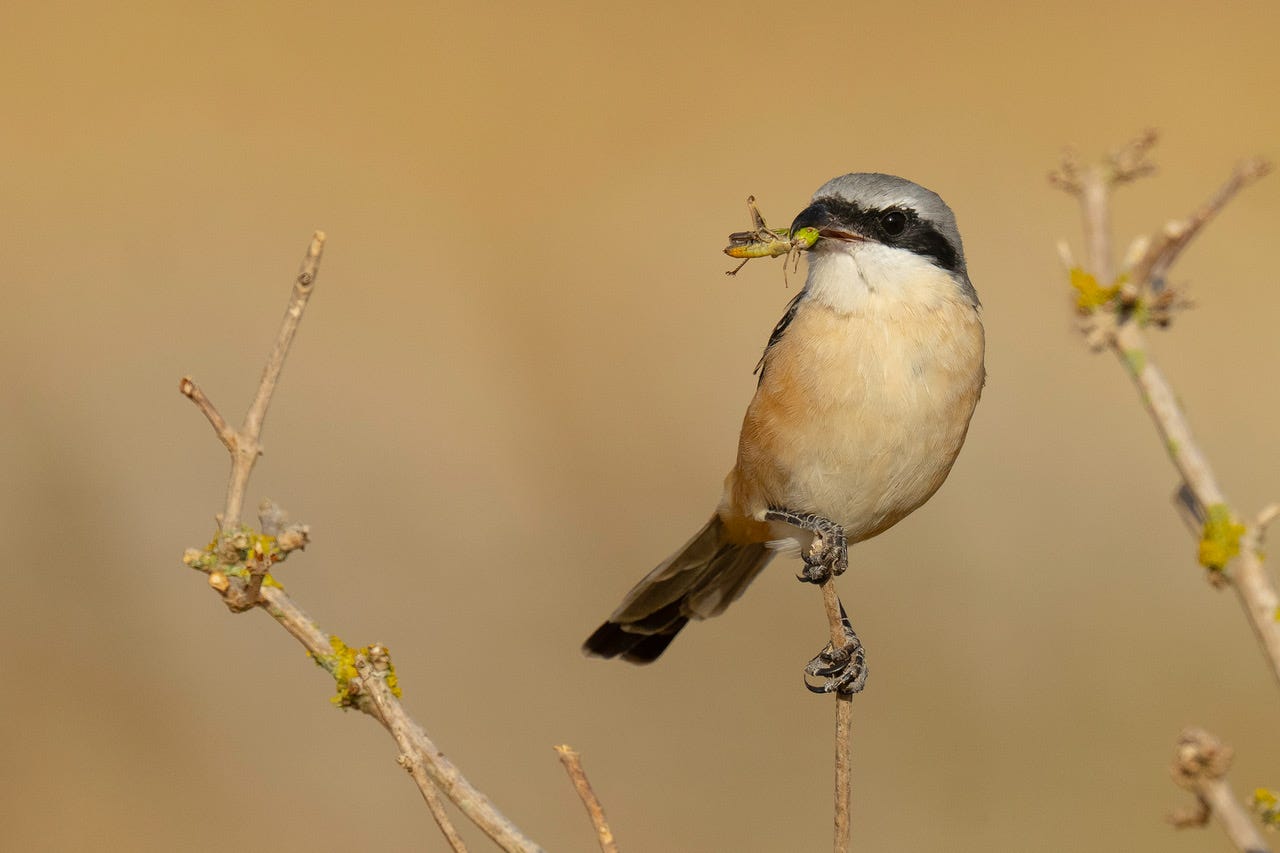
Many people have asked me to pass on their thanks to the farmer for being so accommodating. This bird has given such pleasure to so many people over the Summer period.
Richard Tyler – 19th August 2026
Gloucestershire
richardtyler.zenfolio.com
Subscribe Today
Join us on our Substack journey to educate, share and explore the countryside, its communities, wildlife and heritage.