
Sat in the corner of a field on our farm in North Cumbria, taking 30 minutes to observe the world around me, something that seems to happen less and less often these days. I do have a reason for sitting here, I’m recording the birds I see for The Big Farmland Bird Count, a count run annually by the Game and Wildlife Conservation Trust. It helps to showcase some of the fantastic work being done on farms to help these birds to thrive.
For me today, it also feels like an emergence from winter. Listening to the chattering of the birds as I sit here is a surefire way to lift any winter mood.
It got me thinking, these hedges that are starting to come alive with bird life, the walls that will soon shelter the spring lambs, the grass meadows that will buzz with insect life in July, are all shaped by decisions made in what would appear to be quiet winter months.
Winter on a British farm is when the hidden work happens—the slower, skilled, often weather‑beaten tasks that hold the fabric of our landscapes together.
Across the UK, winter is the time when farmers turn their attention to the structures and systems that hold the countryside together. Hedges are laid while the sap is down, allowing stems to bend and knit into dense, living boundaries. As well as providing fantastic habitats, these hedges are also practical — they slow the wind and protect livestock.
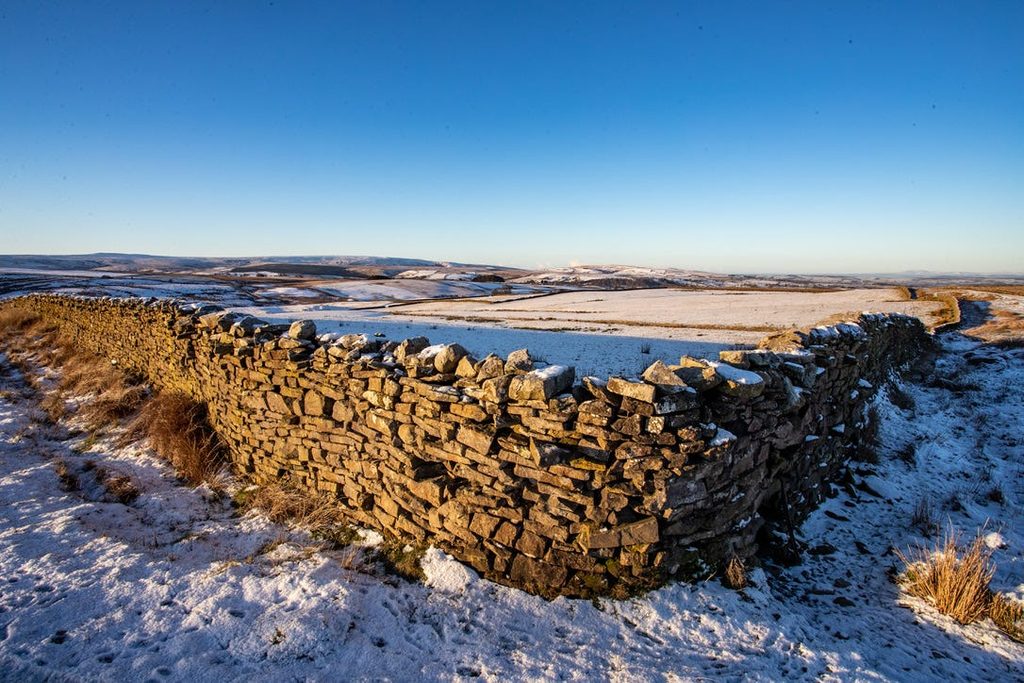
Winter is also a time for repairing and rebuilding the dry stone walls that are an iconic feature of the British landscape. Rebuilding a wall is slow, meticulous work, but each wall becomes a miniature ecosystem in its own right. Mosses and lichens cling to the stones, insects shelter in the crevices, and small mammals weave through the gaps. In spring, the sun‑warmed stones become basking spots for reptiles. As well as holding the fields and farmland together, these walls are also a huge part of the cultural identity of the British landscape.
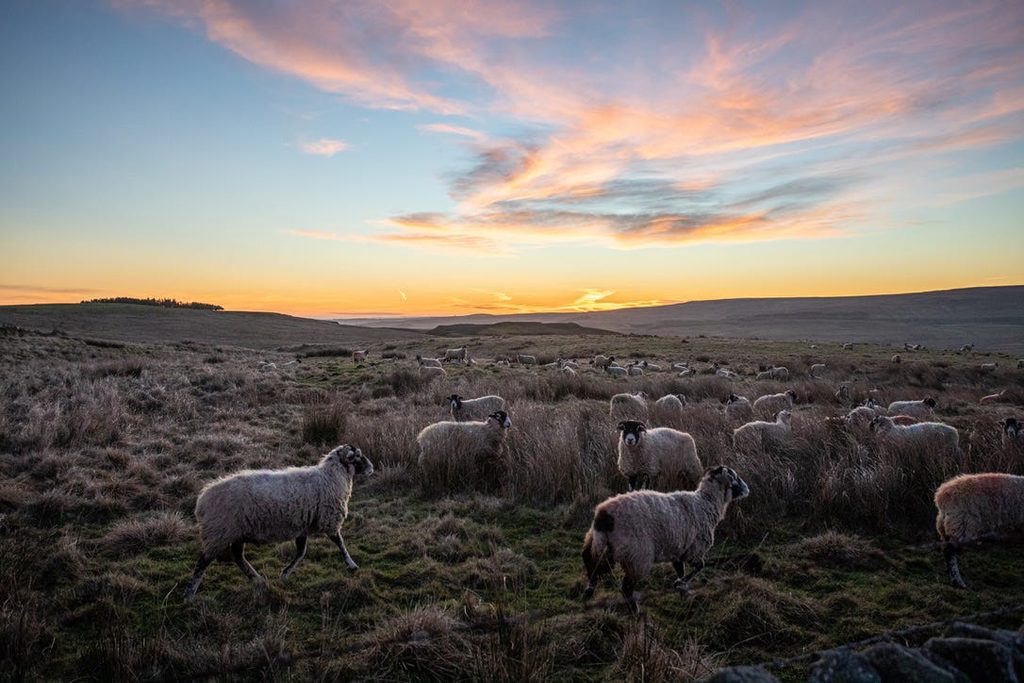
Winter also brings a different kind of challenge in the uplands: managing livestock in harsh weather. On exposed hillsides, farmers must constantly read the land and the forecast. Heavy snow or driving rain can force livestock down to more sheltered ground. Sudden thaws can turn fields muddy and fragile. Managing good winter grazing means protecting the land as much as feeding the animals. When done well, it helps maintain some of the UK’s most iconic habitats — heather moorland, upland meadows, and peat bogs — all of which rely on careful grazing management to stay healthy.
As conversations about farming and the environment grow louder, it’s worth remembering the quieter work that happens out of sight. These winter tasks aren’t just maintenance. They are acts of care that support wildlife, protect the land, and preserve the character of rural Britain. If we want the countryside to thrive, we need to understand — and value — the winter labour that keeps it alive.
Winter is not downtime.
It is the backbone of the farming year.
Written by Caz Raine.
Subscribe Today
Join us on our Substack journey to educate, share and explore the countryside, its communities, wildlife and heritage.