
Year 1 Update
The Overview
Funded by the Moorland Association, University of Exeter and Conservation Communication, this PhD project aims are:
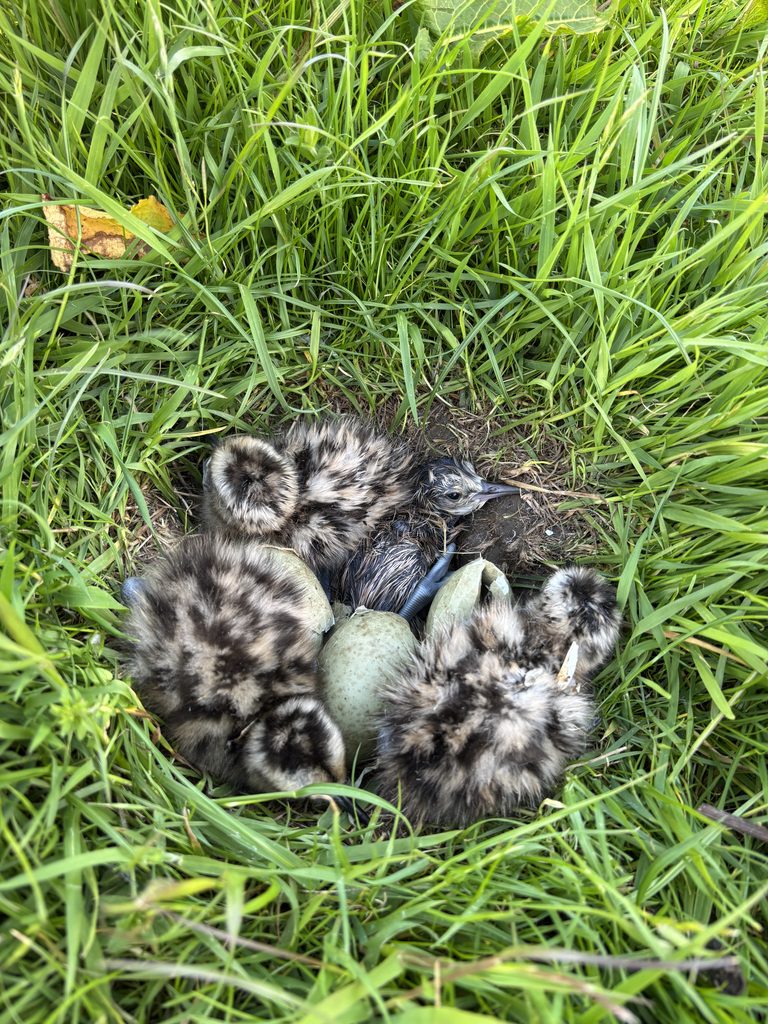
To understand how moorland management practices impact red and amber-listed ground-nesting birds, including several wader species (notably Curlew, Lapwing, Snipe, Oystercatcher, Redshank, Golden Plover and Woodcock) and the small raptor, the Merlin.
The project came about through the efforts of my supervisor at the University of Exeter, Prof. Charles Tyler, and the brilliant field team led by BTO ringer Dave Scott, that is now working in collaboration with the Moorland Association and Conservation Communication.
Having recently reached the nine-month mark since starting this PhD, my progress is assessed by the University through production of a report of my achievements so far and an outline for the PhD thesis I will complete over the remaining two and a half years – what follows is a synopsis of this report.
Chapter 1
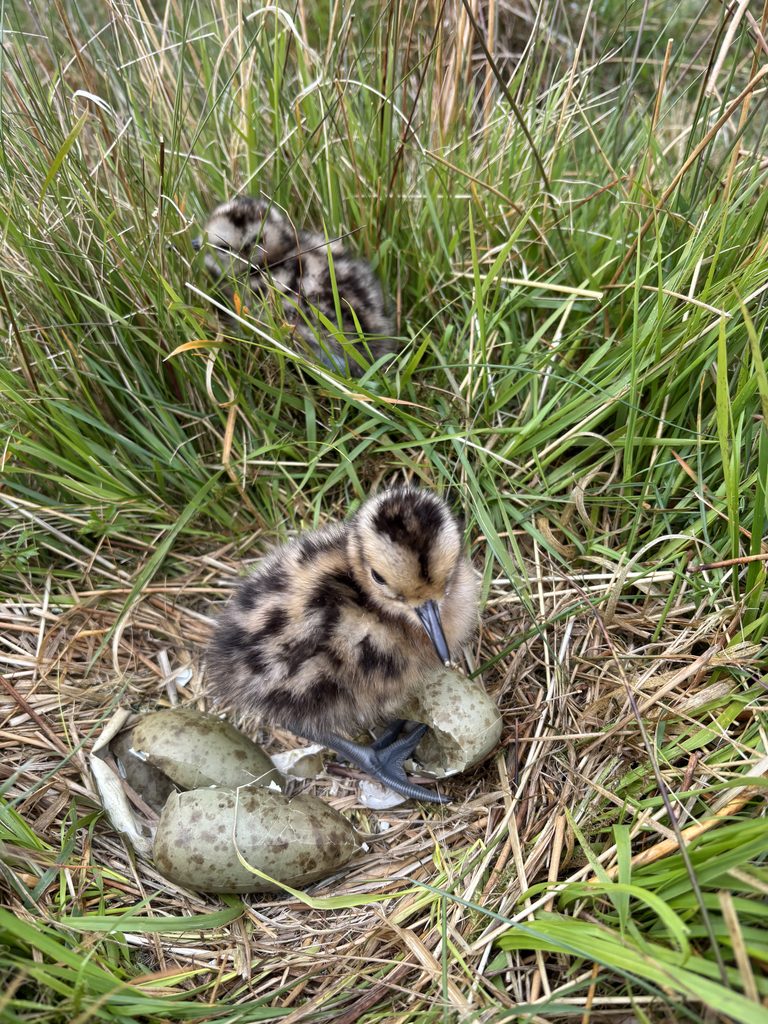
The report introduces the background for this project, with Chapter 1 outlining the importance of upland landscapes for many ground-nesting bird species whose breeding populations are in severe decline in the UK. Drivers of these species’ population declines are discussed, with reference to agricultural intensification, increased non-native afforestation, and climate change impacts. Managed grouse moorlands are identified as breeding strongholds for many declining bird species, associated with habitat management, and notably predator control practices.
Chapter 2
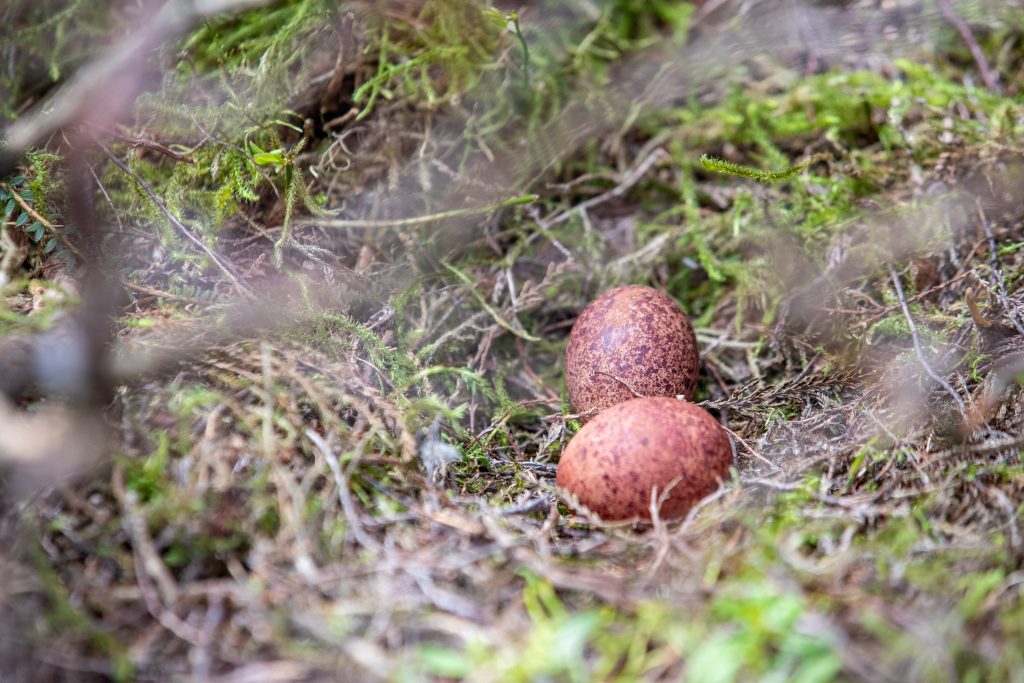
Chapter 2 focuses on Merlin breeding success on managed grouse moorlands that have been surveyed by the project team in northern England over the last decade, exploring their productivity and population stability on these managed areas. Findings are being compared with Merlin nest data across wider landscape in northern England using data acquired from the British Trust for Ornithology (BTO). I am currently writing up a short communication piece for this chapter, which I hope to complete and publish this autumn (watch this space).
Chapter 3
Using data on Merlin nesting across the UK, kindly provided by the BTO, Chapter 3 explores Merlin breeding ecology in much greater detail than in Chapter 2. Here Merlin productivity, preferred nesting habitats (and land management type), nest site elevation and nest microclimate are being investigated on a national scale. This analysis will provide an understanding of how Merlin nesting activity and success has changed over time, and the influence of habitat and proximal climate effects on Merlin productivity.
Chapter 4
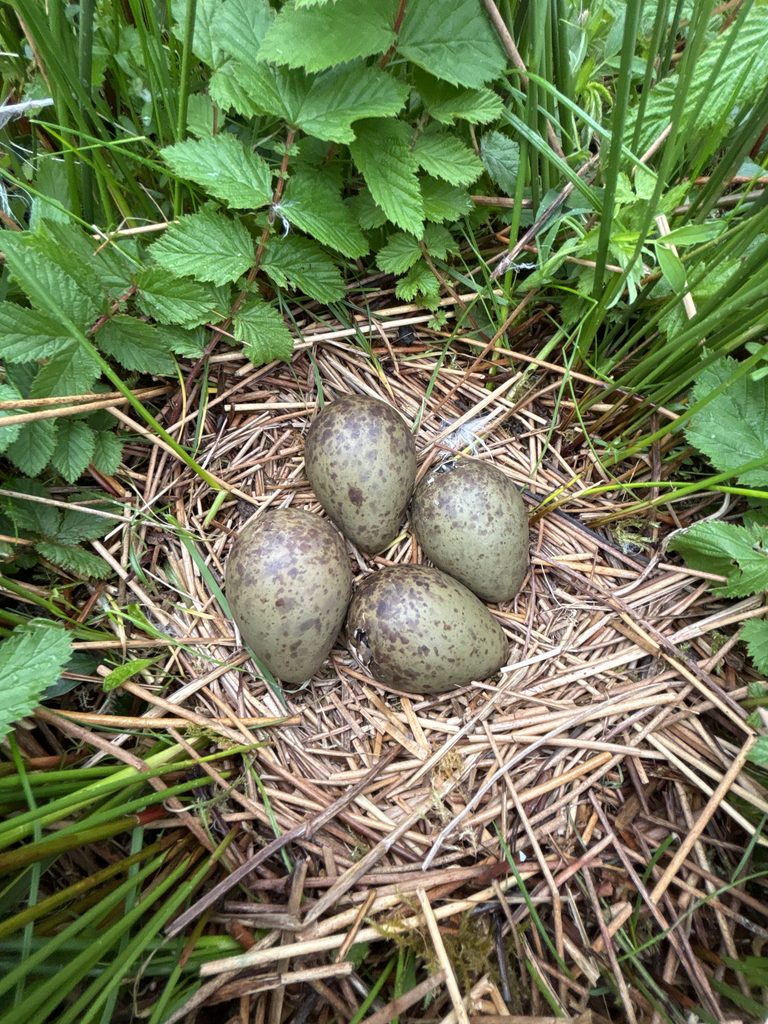
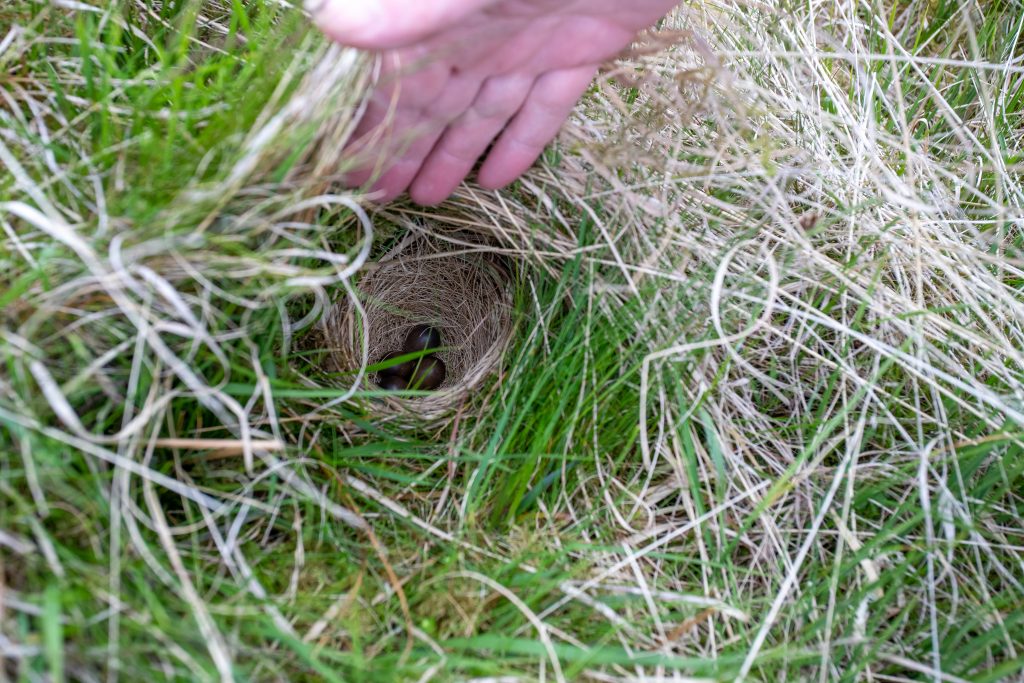
Chapter 4 will examine breeding success of selected wader species (focused mainly Curlew, Lapwing and Oystercatchers) on managed grouse moors in northern England. In this research, nest-site preferences (habitat, elevation and nest microclimate) and how these features relate to productivity will be assessed. Again, these analyses will draw upon both data collected from the project team and datasets to be requested from the BTO nest records scheme. These analyses will include comparisons against geographically and climactically similar managed and non-managed sites. As for the studies on Merlin in Chapter 3, the influence of proximal climate effects on wader productivity will also be explored.
Chapter 5
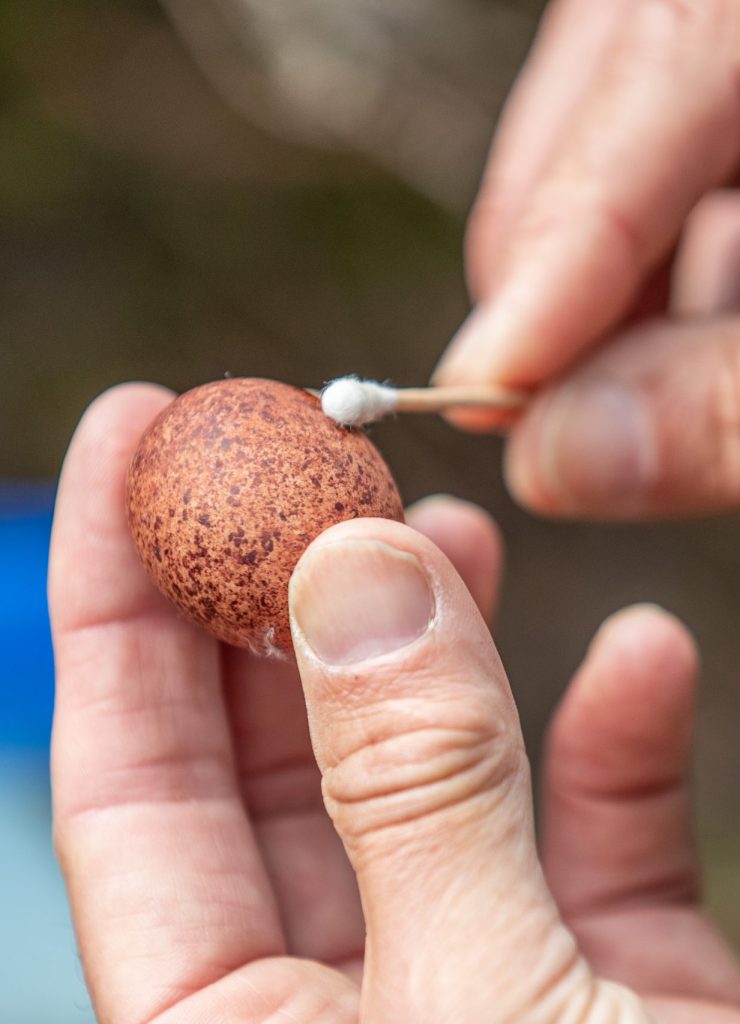
In Chapter 5 wader chick diets will be analysed through DNA metabarcoding of faecal samples collected from grouse moors in northern England during the project teams annual nest surveys. This chapter will compare dietary composition for the different wader species and investigate the relationship between chick age and specific prey items. Links will then be sought between diet and moorland invertebrate communities, targeting habitats waders are known to breed or forage on. This will involve surveys for the presence of invertebrate in these landscapes using sweep netting and pitfall traps. The aim of this research is to understand how managed moors support waders, their dependence on specific prey species, and their potential vulnerability to environmental change. I am now trained in DNA extraction methods as well as bioinformatic methods to be able to identify the dietary invertebrate species in the DNA sequencing data generated.
Final
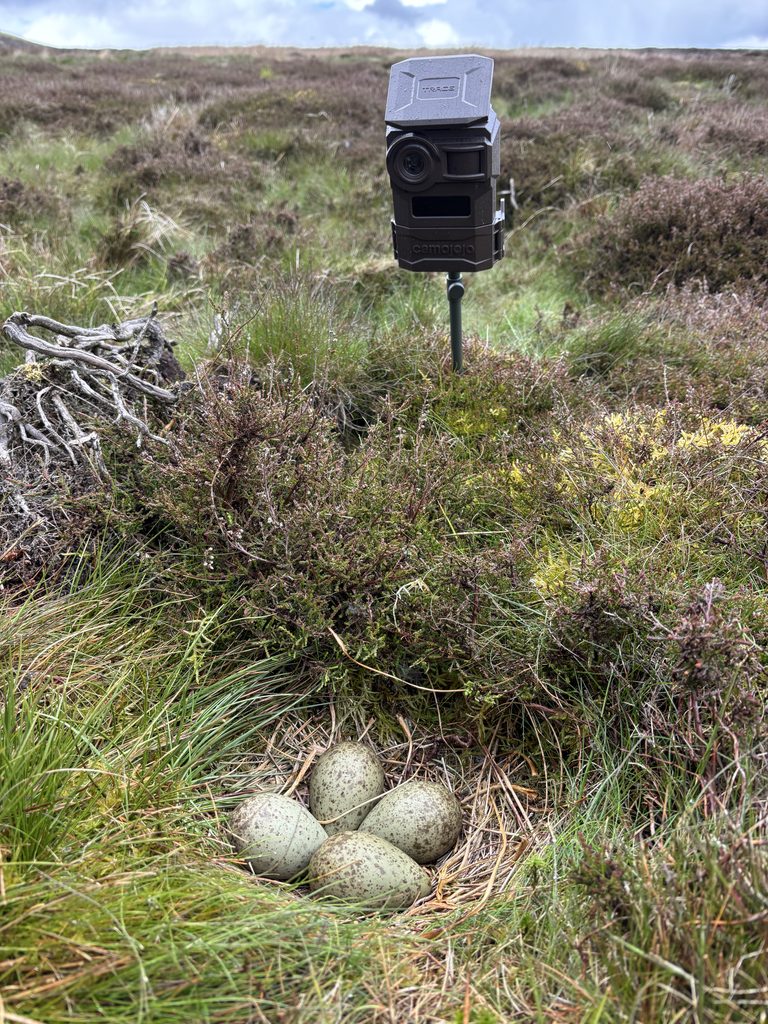
In the final experimental chapter of my thesis (Chapter 6) Curlew breeding success will be explored through video footage from cameras deployed at their nests during the late stages of egg incubation on a managed moorland. Trail cameras are used to collect empirical data on chicks leaving nests to support proof of fledging. General surveying often cannot capture this due to the precocious nature of wader chicks which vacate the nest very soon after hatching. Cameras will also capture adult behavioural data (time spent on nests and changeover) and any nest predations.
Collectively, these various approaches for examining ground-nesting bird breeding success and ecology, will support understanding on the ecological value of managed moorlands in provisioning for declining bird species and for informing UK conservation policy.
Deliverables
The deliverables from this project will include, but are not limited to:
Substantive data sets and an unbiased analysis on the relative breeding activities and success of waders and merlin on upland management moorlands compared with their other breeding areas across the UK.
Deeper insights into the breeding ecology of the study species, contributing to the knowledge base for supporting their conservation.
Dissemination and publicising of research work in scientific journals, science conferences, public engagement events, keeper events, and social media platforms to inform as wide an audience as possible.