
I recently attended a film showing, followed with a panel Q&A by the journalist Sarah Roberts, ‘The Hunt: Into the Grey,’ at the Oxford Natural History Museum. Sarah puts her head above the parapet to open discussion around one of conservation’s most divisive issues.
The film weaves together questions of conservation, morality, economics, local communities, and the uncomfortable reality that nature increasingly has to exist within boundaries set by man.
Nature itself is unforgiving; every wild animal ultimately faces a tragic and inevitable end. Yet, every day, we inflict that tragedy indirectly — through the chickens and farmed salmon we consume for example, through the way we farm the land, and through the destruction of entire ecosystems, often with little thought or scrutiny. And yet, when the taking of an animal’s life is visible and direct, particularly in the context of wildlife or landscape management, objections quickly follow, even where such practices may play a role in protecting the very ecosystems we all claim to value and preserve.
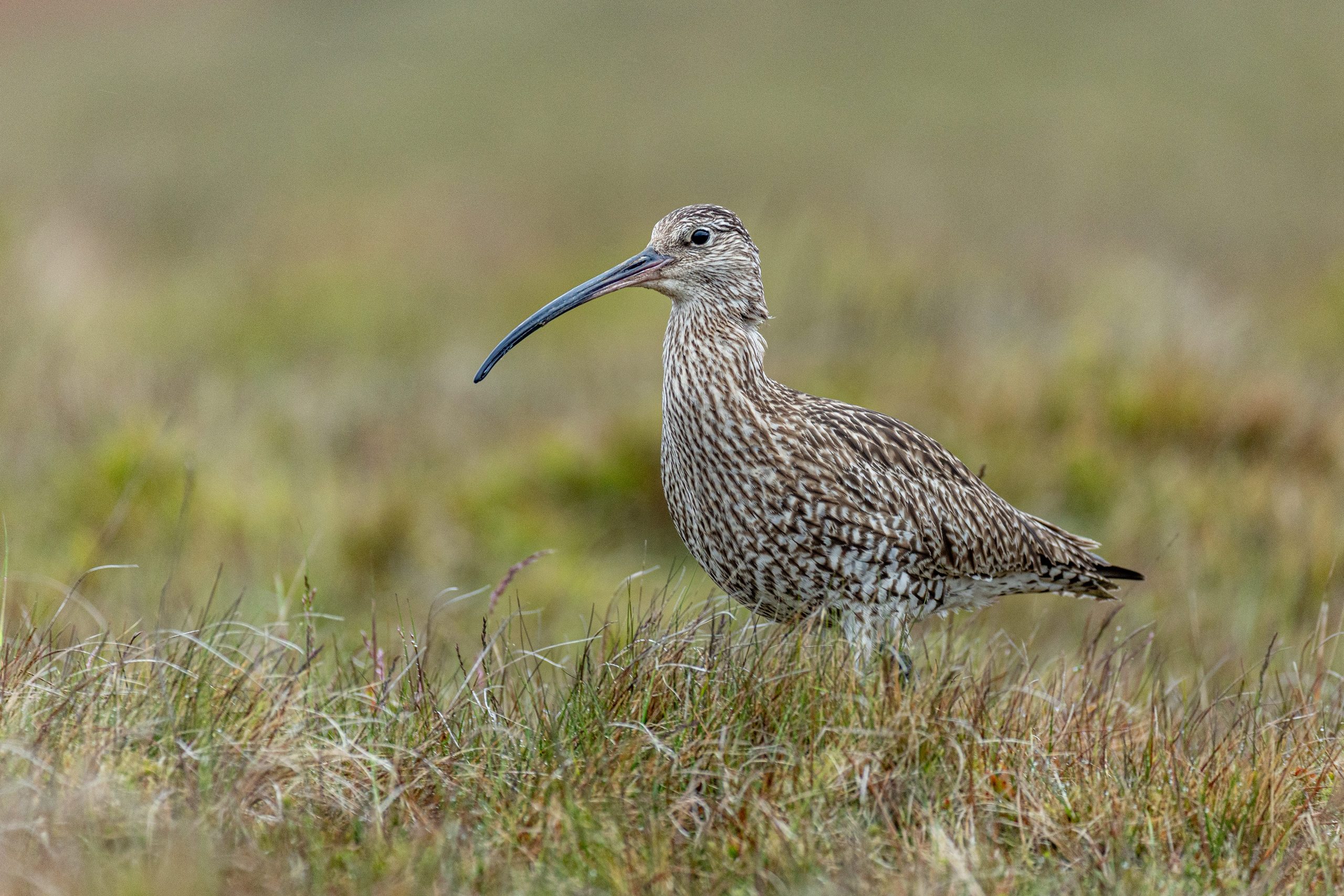
This divisive debate is not so dissimilar to our own arguments here in the UK, on the rights and wrongs within the shooting world, and by the way, there will always be wrongs as there are in any profession or community. Our managed grouse moors are great examples where our truly threatened waders, such as curlew, lapwing, snipe, redshank, golden plover etc and the black grouse which used to be in every county in England, thrive on managed grouse moors, under the protective umbrella of predator management.
For me, the film raised two questions.
- When confronted with the practical realities and supporting evidence, for trophy hunting (probably a bad name), a director of the Born Free Foundation seemed able only to return to the refrain: “It’s heinous.” But how do you engage in meaningful debate when moral outrage simply overrides any consideration of the facts? At what point does emotion prevent honest discussion about conservation trade-offs and the difficult realities of wildlife management? And is this further holding back conservation in the UK because few people (hats off to Sarah) are prepared to raise such points, and potentially lose their livelihoods or public donations? Furthermore, is membership now leading conservation organisations to make the wrong decision for the wildlife they purport to protect for fear of losing revenue.
- Does rewilding conveniently overlook these same realities? Apart from deer culling — which has gained some public acceptance — much of the conversation around rewilding carries a romantic notion of letting nature simply “take care of itself.” In the right place, and at the right scale, that may well be appropriate. But in a densely populated and heavily managed country like the UK, can nature ever truly be left alone, or will active management always remain necessary? Besides, we also need to feed ourselves!
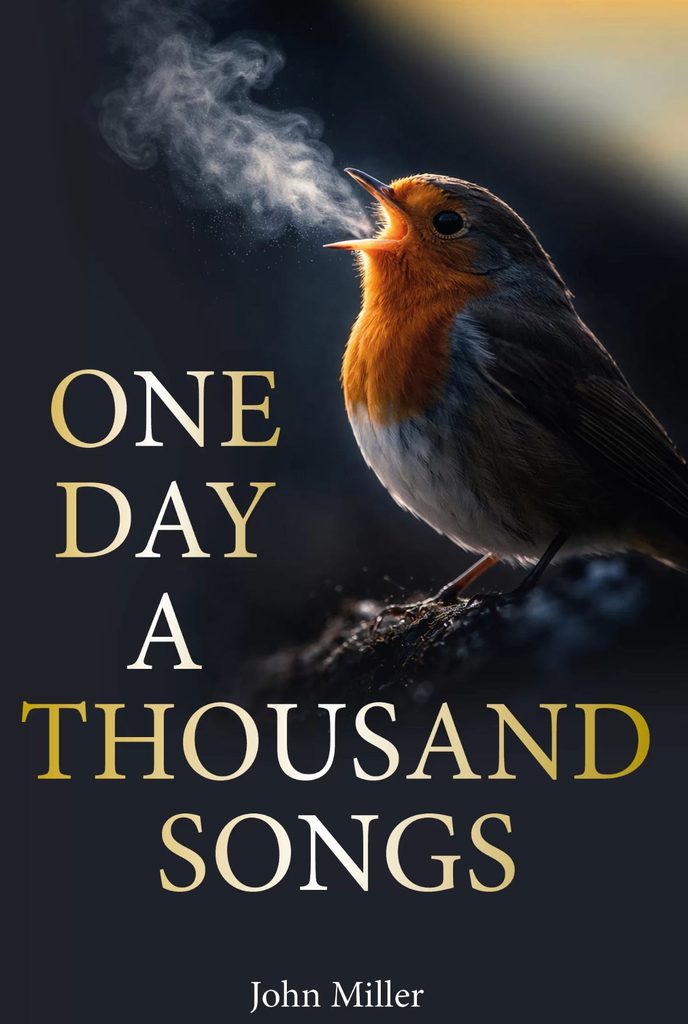
In my new book, One Day a Thousand Songs, I highlight three inconvenient truths — beyond habitat alone — that I believe help explain how we recorded 38 different bird species in our garden on 6 May 2025. I suspect that if most people sat quietly in their gardens from 4:14 am until 9:15 pm, they too would be astonished by the richness of life passing through. More encouraging still was the fact that 20 of those species went on to nest in the garden — the true icing on the cake.
The three “inconvenient truths” I explore are these:
Inconvenient Truth No. 1 — No chemicals
Conservation should begin with the food web from the bottom up — with insects and healthy ecosystems — rather than relying solely on top-down approaches and constant predator reintroductions.
Inconvenient Truth No. 2 — Disturbance
We should not underestimate the impact our presence, and particularly our cats and dogs (and us as the No 1 problem), can have on wildlife behaviour and breeding success. In the recent Attenborough series Secret Gardens, he suggests our cats kill 50 million birds a year.
Inconvenient Truth No. 3 — Predator control
Legal predator control of grey squirrels, corvids, and foxes can make a measurable difference to vulnerable bird populations and nesting success.
For raising this third point, I received an unfavourable review that questioned my association with people in the shooting community and accused me of taking a swipe at rewilding. In truth, my intention was neither to provoke nor to dismiss opposing views, but simply to encourage curiosity — to ask readers to engage honestly with the two questions I pose above and to allow space for constructive debate.
Yet I have come to realise that, in today’s climate, merely raising such questions can risk social or professional cancellation. Nuance is often lost, and any attempt to explore the uncomfortable tensions among conservation, predator management, rewilding, and human intervention can be quickly interpreted as ideological positioning rather than an invitation to think more deeply.
In Britain today, wild plants, animals, and fungi must survive among 70 million people, living in 28 million homes, linked by around 260,000 miles of roads. All this in a working landscape, where about 70% of the country is farmed – after all, we must eat – and a further 10% is developed for housing and infrastructure – we have to live somewhere. That leaves about 20% as semi-natural land—moorland, woodland, heath, mountains, and wetlands
This pushes wildlife into an ever-smaller, fragmented world of shrinking islands. Disconnected, compressed, and increasingly isolated from one another. To survive, they depend on how we manage these landscapes, and their wildlife, stitching them together across the country and maintaining a balance to ensure all species appropriate to that landscape thrive.
Now imagine you are a small bird or butterfly, needing to move across this landscape in search of food or breeding grounds. You find yourself crossing a city like Birmingham. What do you do? You are already exposed to the elements, and you are not an albatross crossing oceans—your body weighs just a few grams, and evolution did not prepare you for the terrain laid out below.
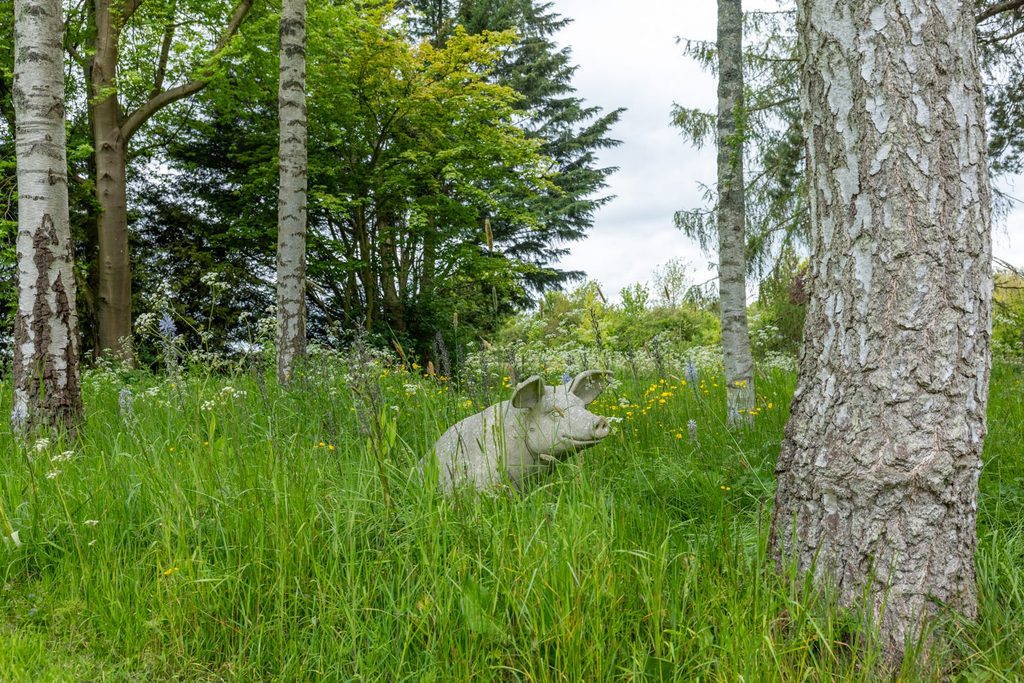
And yet, scattered across this matrix, there are roughly 26 million gardens. And this is where my book – ‘One Day a Thousand Songs’ comes in:
The RHS summarised wildlife-friendly gardens on a scale of 1-10, ranging from ecological deserts, with hard landscaping and artificial lawns at 1, to mini nature reserves with diverse native planting, no chemicals, and a layered structure at 10.
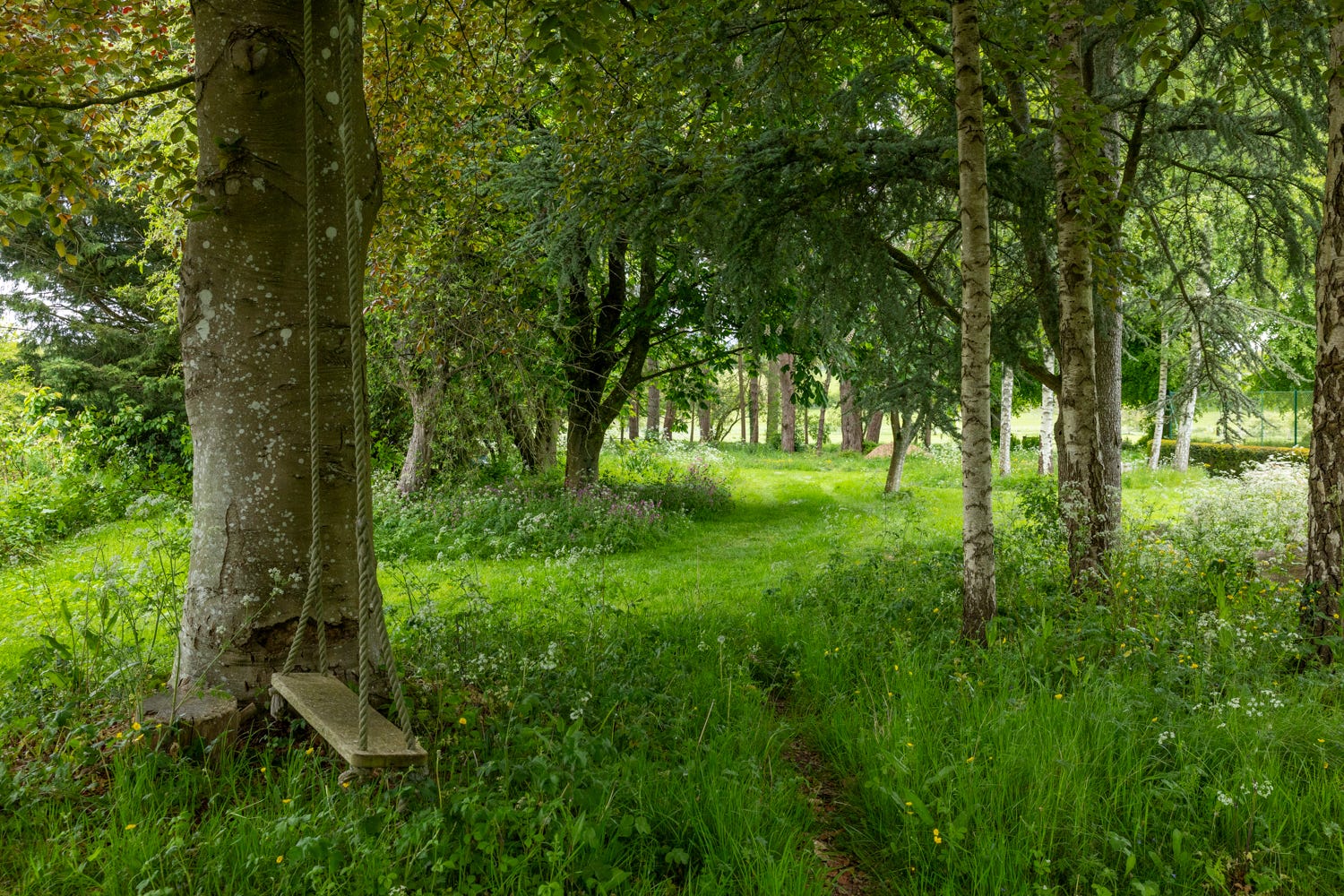
Now think of the impact if everyone moved one point up this scale. I want to help you make that move, and (this is very important) I am not saying make your garden a mess and stop doing what you love; you still want to enjoy your gardening. And if you want a piece of manicured lawn, then knock it out of the park. What I hope to inspire is the love of creating a mixed diversity of native flora to match the splendour of traditional garden plants. Wild plants still need to be managed, including weeding. In fact, you can make them thrive with displays to match the ornamentals; they are often just a little more subtle. I like subtle.
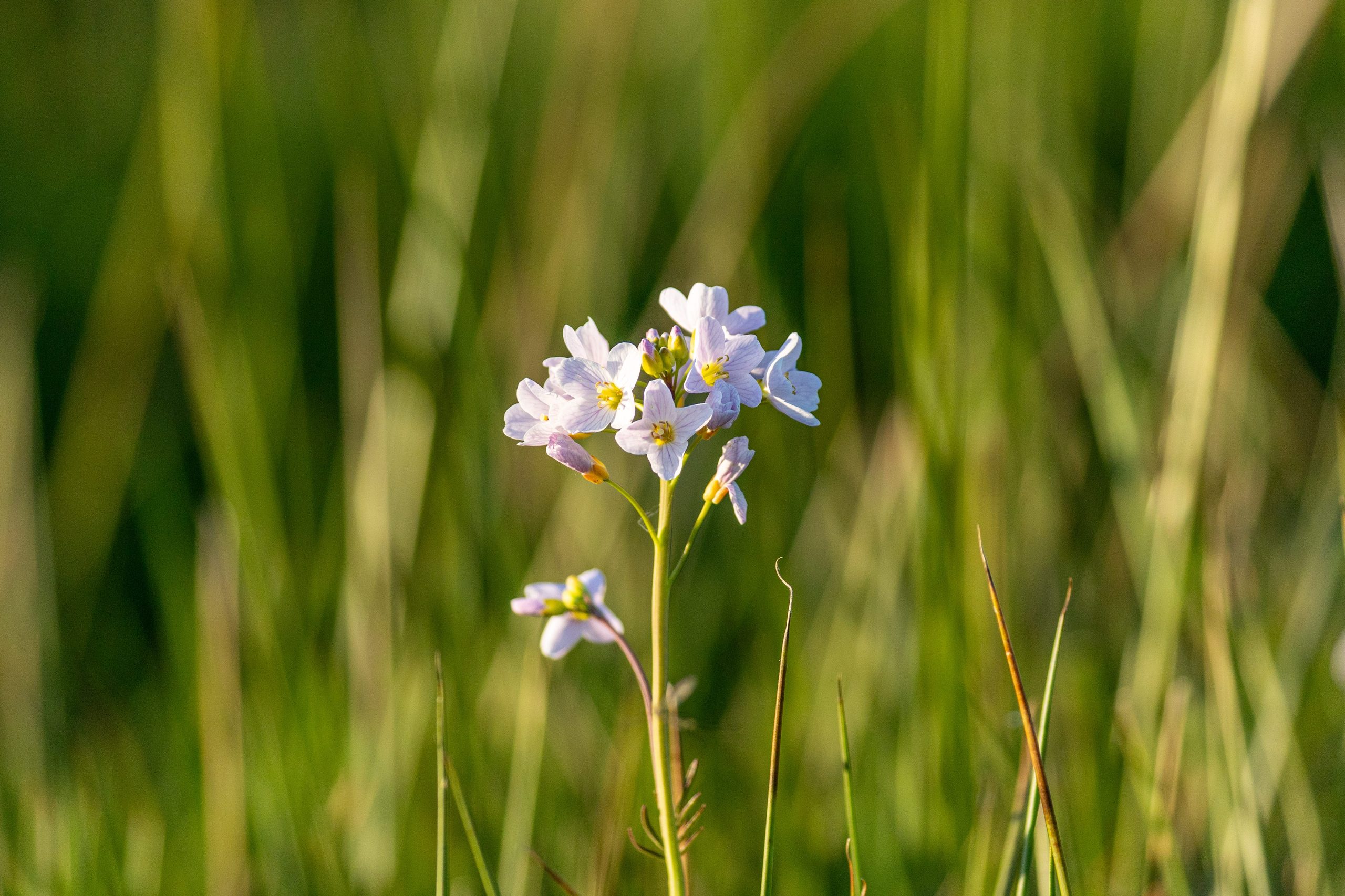
However, if you do want to reach number 10 on the scale, a mindset shift is required, and it has two parts:
First, wildlife-friendly gardening is no longer a small, begrudged corner of the garden — it is the garden. The whole garden. Every element has a role to play.
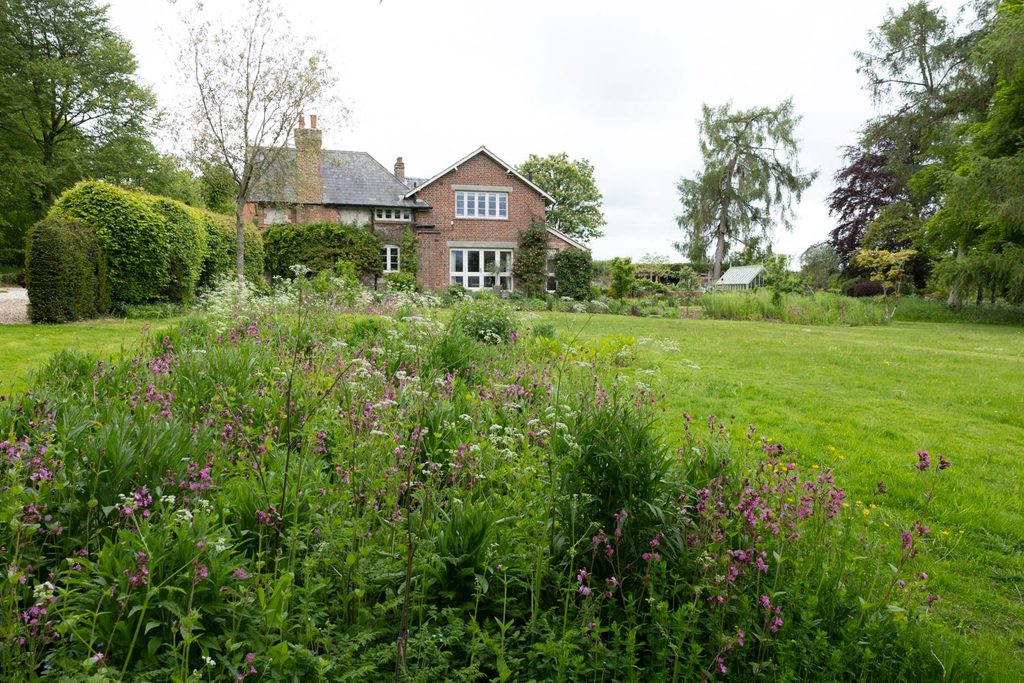
Second, you are managing a living landscape, creating a mosaic of habitats rich in structure and variation, with plenty of edges and transitions. Think of a woodland glade, where a spotted wood butterfly flits out of the shadows to bask in a shaft of sunlight. The delight is making that patch of sunlight!
We need more patches of sunlight.
By John Miller
Subscribe Today
Join us on our Substack journey to educate, share and explore the countryside, its communities, wildlife and heritage.