
Life on British moorland ebbs and flows like the tides, and spring sees the welcome return of many species to breed in this unique habitat. The hostile winter is coming to an end, although the weather up here is always precarious, a late bout of snow or a cold wet period can seriously impact on sitting hens, eggs and chicks. The weather also dictates the abundance of the critically important invertebrate (insects) populations, that gives the high protein diet for chicks to thrive. Only the hardy red grouse, wrens, and ptarmigan stay on the moor, hares also, a few more creatures live on the moor edges, but most find a kinder environment to overwinter.
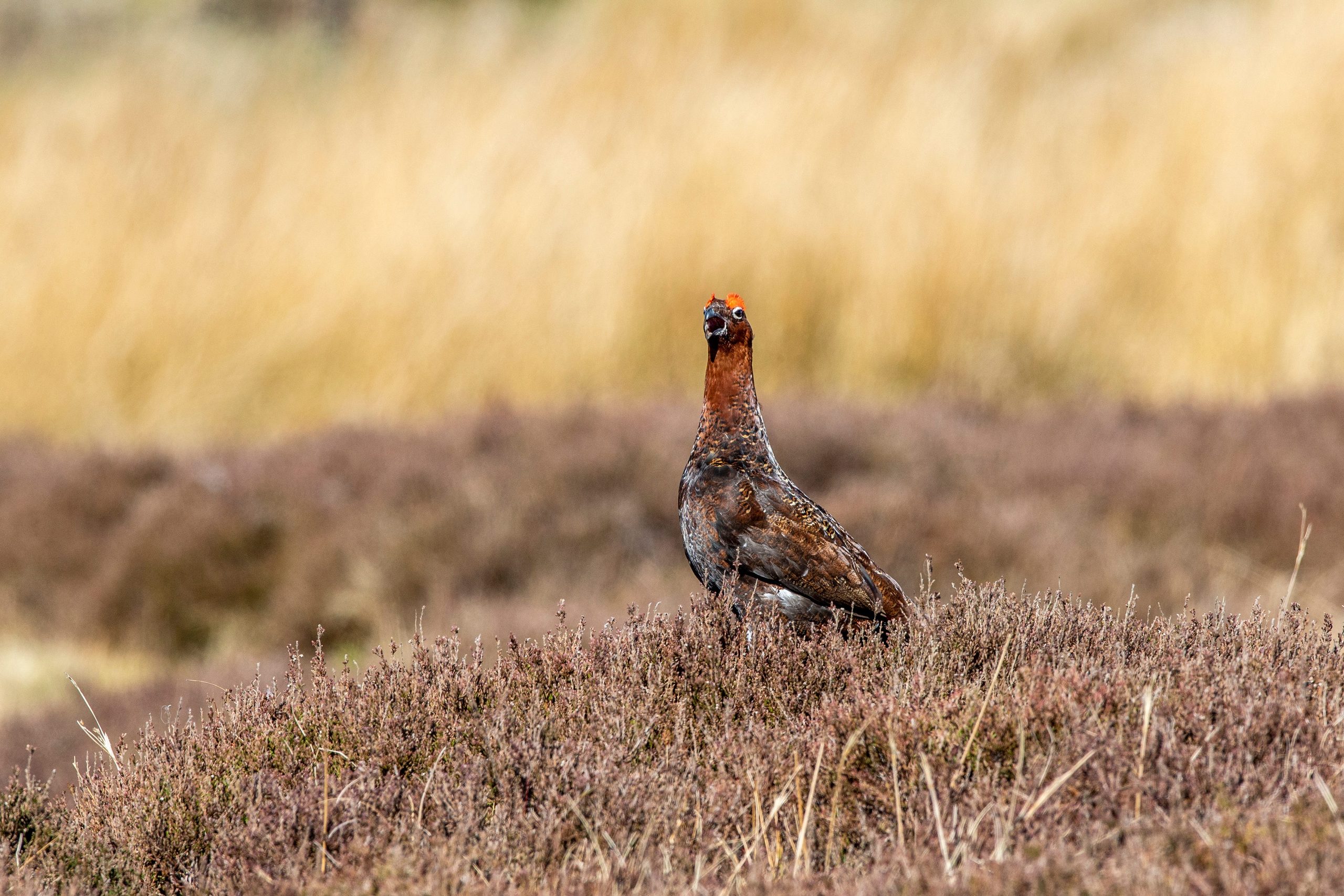
A male red grouse calling out to hold his territory
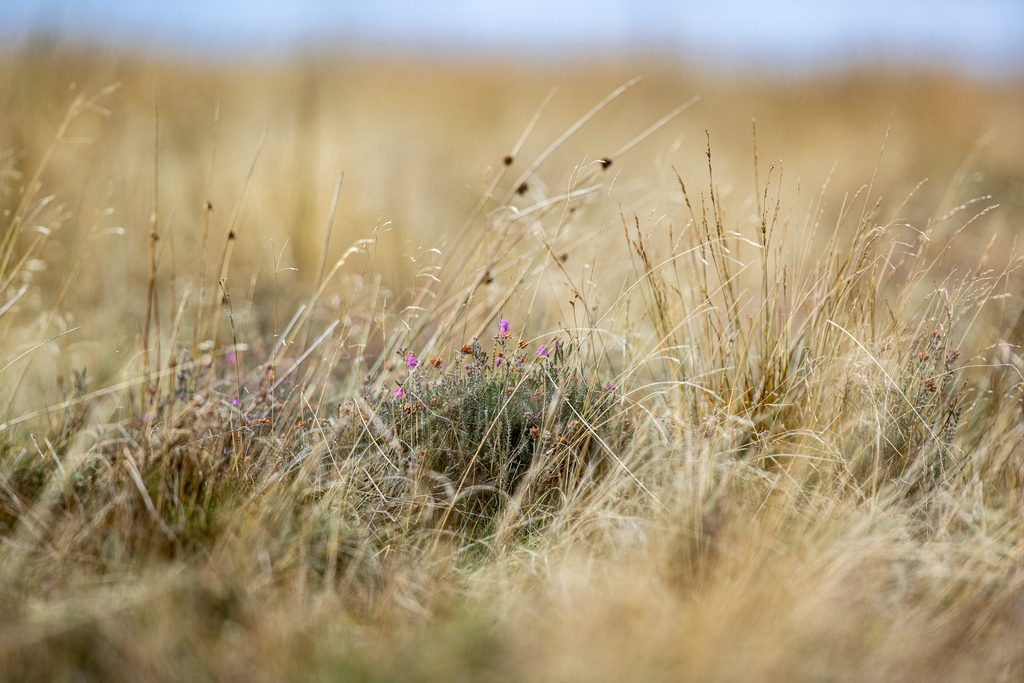
Before you is a wide-open space of varying browns, greens and cream, moorland is made up of many different plants, often they are dictated by the depth of peat, which is a build up of plant material over thousands of years. Dominant plants are heather, Molinia (white grass), deergrass, rushes and blue berry. You may notice that some of the heather has been burnt or cut, this is carried out by moorland keepers to provide good habitat for red grouse, but it also helps many other creatures by creating edge and differing heights of vegetation. The process is a little like coppicing a wood, it gives the many small plants an opportunity to flower.
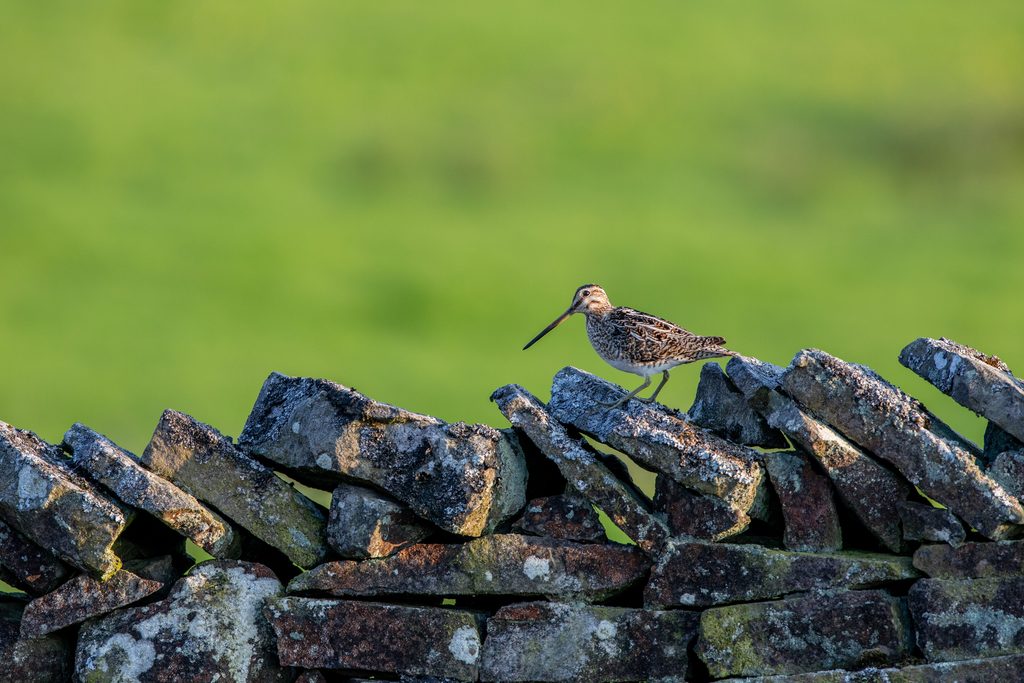
Birds are now staking out their territories, many of the waders return to the same spot year after year. A cock grouse might make you jump as he rises vertically cackling up then dropping down. A weird buzzing noise drifts through the air and you can’t see what is making it, look up very carefully and you will see a small bird, it is a snipe drumming – the noise actually made by feathers on its tail
Its all about the boys trying to impress the girls, the dandies of the edge of the moor, the black grouse are busy huffing, puffing and wheezing. This mating ritual is called lekking, instead of the girls dancing around their handbags it’s the boys, the girls fly into the mêlée and choose a mate.
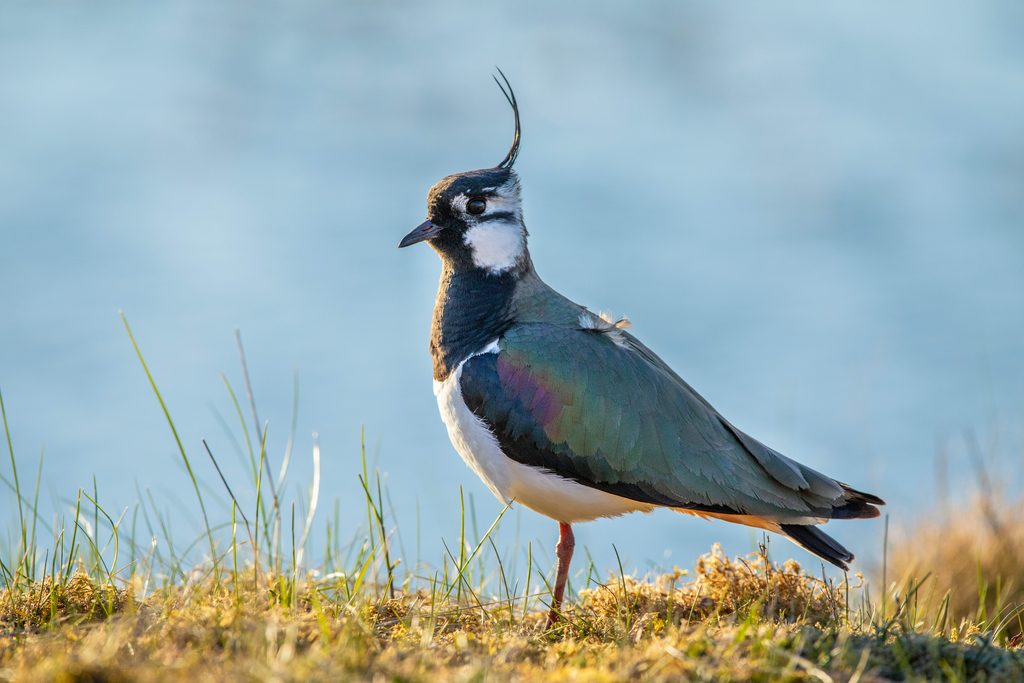
Soon the moors are alive with the sounds of the many groups of birds and their mating displays, the waders the most vocal, the haunting calls of the curlew, a large brown bird with a long-curved beak. The lapwing or green plover, a stunning black and white bird, from a distance, closer, an iridescent dark green, its head topped of with an elegant long crest. As they display, they call out peewit peewit which they are also known as.
Golden plover nest on the higher ground, the black and white oyster catchers are noisy and nest in random places, all the waders need soft ground to probe and suitable nesting conditions as they all nest on the ground, which makes them vulnerable to predation.
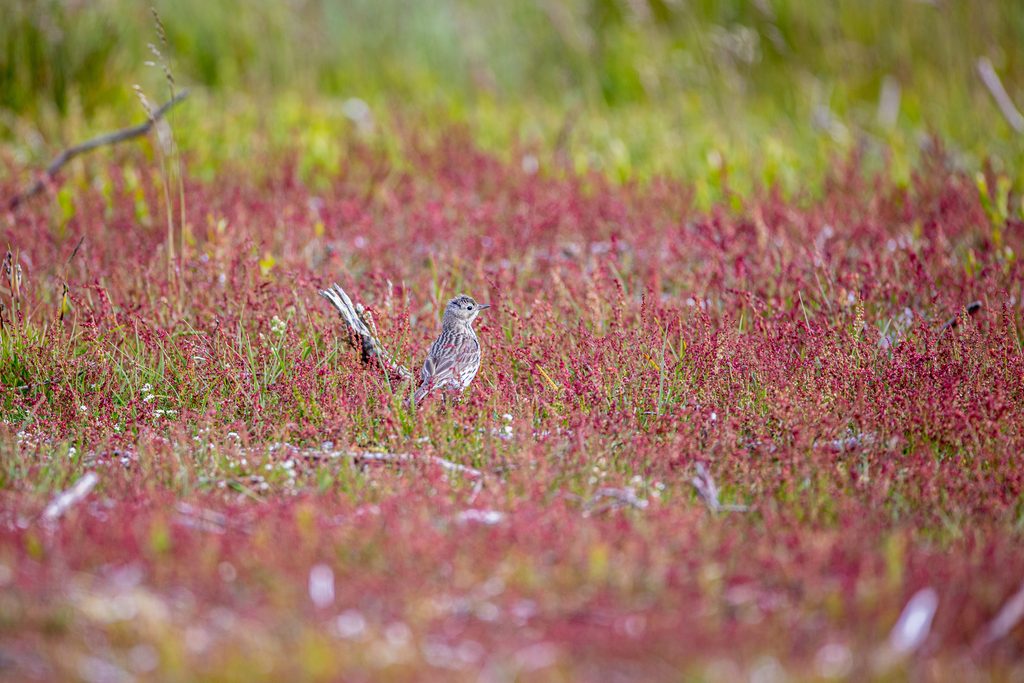
Small birds also migrate to moorland to breed; meadow pipits and skylarks head north, but some come from further afield such as the wheatear, and the cuckoo.
Meadow pipit numbers vary yearly as do field voles and both these creatures are an incredibly important food source along with the accumulation of all the other breeding birds predators will follow. The number of voles and pipits present will dictate the number of raptors that will settle on the moor and their breeding success.
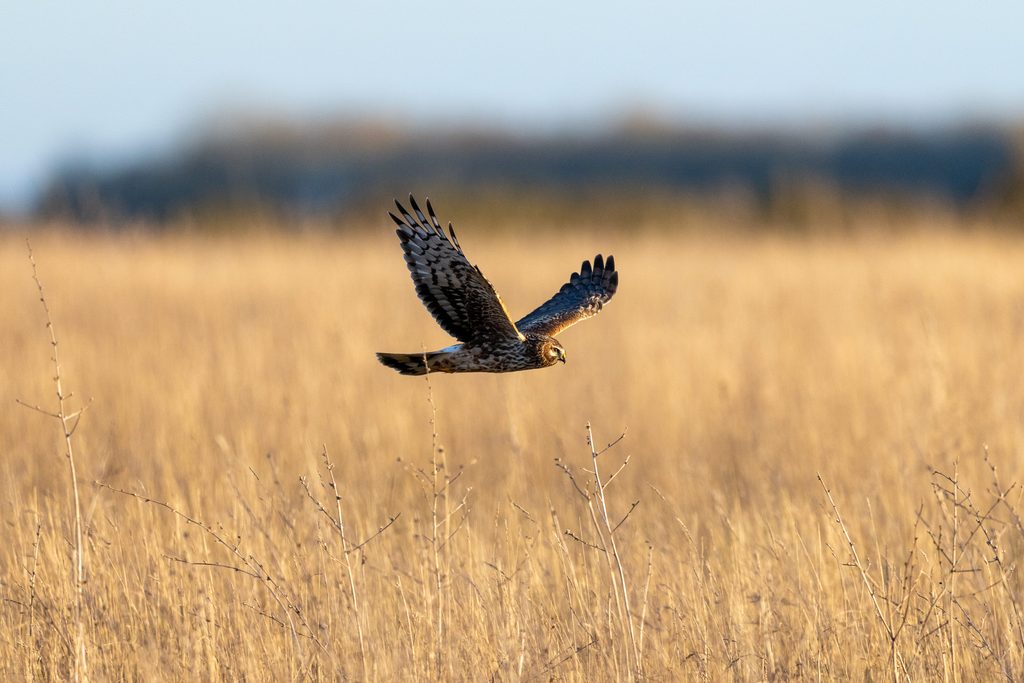
The tiny Merlin, our smallest bird of prey along with the short-eared owl and the Hen Harrier all like to nest in long heather. Both short eared owls and hen harriers have significant mating displays with the short-eared owl’s wing clapping perhaps the most impressive, but the cock hen harriers sky dancing is spectacular. The birds light plumage with black wing tips reflects the light as it tumbles through the air from a great height, this persistent aerial display can be seen from a great distance.
There is a large day flying moth that lives on moorland, the emperor Moth, it is the only silk moth in the UK and spins a brown cocoon that is anchored to a heather stem, the food of its large green caterpillar. Which in turn are food for cuckoos who use pipits as surrogate parents.
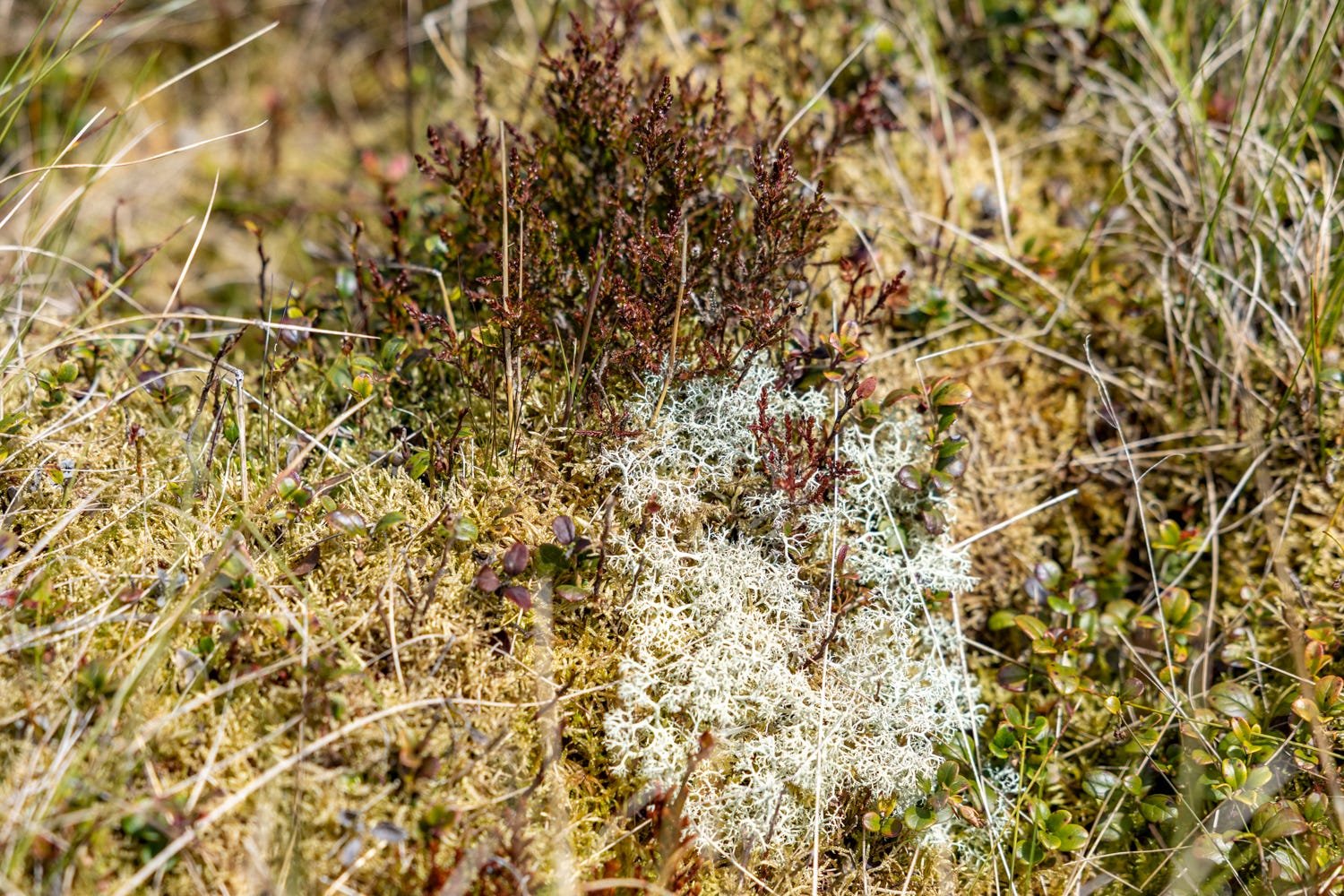
Moorland is like a small rain forest, many plants are small and you have to look for them, one very interesting plant is the sundew, these tiny plants grow on the wetter areas of the moor where the peat is deeper, they are carnivorous plants attracting insects into their sticky leaves. There are many mosses, sphagnum moss comes in many shades, even red, sphagnum moss retains lots of water, star moss and club moss, grasses and rushes all add to the mosaic of the moorland structure.
Reptiles are also present on moorland, the darting common lizard and the adder can be seen basking in the sun, these cold-blooded creatures need to warm up so they can go about their business.
Since many of these animals’ nest on the ground, whether it’s a wader or a hen harrier they are vulnerable to predation and do better where common predators (stoats, weasels, corvids, grey squirrels, foxes, rats etc) are controlled to levels where they can fledge their young. Successful fledging means that the young birds leave their nesting sites, hopefully to return as adults after a perilous journey to adulthood. The only natural predator protection these birds have is sitting still on the nest relying on camouflage, which can end badly, or mass mobbing when all the waders mob the predator, alarming all the other birds. This technique is less effective with small populations. Raptors will also defend their nests bravely.
Land managers such as wardens and gamekeepers will control common predators, within the law. Foxes, stoats and weasels, will take eggs, chicks and adult birds off the nests. Carrion crows and magpies will take eggs and chicks. Some eggs, chicks and adults will be predated by protected species, but reducing predation from common predators hopefully will provide a surplus of chicks and successful fledging.
Most of these birds are red listed and in decline, once common and breeding throughout the UK, the only places they are fledging sustainable amounts of chicks is managed moorlands.
Written but Simon Lester
Subscribe Today
Join us on our Substack journey to educate, share and explore the countryside, its communities, wildlife and heritage.