
Each spring, the British countryside becomes a nursery for some of our most vulnerable bird species. Many birds in the UK build their nests in trees or hedgerows, garden nest boxes, old buildings and even in the eves of your homes. But many of our red listed species do it differently, they are known as ground nesters. They dig scrapes, scavenge straw or grasses and even sometimes utilise a rabbit burrow to make their nest in.
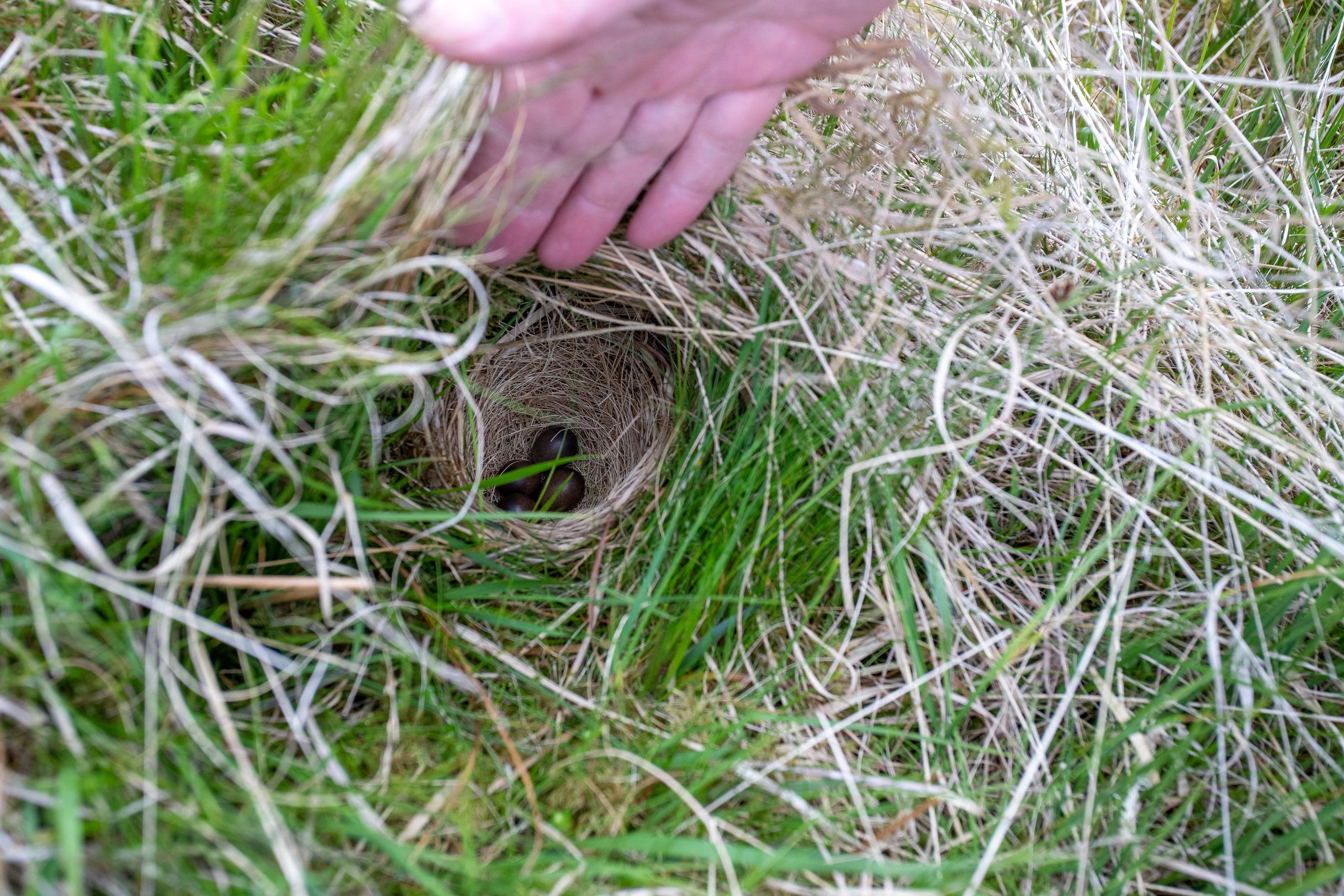
A meadow pipit nest – Found and photographed by a BTO licensed bird ringer.
Unlike tree-nesting birds, ground-nesting species rely almost entirely on camouflage to protect their eggs. These birds will defend their nests fiercely by dive bombing whoever or whatever is disturbing them but at the end of the day a bird will not risk its own life against a stoat or badger and many nests end up predated. These species don’t just have predators to content with though, unfortunately we are a big problem for them too. Humans love a good walk in the countryside with their dogs and this disturbance can jeopardise many nests.
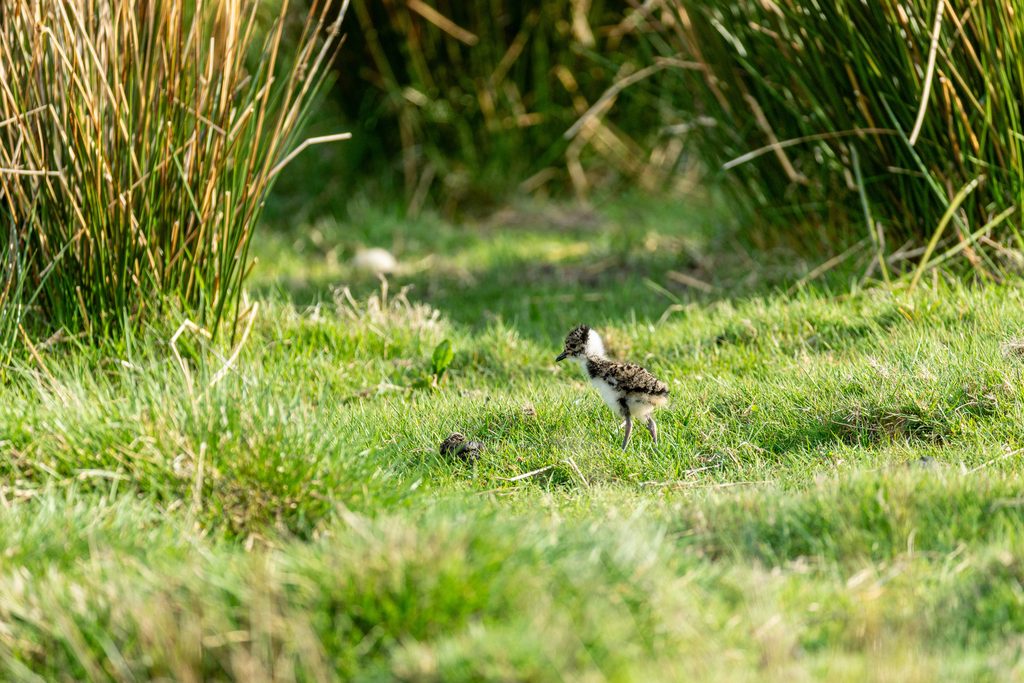
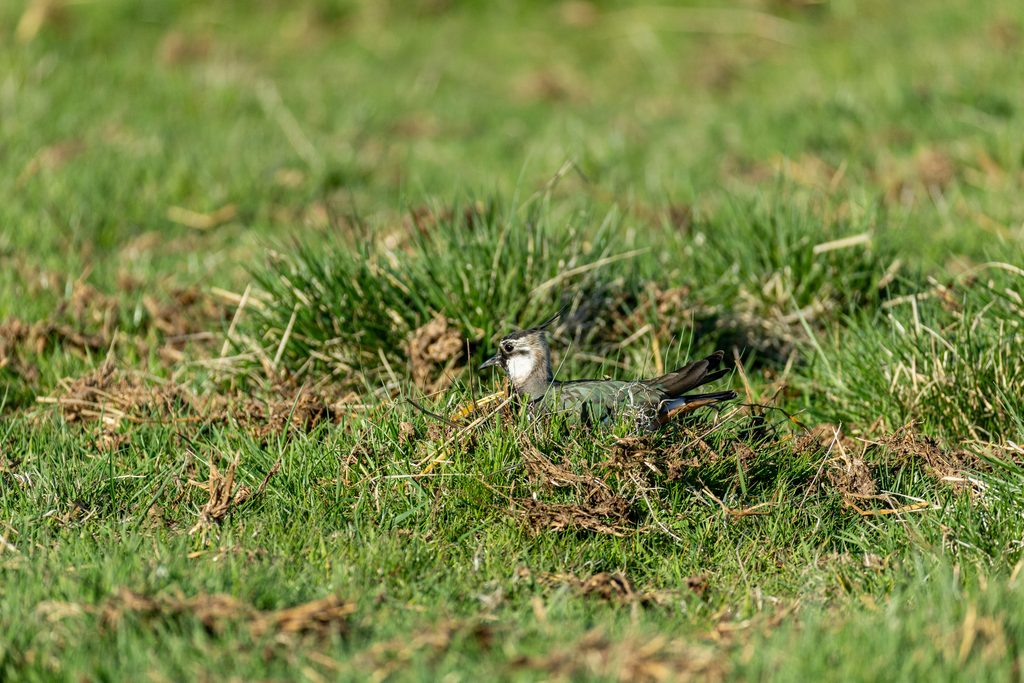
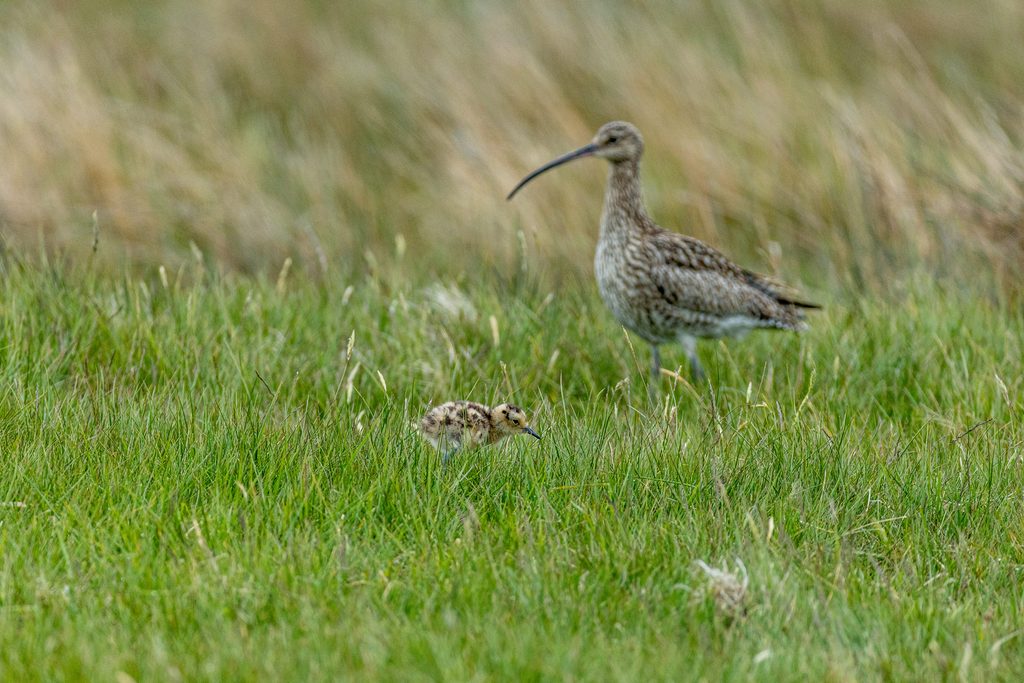
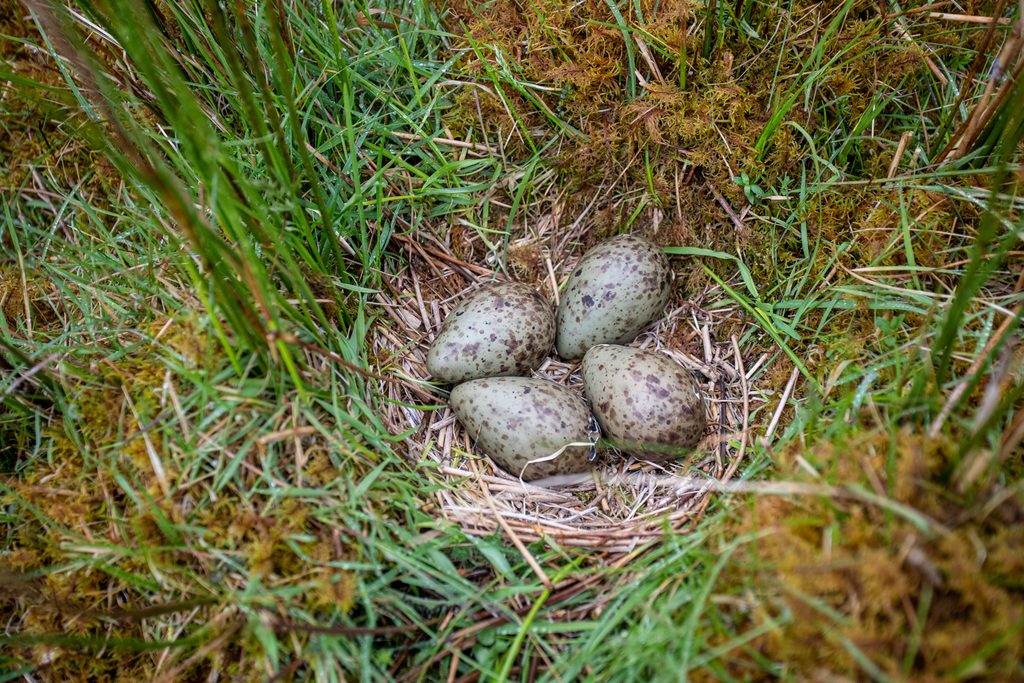
So what should you look out for if you are out walking on the moors or in the fields? Listen, birds will let you know if you are near their nests or their young, adults will shout and screech, they will often shoot into the air and either circle you whilst shouting or even dive bomb you to get you away. If a bird is feeling really threatened they can even pretend they have a broken wing and walk you away from their young. If this does happen simply move away quietly.
Many people believe they would see a nest when walking and be able to avoid it but these nests can even be challenging for some of the countries top nest finders to spot. It is important to remember these birds have one shot at producing the next generation each year and once the nest is gone, its over for the year. Some birds can produce a second brood but that is determined by weather, food supply, the condition of the bird and many more factors.
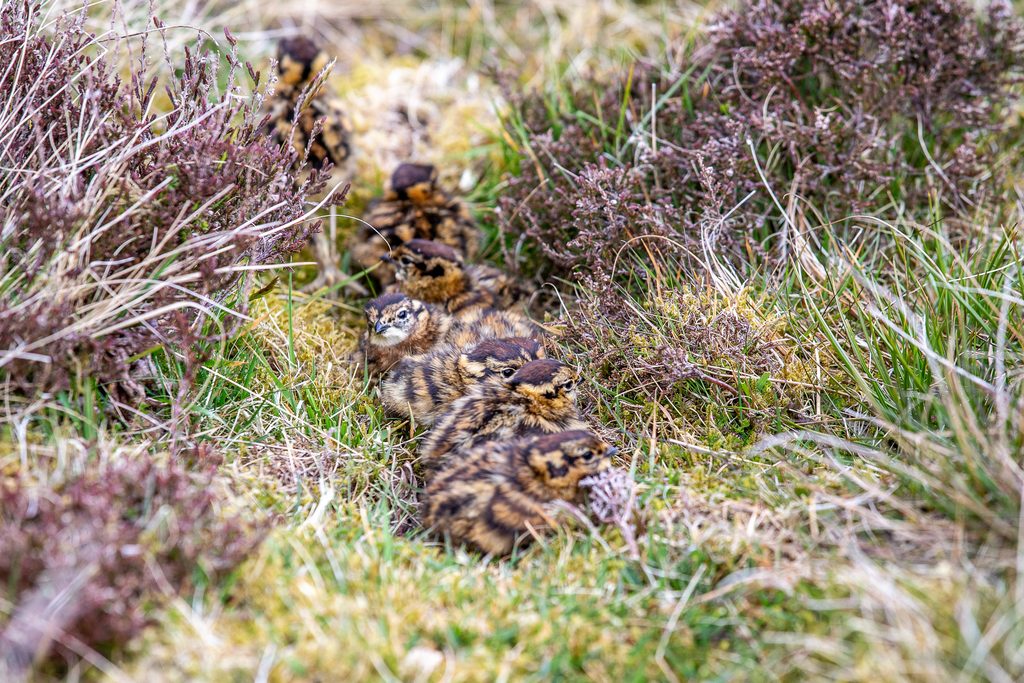
Possibly the most important thing for any dog lover to do is simply keep your dog on a short lead. Studies show off-lead dogs cause 40% of wildlife disturbances in some areas according to the Wildlife Trusts. You have to remember a dog’s noise is much better than yours and they can often sniff out nests, trample them, eat the eggs or chase the parent birds resulting in that nest being abandoned.
If you are lucky enough to spot a ground nest, the best action is simple: step away carefully. Often as soon as you move away the parent will go back to incubating eggs or call in their chicks to resume their search for food.
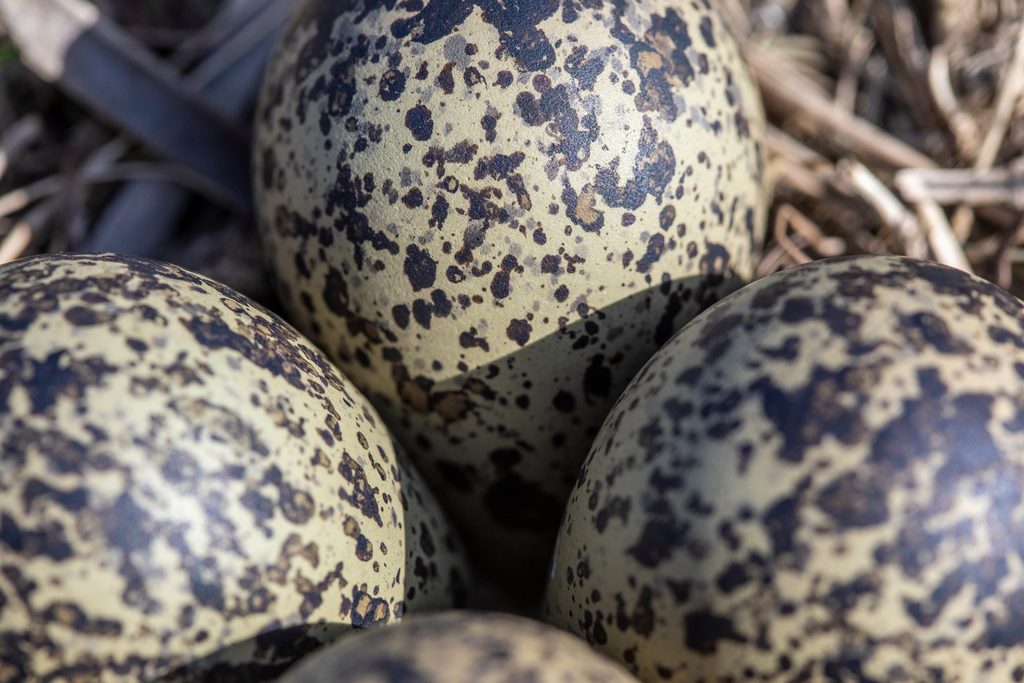
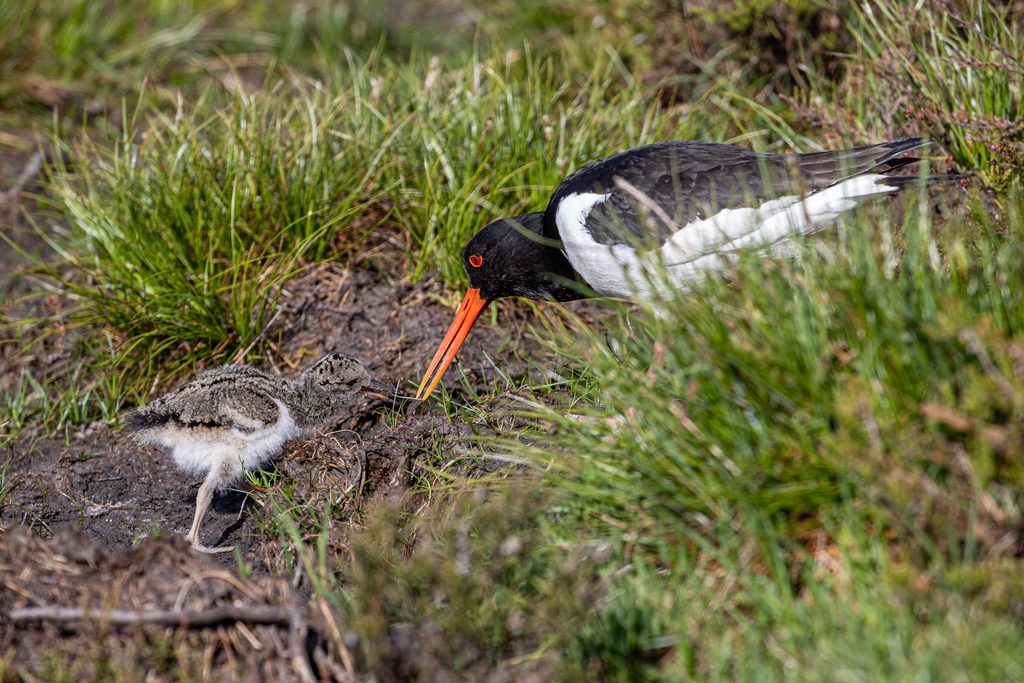
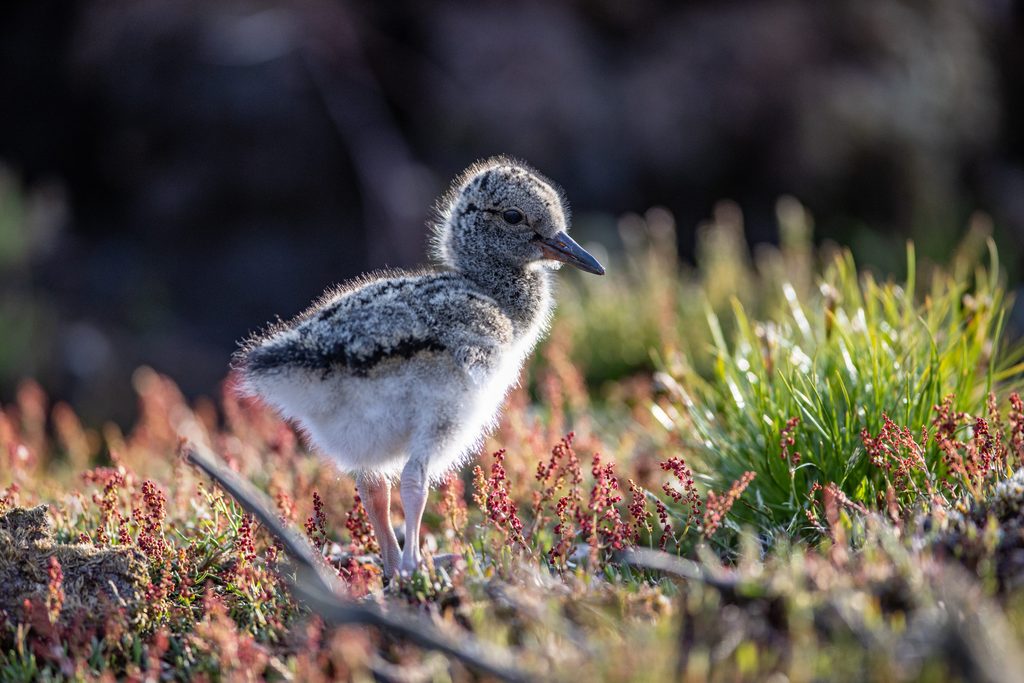
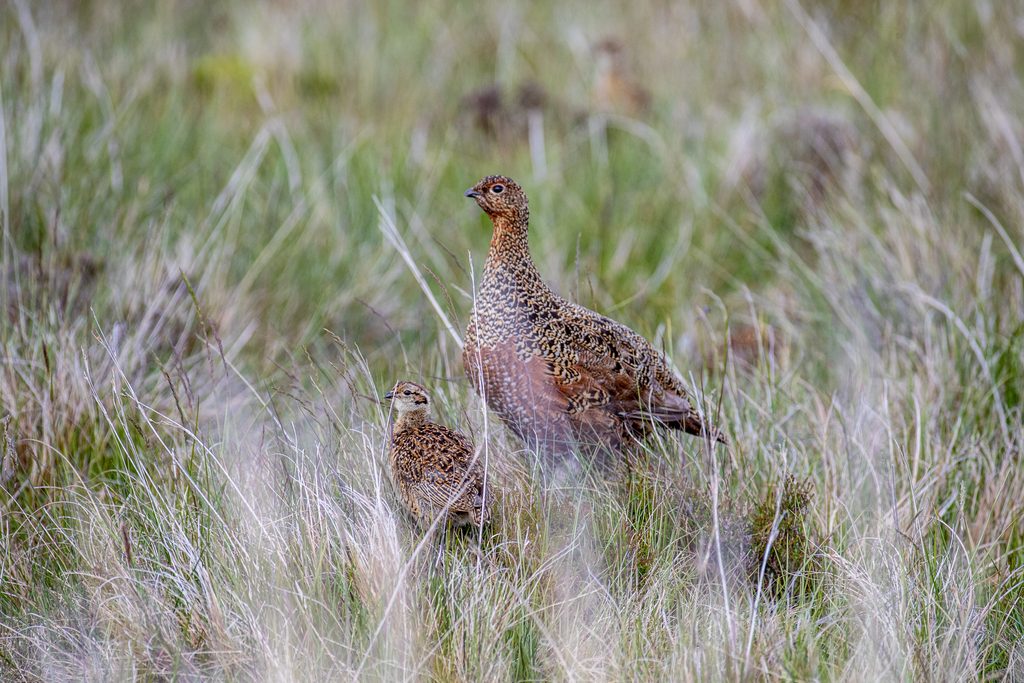
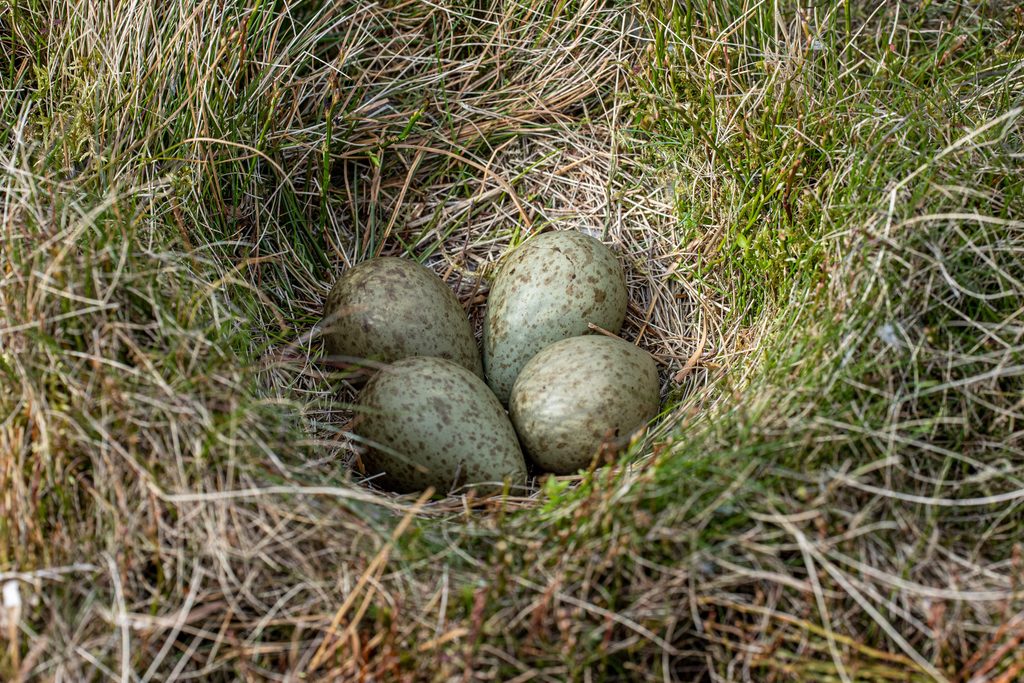
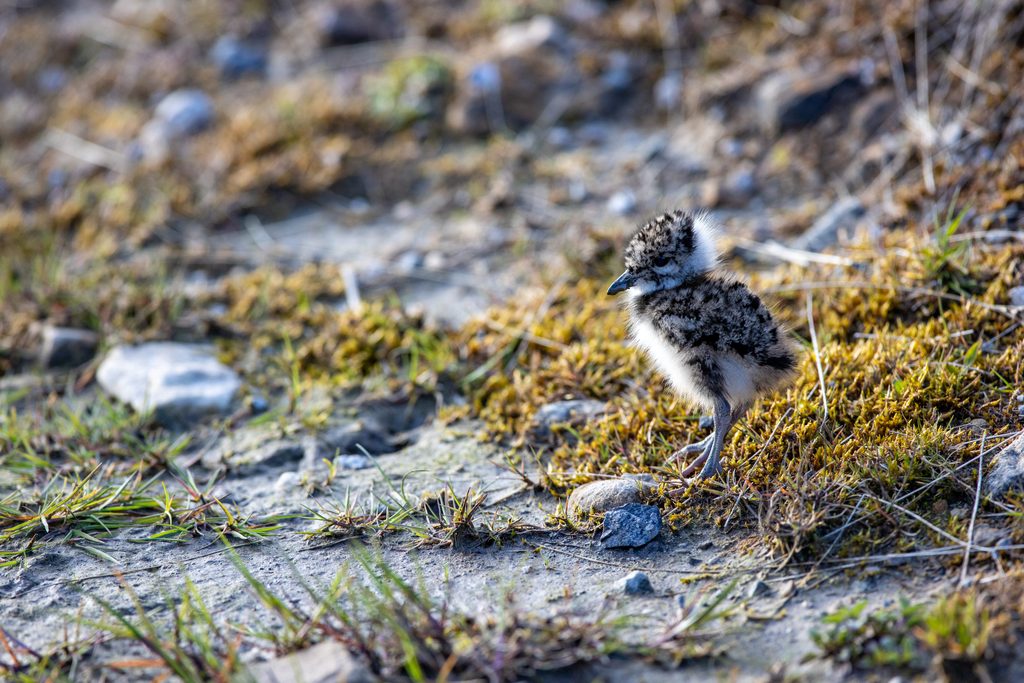
With a little knowledge, every walker can become a guardian of the ground beneath their feet… we can all make small changes to our lives throughout nesting season to benefit these birds, be more vigilant, stick to footpaths and keep dogs under control. Once you start to think about things you will notice more wildlife, maybe even witness a nest or some chicks and I can guarantee, once you start down that road, you will become a custodian of the countryside!!
Written and photographed by Emily Graham
Subscribe Today
Join us on our Substack journey to educate, share and explore the countryside, its communities, wildlife and heritage.