
Driving through the uplands you will more than likely encounter the hill sheep, a hard-faced ewe built for altitude with the attitude to match. They don’t look like the standard fluffy sheep of story books. Their tough and hardy demeanour has them balancing on rocky ground and scaling scree slopes that would make a mountain goat think twice.
Upland grazing has been part of British farming for hundreds of years, sheep and cattle have used these hills and moors long before modern farming existed. Hill sheep don’t just live and graze in the uplands, they have helped to shape them over centuries.
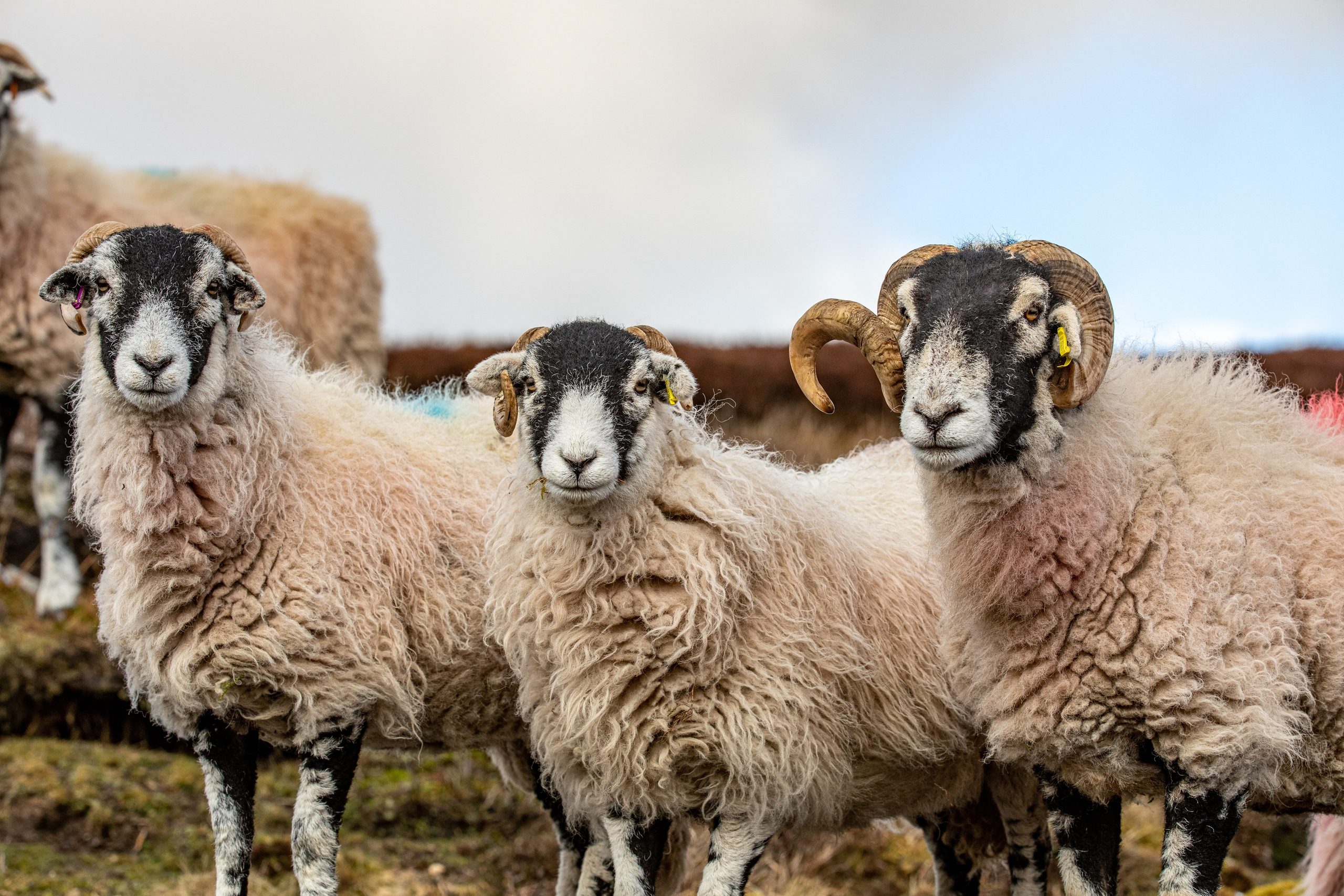
The way they graze the hills creates open habitats and prevents scrub from taking over, both of which are benefits for the upland wildlife that depends on these landscapes. Red-listed bird species such as Curlew, Lapwing and Skylarks love and depend on the mosaic habitats of short grass, heather and rough pasture that this grazing creates and maintains.
In a relationship built over centuries: the land shapes the sheep, and the sheep shape the land.
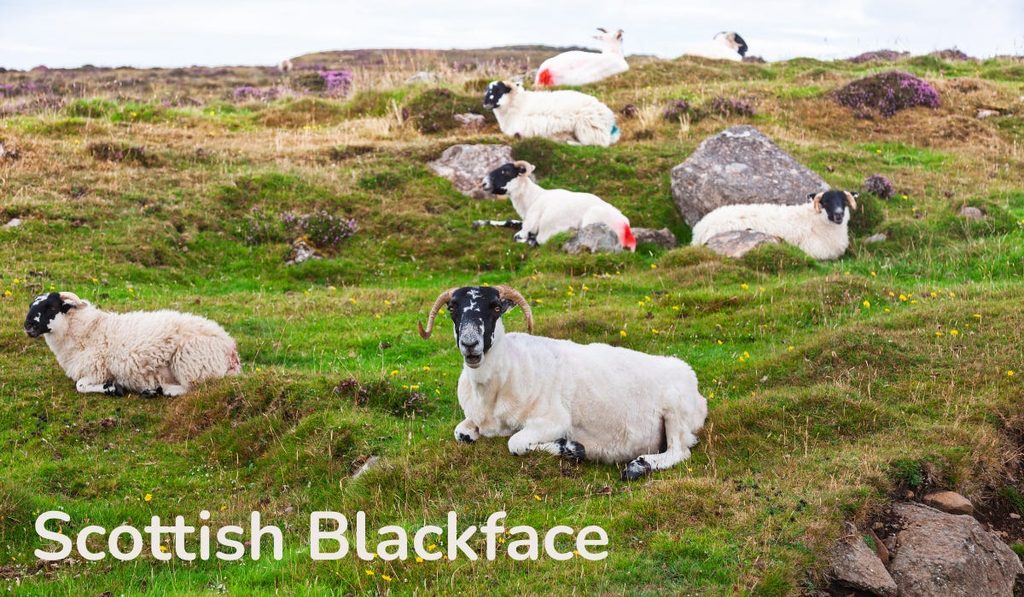
Hill sheep such as the Swaledale and Scottish Blackface are the endurance athletes of the farming world, they are built to withstand harsh conditions. Their thick, dense fleeces are as good as any top class outdoor survival gear. The fleece on a Herdwick lamb for example is pretty much like a duvet. Bad weather becomes a minor inconvenience to these breeds.
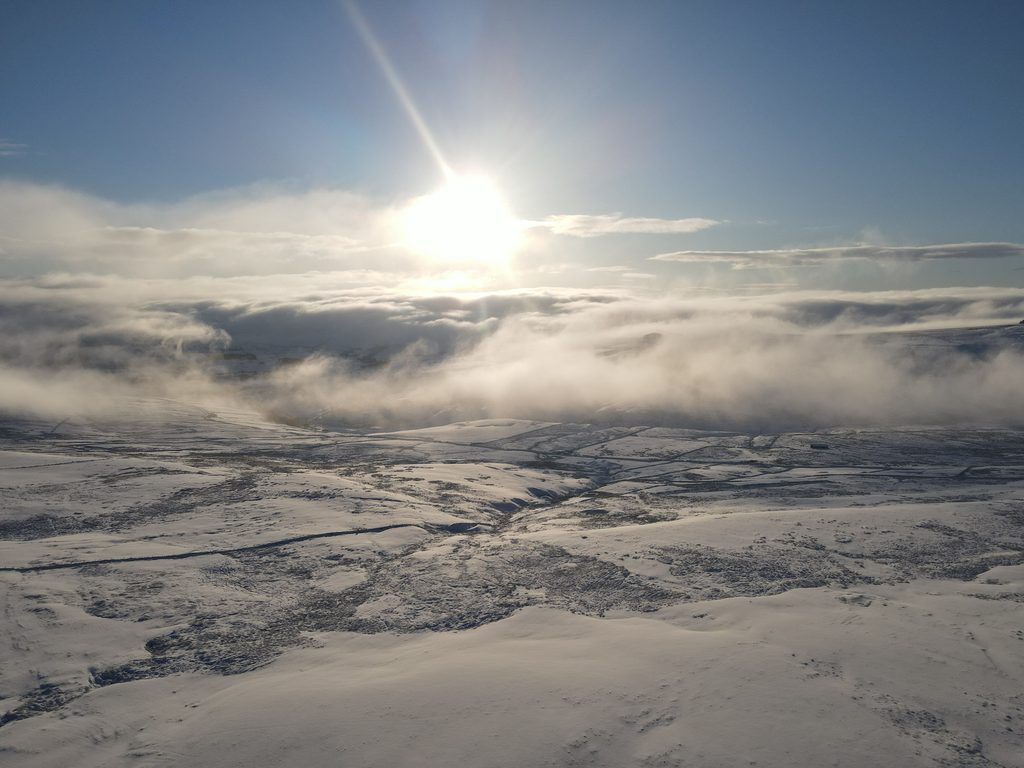
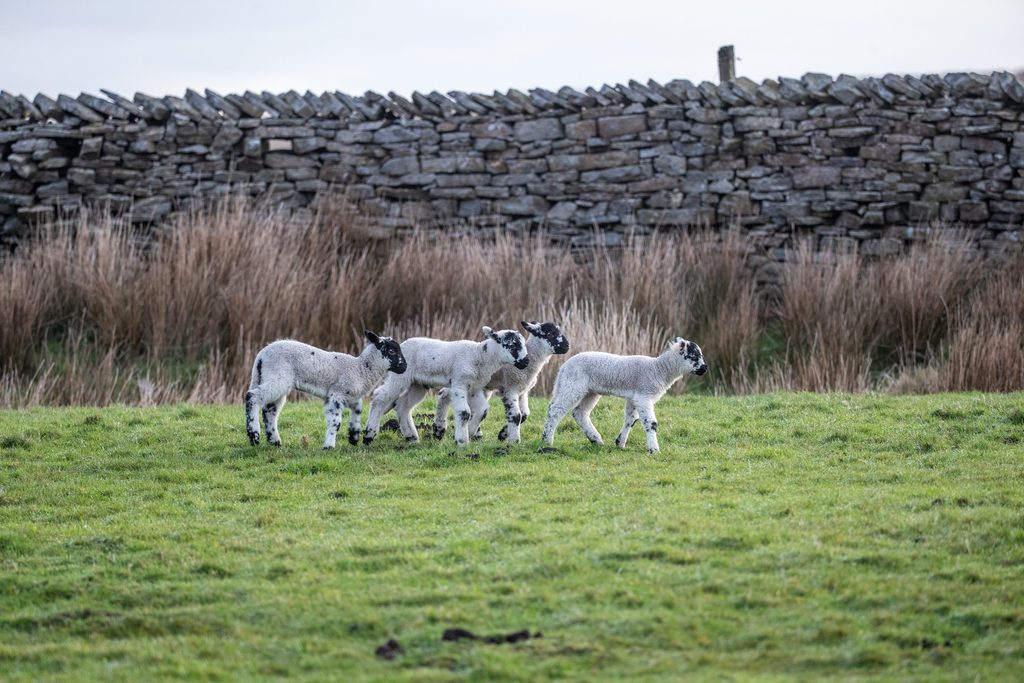
As beautiful as our upland landscapes are, they’re not exactly generous. Grass can be sparse, soil quality is poor and the weather conditions extremely changeable. It takes a special kind of animal to cope with this. Our hill sheep have been shaped by centuries of living on this ground, digesting this tough vegetation and making this ground their home turf. Their home turf becomes their “heft”. Once lambs grow a bit bigger they will return to their hills with their mothers, the ewes, and will learn where their patch of fell is, almost like they have inbuilt GPS, no fences needed.
Hill breeds have developed a set of skills that would make any hill walker jealous. Their sure-footedness has them trotting over boulders like it’s a green lawn. Extremely strong mothering instincts mean that the ewes are fiercely protective of their lambs and will keep them safe in tough conditions. Their stamina has them walking miles every day, mainly uphill, and they can live off vegetation that most other breeds would turn their muzzles up at! All of these adaptations mean that they don’t just survive but thrive in the uplands.
Each hill breed has it’s own personality and farmers will defend their favourite with the same passion that some reserve for their football team.
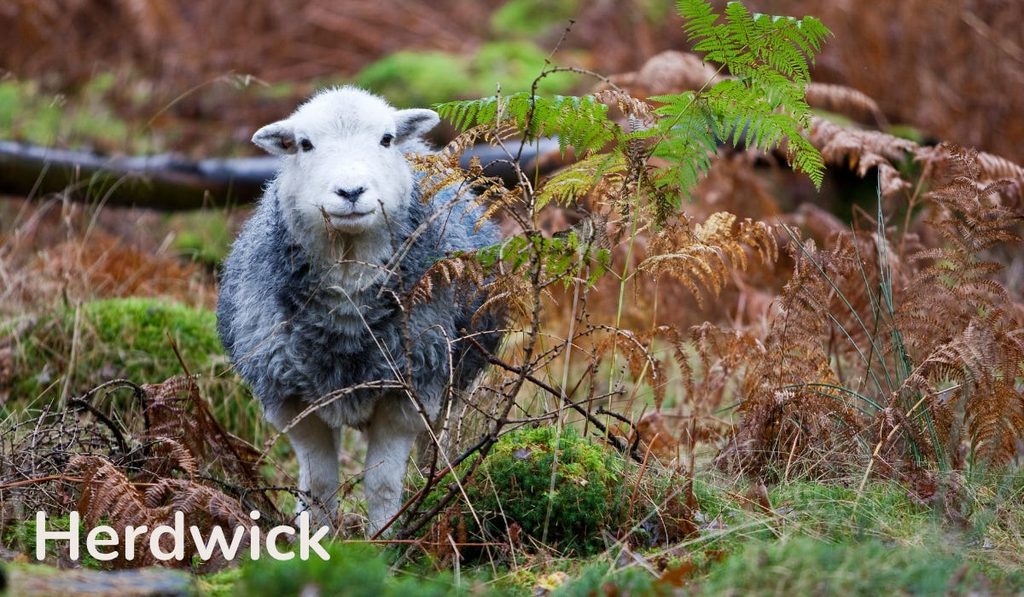
Herdwicks are a breed commonly found in the Lake District, they are stubborn and fantastic at escaping, pretty much the teenagers of the sheep world, they definitely know best!
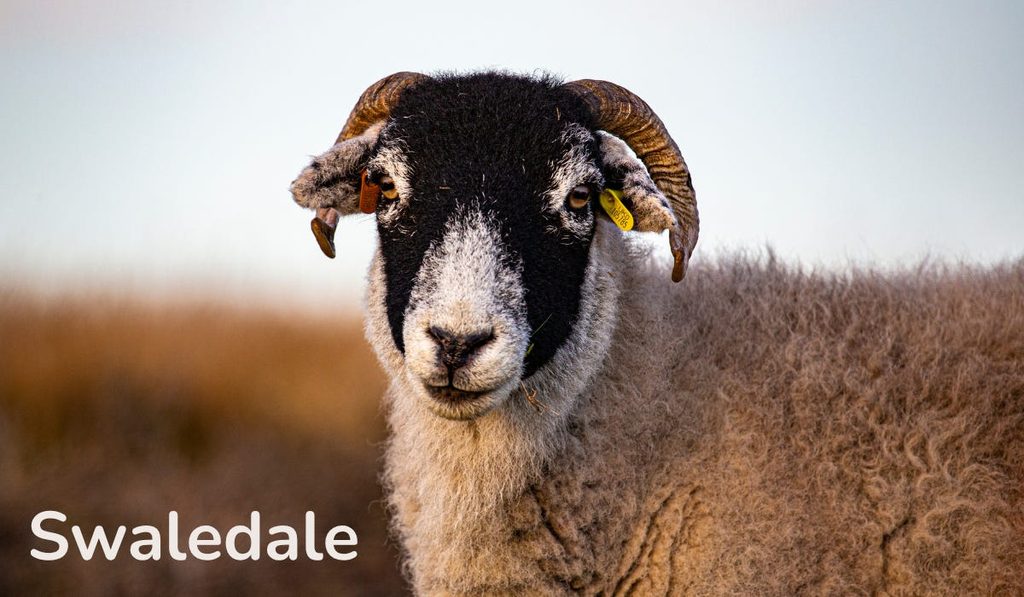
Swaledales (my favourite) are the steady and dependable all rounders, brilliant mothers and generally quite friendly.
The Scottish Blackface is a striking looking sheep, extremely tough and great at disappearing over to the next door neighbours fell, or anywhere else it shouldn’t be.
Hill sheep breeds quietly form the starting point of the UK sheep industry. They form a foundation from which their female lambs and some older hill sheep will move to farms lower down the valleys to gentler conditions, where they will be crossed with tups (male sheep), usually something like the Blue Faced Leicester, to produce the familiar Mule ewe, a strong, milky, good‑natured mother. From this the next generation goes to lowland farms, where they tend to be mated with breeds such as Texel and Suffolk to produce a lamb that can be sold for meat in shops. It’s a chain that starts in the hills and works its way down through the landscape, each step building on the strengths of the one above it.
These breeds are not interchangeable, you couldn’t replace a hill sheep with a lowland breed and expect it to do the same job. In a world where food, climate change and land use are so relevant, hill sheep can often be misunderstood. They are not generic livestock, they form part of and help to shape a cultural landscape. They form a link between tradition, people and places. They can achieve all this while standing on a rock ledge at 2000 ft above sea level, chewing calmly, in weather that would have most of us running for the nearest shelter.
Over centuries, farmers have selected these sheep for their special genetic traits that allow them to thrive on their own stretch of hill. This stretch of hill, as well as providing habitats, supports rural economies and communities and helps keep alive skills that have been passed down through generations.
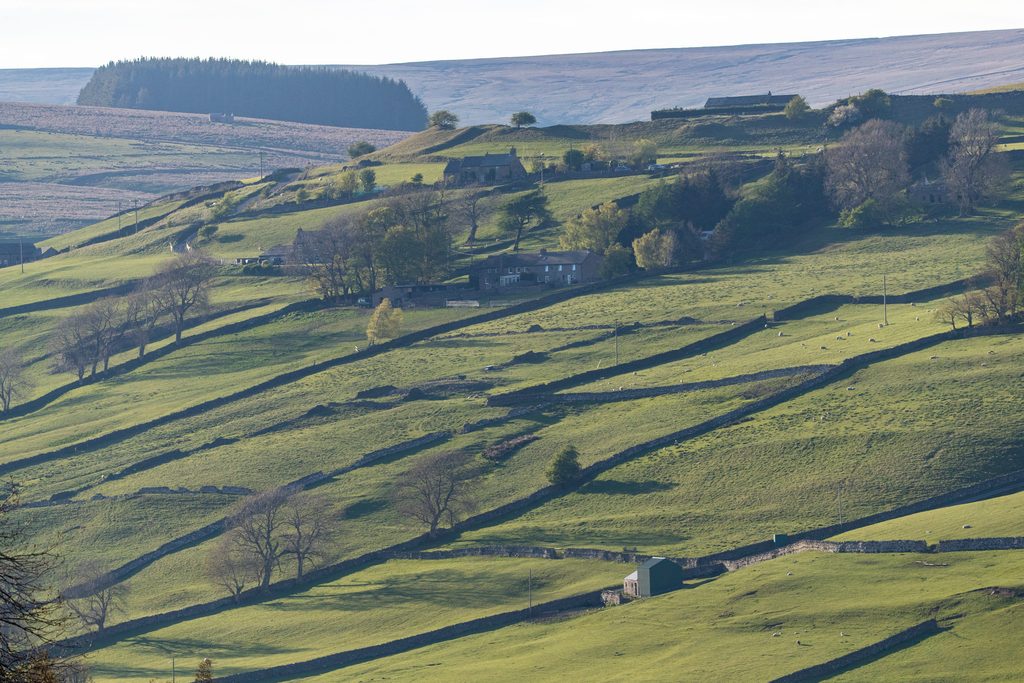
So next time you’re driving through the uplands and you see these little sheep dotting the landscape, don’t think of them as just a sheep. Think of them as landscape managers, survival experts, mountaineers and keepers of tradition. A creature perfectly adapted to thrive in one of the harshest environments in the UK.
Hill sheep aren’t in the uplands by accident.
They’re there because they belong, and because no other animal could do the job quite like they do.
Written by Caroline Raine – Upland farmer
Subscribe Today
Join us on our Substack journey to educate, share and explore the countryside, its communities, wildlife and heritage.